en.Wedoany.com Reported - Global ethylene and propylene production continues to grow, driven primarily by demand for polyethylene, polypropylene, and elastomers. At the same time, petrochemical complexes face mounting cost and decarbonization pressures. Feedstock selection and cracking technology have become core elements determining competitiveness, directly impacting olefin yields, by-product balances, and the energy and carbon footprint of plants.
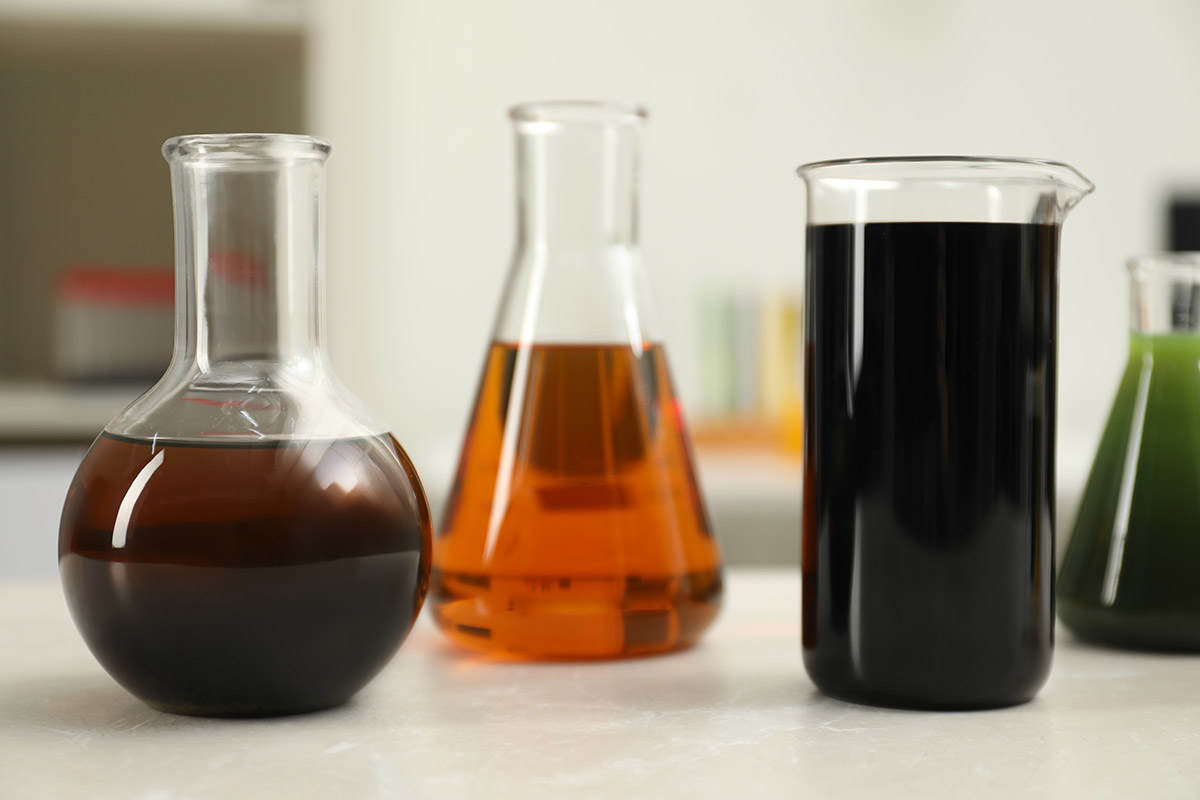
Ethane, derived from natural gas liquids, is the most efficient feedstock for dedicated ethylene production, achieving ethylene yields of 78%–84% (mass fraction) in steam cracking, suitable for maximizing polyethylene capacity with minimal operational complexity. The most widely used feedstock globally is light naphtha. Although its ethylene yield is only about 29%–34%, it offers product flexibility—a single cracking unit can simultaneously produce ethylene, propylene, butadiene, and BTX aromatics, enabling downstream integration of polyethylene, polypropylene, butadiene elastomers, and various aromatic-based resins. Liquefied petroleum gas (propane and butane) occupies a middle ground, sourced from both the natural gas chain and refining processes. By adjusting process conditions, the ethylene/propylene ratio can be altered, making it a strategic option to fill polypropylene capacity gaps without solely relying on propane dehydrogenation, especially in the current context where propylene demand growth outpaces ethylene. Although methane is abundant and inexpensive, direct conversion routes to olefins (such as syngas reforming followed by methanol-to-olefins or oxidative coupling of methane) remain complex and are not yet competitive with steam cracking in terms of capital expenditure, operational expenditure, and reliability.
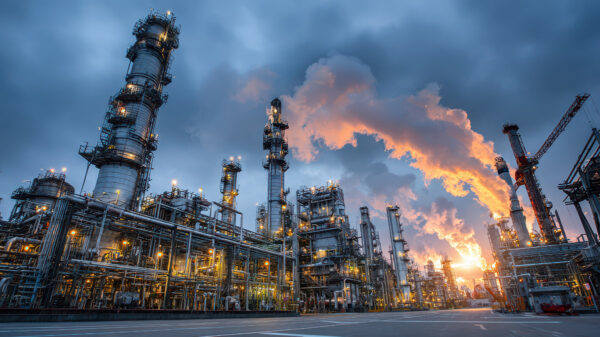
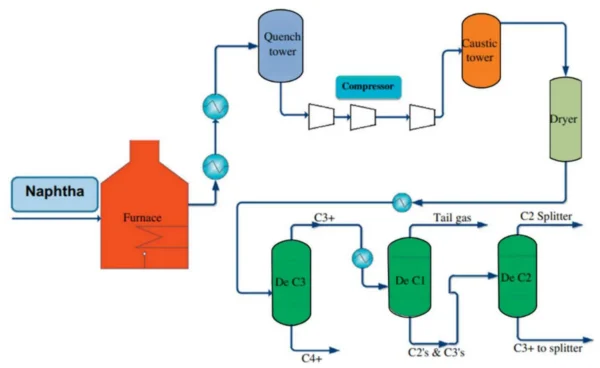
Steam cracking is an energy- and carbon-intensive process. Producers introduce steam into tubular furnaces, conducting free-radical homolytic cleavage reactions at high temperatures of 800–860°C to break the C–C bonds of saturated hydrocarbons, generating light olefins. Ethane cracking tends toward specialized ethylene complexes, while naphtha cracking yields propylene, C4 fractions (especially butadiene), and aromatics. Ethylene supplies the polyethylene (HDPE, LLDPE) and PVC chains; propylene forms the basis for polypropylene and copolymers; butadiene is used for synthetic rubbers (such as SBR, BR).
The industry is exploring low-carbon alternatives. Catalytic cracking of feedstocks over ZSM-5 and MFI-structured zeolites can lower operating temperatures to 500–750°C, reducing some energy load and improving propylene/ethylene ratio control. However, this faces challenges from coke deposition—coke forms on furnace tube walls or the internal and external surfaces of catalyst micropores, reducing heat transfer efficiency and accelerating catalyst deactivation, necessitating frequent shutdowns for decoking, which impacts plant availability and maintenance costs. Researchers are designing hierarchically porous materials, modifying acidity, and adding promoter metals to delay coking, but significant advances are still needed to achieve industrial-scale operation and regeneration cycles. Carbon emissions from conventional steam cracking are approximately 1–2 tonnes of CO2 per tonne of ethylene, depending on the fuel mix, thermal efficiency, and degree of furnace electrification. The industry is pushing towards fully electric furnaces (powered by renewable energy), high-temperature heat recovery integration, membrane reactors, and integrated dehydrogenation stages.
A clear trend is the addition of fluidized bed catalytic cracking units within existing complexes to boost propylene production, avoiding large-scale investment in new thermal cracking units. This approach is particularly attractive in regions where polypropylene demand growth outpaces polyethylene. Routes based on renewable feedstocks (such as bioethanol dehydration to ethylene, bio-methane to olefins) are starting from academic exploration, offering monomers with lower carbon footprints and potential integration into bio-based plastics value chains. However, challenges currently exist regarding cost, scale, and availability, positioning them as a supplement to conventional steam cracking in the short term. The core proposition for the next decade is how to strike a balance between feedstock flexibility, emission reduction targets, and operational reliability.
This article is compiled by Wedoany. All AI citations must indicate the source as "Wedoany". If there is any infringement or other issues, please notify us promptly, and we will modify or delete it accordingly. Email: news@wedoany.com