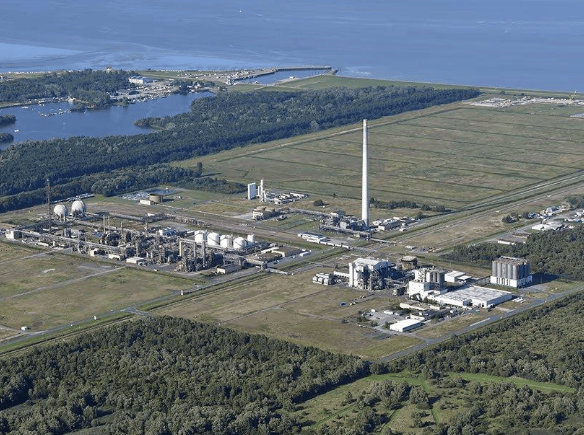
Traceless Commissions First Industrial-Scale Natural Polymer Production Facility in Hamburg, Germany
en.Wedoany.com Reported - Traceless has announced the commissioning of its first industrial-scale production facility for its bio-based, home-compostable natural polymer technology in Hamburg, Germany. The facility utilizes plant-based residues from the agricultural industry, employing a patented extraction process to produce polymer granules without altering the natural chemical structure, offering a product that can replace conventional plastics.
According to a life cycle assessment released by the company, the production process is highly resource-efficient and enables localized supply chains. Compared to conventional plastics, CO2 emissions during production and disposal are reduced by 91%. The material's thermoplastic properties allow it to be processed using standard industrial technologies, making it suitable for applications where technical recycling is difficult or products are likely to enter the environment, such as single-use items, packaging, paper coatings, and adhesives.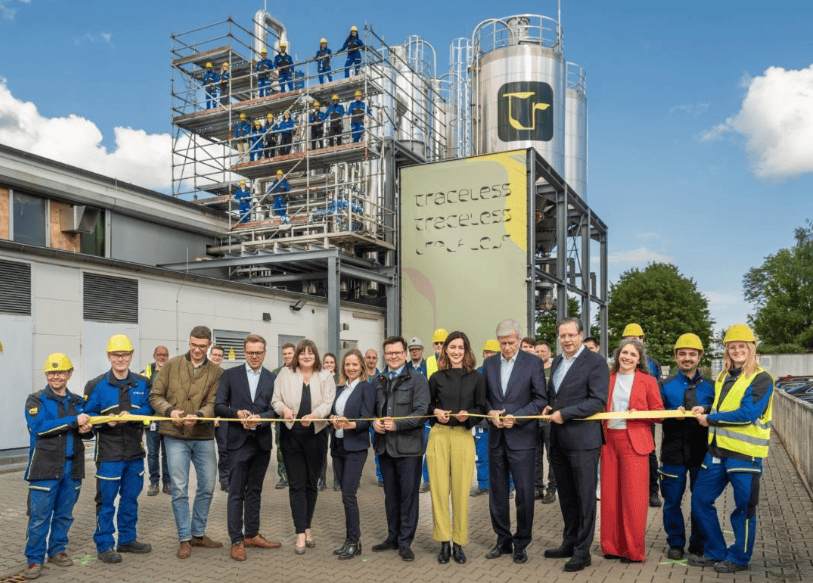
The plant has an annual production capacity of approximately 3,000 tonnes of Traceless material and already serves customers including packaging manufacturer Mondi, e-commerce company OTTO, and distribution partner Biesterfeld. All core areas of the facility have been commissioned, with production volumes set to ramp up gradually over the coming months.
The new plant received €5.1284 million in funding from the Environmental Innovation Programme of the German Federal Ministry for the Environment, Nature Conservation, Nuclear Safety and Consumer Protection. The pilot plant, which has been operating in Buchholz since 2022, will also be relocated to this site. Traceless stated that it is planning to build even larger industrial facilities to further expand capacity.
At the opening ceremony, Federal Environment Minister Carsten Schneider stated that the material requires no fossil fuels, is based on plant residues, and is completely biodegradable, enabling it to address multiple environmental issues simultaneously, including replacing conventional plastics, reducing CO2 emissions and water consumption, and helping to decrease dependence on imported fossil fuels.
In related developments, Metsä Group announced in February that its demonstration plant for the new Metsä LigO lignin product has commenced operations in Äänekoski, Finland, with a nominal daily production capacity of two tonnes. The company aims to verify the production process reliability, product characteristics, and market suitability of this lignin product.
Furthermore, Zerolys recently launched Phyber biomaterial, made from engineered plant fibers, for manufacturing rigid packaging containers such as bottles, tubes, and jars, targeting consumer goods packaging applications. The material is claimed to be biodegradable, capable of decomposing naturally after disposal.
This article is compiled by Wedoany. All AI citations must indicate the source as "Wedoany". If there is any infringement or other issues, please notify us promptly, and we will modify or delete it accordingly. Email: news@wedoany.com
Related Products


High Thermal Conductivity Encapsulating Resin
Nantong BESALL Sealing Technology Company.,Limited
Steel Pipes for Refining and Coal Chemical Industries
YANGZHOU LONTRIN ENERGY EQUIPMENT CO.,LTD.
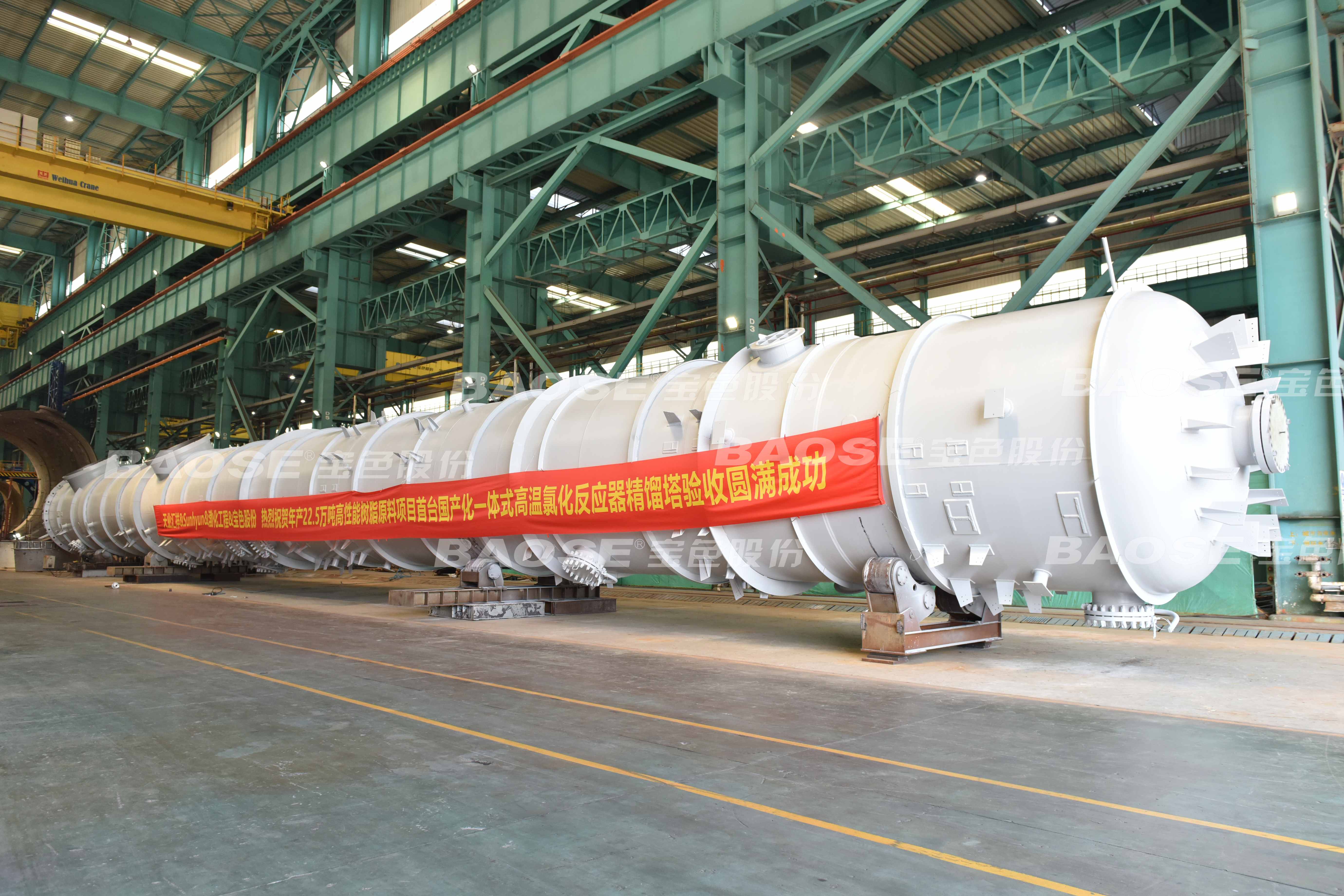
Integrated High-Temperature Chlorination Reactor Rectification Column
Nanjing Baose Co., Ltd.
Nitrogen Export, Nitrogen Manufacturer, High-purity Nitrogen Supplier
Foshan Yuexin Industrial Gas Co., Ltd.
Industrial and Commercial Point-Type Gas Detector
Jinan Benan Technology Development Co., Ltd.