PepsiCo Signs Three Low-Carbon Ammonia Fertilizer Agreements, Covering North American, European, and Global Supply Chains
en.Wedoany.com Reported - Global food and beverage company PepsiCo officially announced on May 5, 2026, the signing of three separate low-carbon ammonia fertilizer agreements, partnering with agricultural technology company TalusAg, Spanish fertilizer producer Fertiberia, and U.S. nitrogen fertilizer giant CF Industries, covering core agricultural regions globally including North America, Europe, Asia-Pacific, and Sub-Saharan Africa. This marks the first time PepsiCo has systematically decarbonized the fertilizer segment—the most emission-intensive part of its upstream supply chain—through a dual-track approach combining environmental attribute certificates and physical supply, signifying the company's extension of emission reduction efforts from farm operations to the production end of agricultural chemicals.
The collaboration with TalusAg represents PepsiCo's first execution in this type of transaction. According to PepsiCo's official press release, the initial agreement covers teams in Europe, Sub-Saharan Africa, Asia-Pacific, and globally, involving approximately 30,000 tonnes of low-carbon ammonia environmental attributes, with an additional purchase option for 41,000 tonnes. The overall collaboration also extends to the U.S. market and TalusAg's proposed project in Blue Earth, Minnesota. This agreement utilizes a "registry and tracking" model, with S3 Markets providing the infrastructure for full lifecycle management of environmental attribute certificates. The low-carbon ammonia environmental benefits generated by TalusAg's Boone, Iowa project are independently tracked and retired as tokenized certificates, decoupled from the physical flow of fertilizer. PepsiCo Vice President of Sustainable & Regenerative Agriculture, Margaret Henry, stated that the agreement advances fertilizer decarbonization while providing growers with a more stable input cost structure and sending a strong demand signal for low-carbon ammonia. TalusAg CEO Hiro Iwanaga positioned the collaboration as a prime example of "how credit market mechanisms can help build supply chain reliability, lower fertilizer costs for local farmers, and accelerate investment in low-emission fertilizer."
The long-term agreement with Fertiberia directly channels low-carbon fertilizers into the physical supply chain. Fertiberia will progressively supply PepsiCo with up to an annual average of 150,000 tonnes of Impact Zero crop nutrition products by 2030, covering approximately 400,000 acres (about 162,000 hectares) of farmland used to grow crops like potatoes, corn, sunflowers, sugar beets, and rapeseed—key ingredients for core brands such as Lay's, Doritos, Ruffles, and Cheetos. The plan will initially launch in France, Romania, Serbia, Greece, and Turkey, expanding upon existing pilots in Spain and Portugal, with more European countries joining subsequently. Fertiberia's Impact Zero fertilizers use green hydrogen instead of natural gas as feedstock for ammonia synthesis, reducing greenhouse gas emissions by up to 63% compared to conventional processes, and integrate slow-release formulations and bio-inhibitors to enhance agronomic efficiency and reduce nutrient loss. Previous pilot projects completed in Spain and Portugal have already achieved a 20% reduction in emissions for corn cultivation and a 15% reduction for potato cultivation. PepsiCo Chief Sustainability Officer for Europe, the Middle East, and Africa, Archana Jagannathan, defined the switch to low-carbon fertilizers as "one of the strongest levers" for reducing agricultural emissions. Combined with existing supplier agreements, this collaboration is expected to increase the proportion of low-carbon fertilizer use in PepsiCo's European supply chain to approximately 50% by 2030.
For North America, PepsiCo has signed a commercial agreement with CF Industries focused on the U.S. potato supply chain. CF Industries will supply PepsiCo with low-carbon urea ammonium nitrate solution certified under its "Verified Ammonia Carbon Intensity" program, utilizing carbon capture and sequestration as well as nitric acid plant emission reduction technologies. This product uses farmers' existing application methods, enabling emission reductions without changing field operations, with the initial supply directed to potato growers for the Frito-Lay chip brand. PepsiCo North America Chief Sustainability Officer Burgess Davis stated that the collaboration with CF Industries allows the company to deploy certified low-carbon fertilizer into the potato supply chain without impacting farm productivity, reducing emissions while maintaining a smooth operational transition.
Fertilizer production and use currently account for about half of PepsiCo's total carbon footprint for potatoes in Europe, with global fertilizer greenhouse gas emissions representing roughly 2% of the total. These three agreements cover different regions through differentiated pathways: TalusAg addresses near-to-medium term emission reductions across multiple global markets with a distributed production model and certificate mechanism; Fertiberia anchors the long-term substitution in the European supply chain with physical green hydrogen fertilizers; and CF Industries focuses on the core North American crop region with a carbon capture pathway. Combined, PepsiCo is advancing fertilizer decarbonization from isolated pilots to a systematic deployment spanning North American, European, and global supply chains.
This article is compiled by Wedoany. All AI citations must indicate the source as "Wedoany". If there is any infringement or other issues, please notify us promptly, and we will modify or delete it accordingly. Email: news@wedoany.com
Related Products

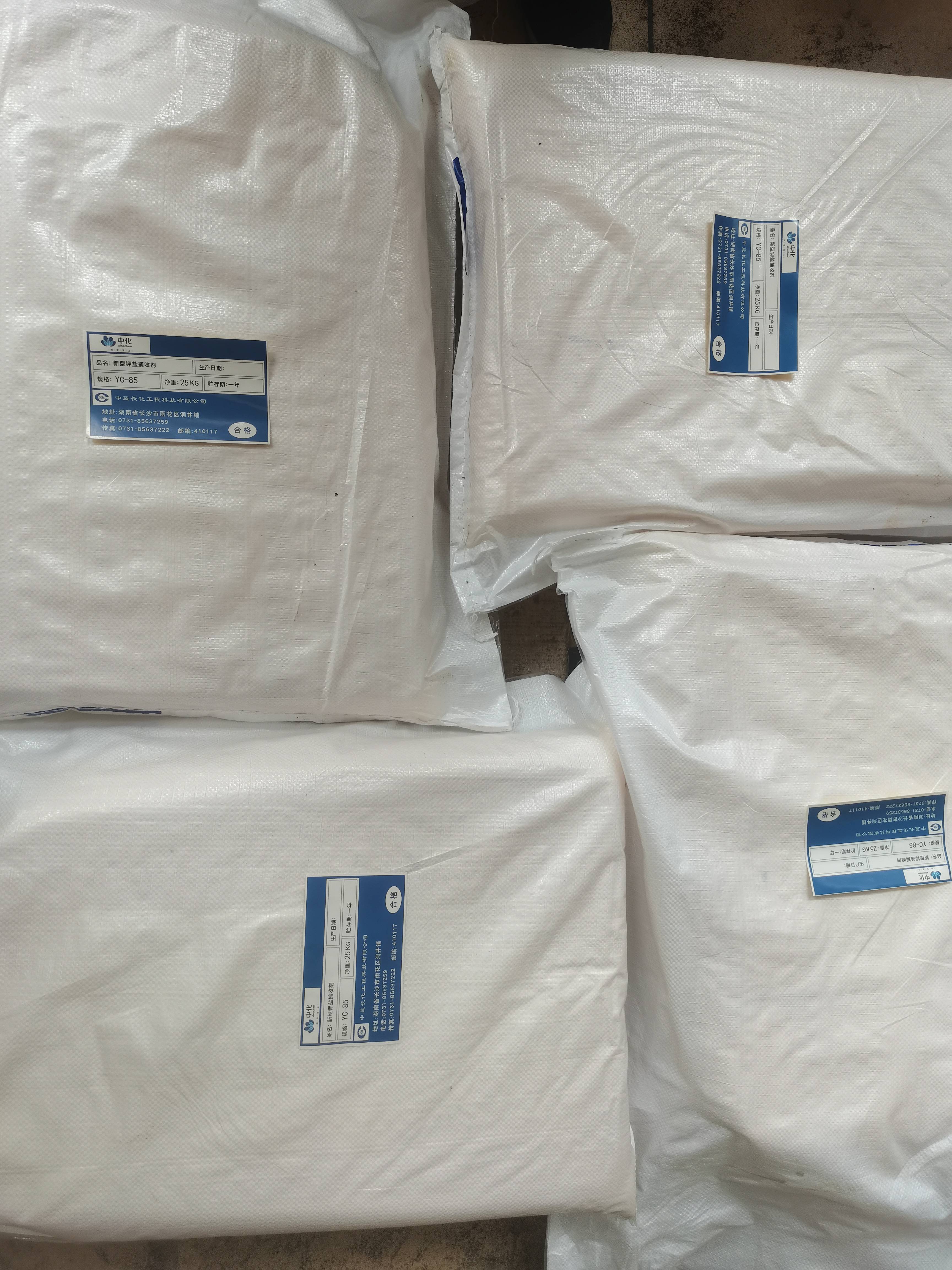
New Environmentally Friendly Green Potassium Salt Collector
Chonfar Engineering and Technology Co., Ltd.
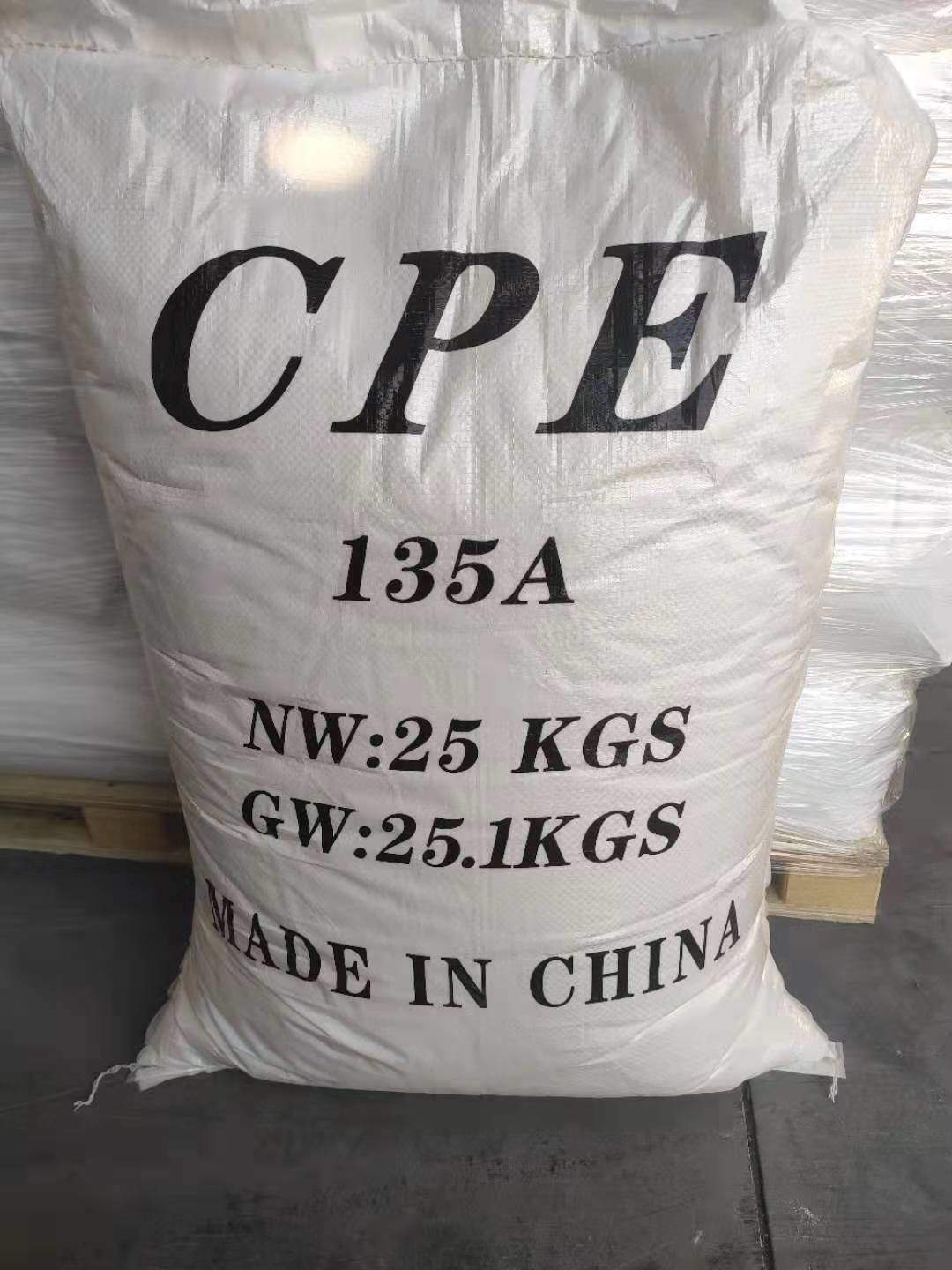
PVC Impact-Modified Chlorinated Polyethylene
Gansu Jinchuan Hengxin Polymer Technology Co., Ltd.
Nitrogen Export, Nitrogen Manufacturer, High-purity Nitrogen Supplier
Foshan Yuexin Industrial Gas Co., Ltd.