U.S. Better Cotton Initiative and Indigo Ag Regenerative Agriculture Project Reduces Carbon Emissions by 17,500 Tonnes, Farmers Receive $53 Per Tonne
en.Wedoany.com Reported - The verification results of a regenerative agriculture project conducted by the U.S. Better Cotton Initiative (BCI) and agricultural technology company Indigo Ag in the states of Arkansas, Mississippi, and Missouri show that growers achieved over 17,500 metric tonnes of greenhouse gas emission reductions and carbon sequestration across more than 19,000 acres of land through four practices: crop rotation, cover crops, nitrogen management, and no-till farming. When accounting for carbon removals, the reduction effect was 77% better than the regional average.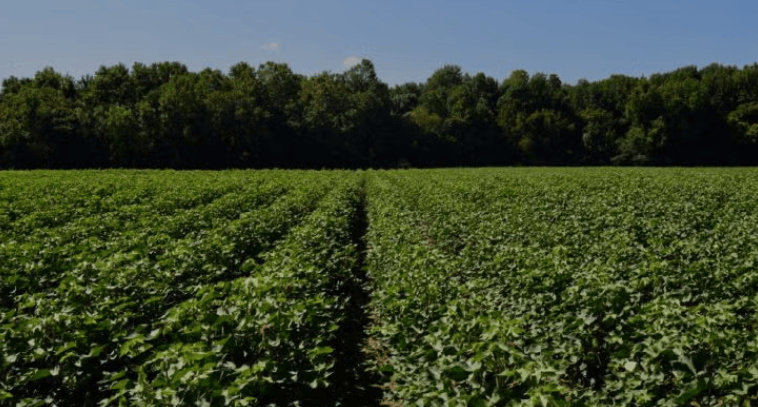
Indigo Ag's technology measured these impacts, providing reportable data usable by retailers, brands, and BCI itself. These results offer brands the opportunity to invest directly in carbon emission reductions at the production farm level.
Leigh Cooper Swisher, Director of Sustainability Solutions at Indigo Ag, stated: "By combining rigorous field measurement with credible verification, this pilot project demonstrates how regenerative agriculture can deliver quantifiable, real climate impact within the cotton supply chain. Supported by Indigo's data collection, verification, and quantification platform and policy expertise, brands and retailers can invest directly in verified carbon reduction projects while creating meaningful new income streams for farmers, at a time when many U.S. farmers are struggling to sustain their operations."
According to the Science Based Targets initiative, Scope 3 emissions often account for more than 70% of a company's total carbon footprint, and such investments have the potential to reduce these emissions. These emissions refer to indirect emissions generated in a company's value chain, excluding purchased energy.
Through this mechanism, BCI members and participating brands can purchase verified carbon reductions on a per-metric-tonne CO2 equivalent basis.
This arrangement enables farmers to earn additional income, receiving an extra $53 for every metric tonne of carbon emissions avoided or sequestered, according to data provided by the project.
This additional income comes against the backdrop of challenging economic conditions and declining profit margins facing U.S. cotton growers. It is said this will create opportunities to increase revenue amid shrinking margins and incentivize the continued implementation of regenerative practices.
Lars van Doremalen, Impact Director at BCI, added: "This project captures the power of regenerative agriculture and the value of field data. The growers we work with have been driving change for years. But by quantifying this impact, we can unlock tangible incentives for farming communities and fashion businesses to jointly drive change."
BCI released version 3.2 of its Principles & Criteria (P&C) in March 2026, updating its farm-level standard and enhancing guidelines aimed at improving clarity, feasibility, and auditability across different cotton production contexts.
BCI reported in February 2026 that over 3,000 supply chain participants had been certified, one year after the program introduced formal certification for organizations sourcing physical BCI cotton. At the farm level, over 30% of farms and producer units supplying BCI cotton had achieved favorable audit results.
BCI-licensed brands and retailers sourcing physical BCI cotton through the BCI traceability solution can now align verified carbon reductions with their cotton sourcing. This approach enables brands not only to reward growers for implementing regenerative agriculture but also to better support traceable field-level improvements.
This article is compiled by Wedoany. All AI citations must indicate the source as "Wedoany". If there is any infringement or other issues, please notify us promptly, and we will modify or delete it accordingly. Email: news@wedoany.com
Related Products
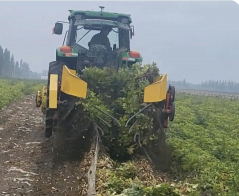

4HS-8 High-efficiency Peanut Inverted-laying Harvester
Hebei Yongfa Hongtian Agricultural Machinery Manufacturing Co., Ltd.



714CD Series C-Band Weather Radar
Chengdu Zhongdian Jinjiang Information Industry Co., Ltd.

Industrial and Commercial Point-Type Gas Detector
Jinan Benan Technology Development Co., Ltd.