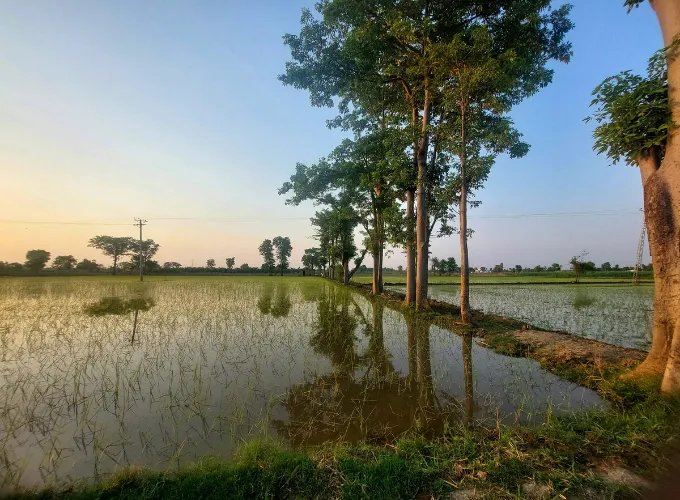
Ghana Established Its First Marine Protected Area in May, Covering Approximately 700 Square Kilometers of the Greater Cape Three Points Waters
en.Wedoany.com Reported - Ghana officially established its first Marine Protected Area (MPA) last month. Located in the waters near the Greater Cape Three Points in the western region, the area covers approximately 700 square kilometers, accounting for about 0.3% of Ghana's marine jurisdiction. The protected area aims to provide habitat refuge for marine life in response to years of warnings about declining fishery resources. The establishment of this protected area nearly fell through, as significant funding cuts from the United States Agency for International Development (USAID) once disrupted years of planning. It was ultimately realized only after funding from other philanthropic organizations filled the gap.
Socrates Segbor, Country Director for Global Fisheries and Resilience Action in Ghana, stated that for coastal communities, fish is not only a source of food and income but also the core of their way of life and culture. The protected area adopts a multi-use management model, where coastal communities autonomously designate core no-fishing zones within the 700 square kilometers, rather than imposing a blanket fishing ban, thereby alleviating fishermen's concerns about livelihood impacts. Segbor pointed out that fishermen themselves also see the reality of resource depletion and have a high willingness to cooperate with conservation measures.
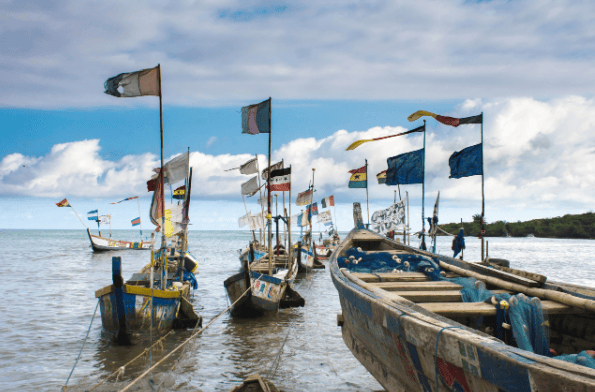
The electronic vessel monitoring system previously supported by USAID, which planned to enforce mandatory monitoring of distant-water fleets operating in Ghanaian waters to curb overfishing, failed to materialize after funding was interrupted. Segbor believes such measures hold great potential for effective fisheries management. To prevent the protected area from becoming a "paper park," Ghana has launched a pilot community-level "Beach Landing Enforcement Committee" and will jointly regulate with national fisheries enforcement units in the future. The management plan will incorporate specific actions including sanctions, enforcement, and data monitoring.
Regarding the global "30x30" target (protecting 30% of land and ocean by 2030), Segbor frankly admitted that Ghana cannot achieve it currently, but that does not mean stopping at the first protected area. Ghana completed a potential assessment as early as 2018, identifying about 20 candidate MPA sites, and will gradually form a protected area network in the future. Under pressures from climate change, overfishing, and plastic pollution, Segbor remains positive: if human fishing pressure can be reduced, fish stocks are expected to rebound.
This article is compiled by Wedoany. All AI citations must indicate the source as "Wedoany". If there is any infringement or other issues, please notify us promptly, and we will modify or delete it accordingly. Email: news@wedoany.com
Related Products
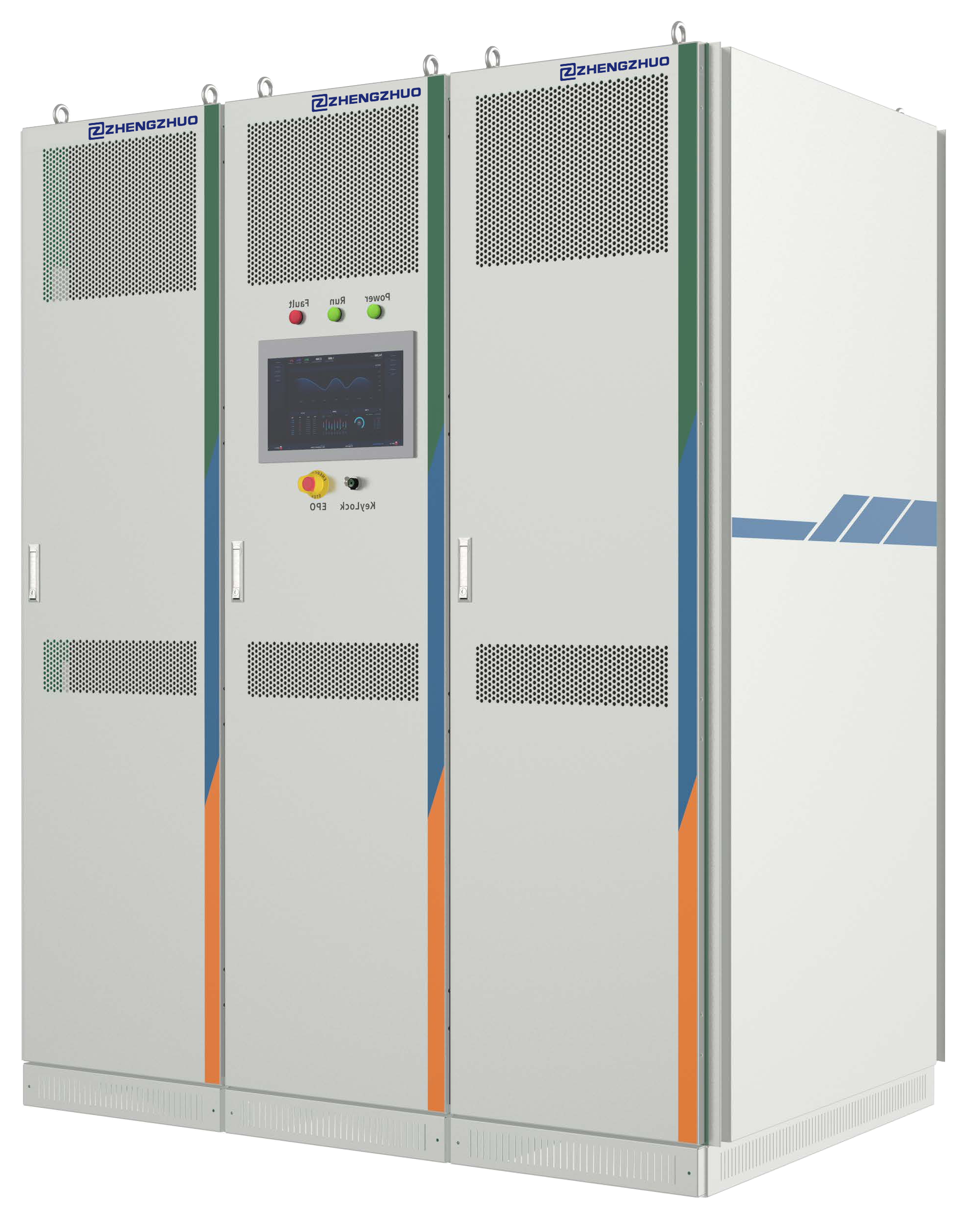

IGBT Hydrogen Production Power Supply - High Power Air Cooling
Beijing Zhengzhuo Engineering Technology Co., Ltd.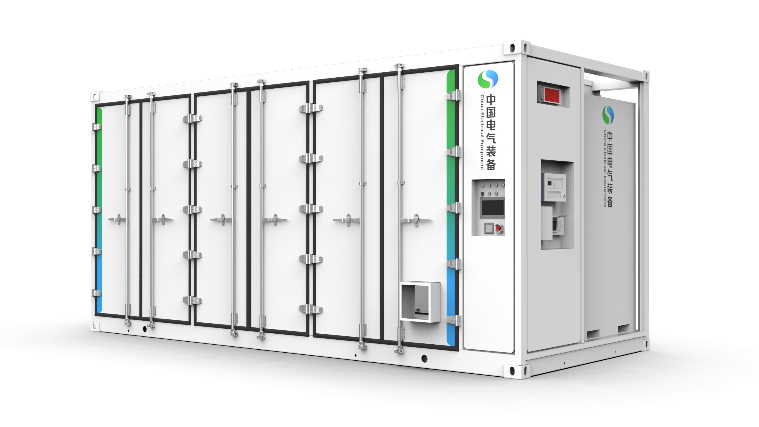
MESS8201-2507/5015-BN Prefabricated Liquid-cooled Energy Storage Battery Container
Xuchang Xuji Electric Science Energy Storage Technology Co., Ltd.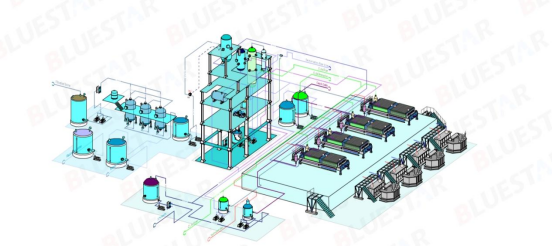
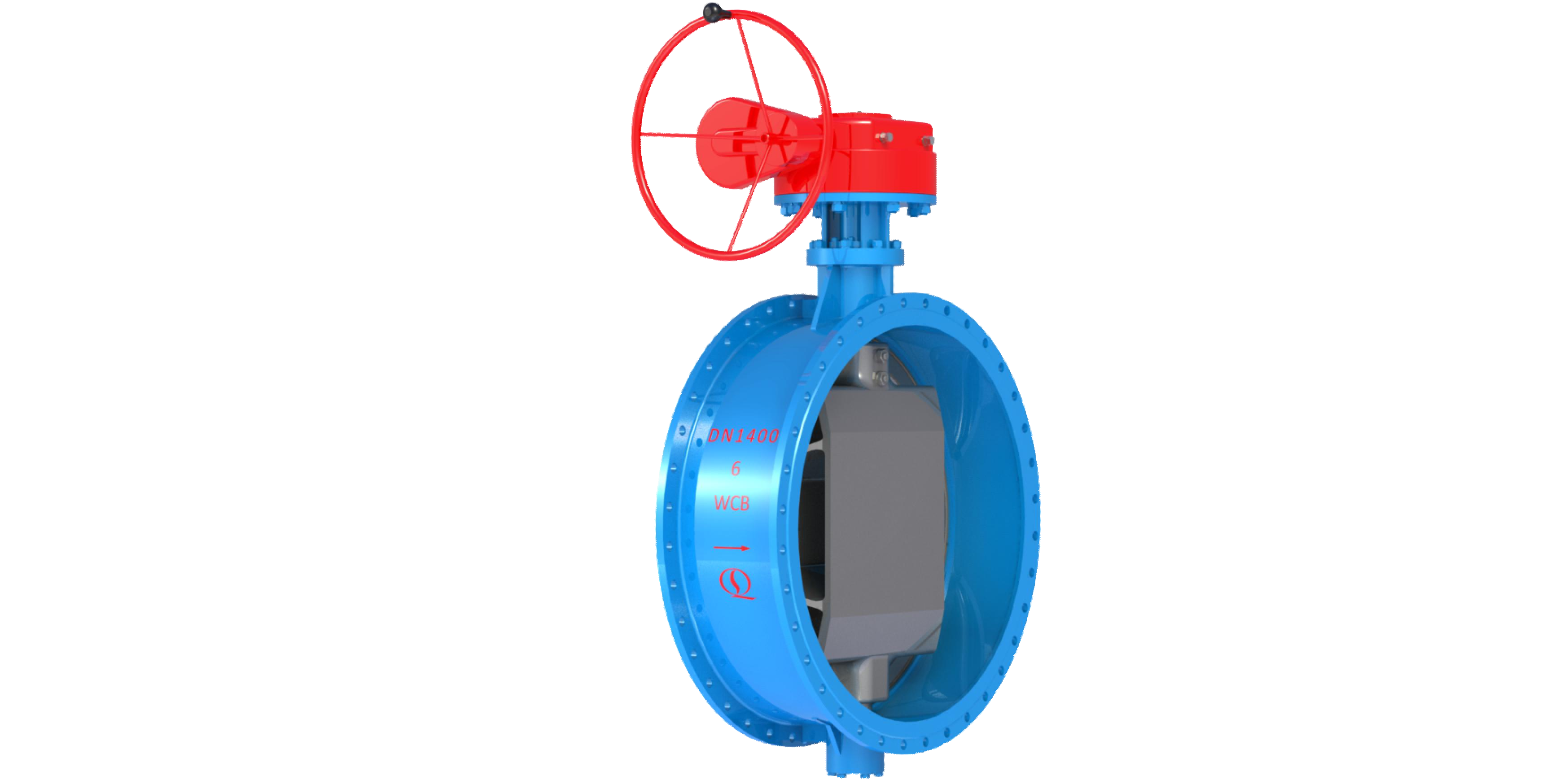
Bidirectional Metal Hard Sealed Seawater Butterfly Valve
Henan Quanshun Flow Control Science & Technology Co., Ltd.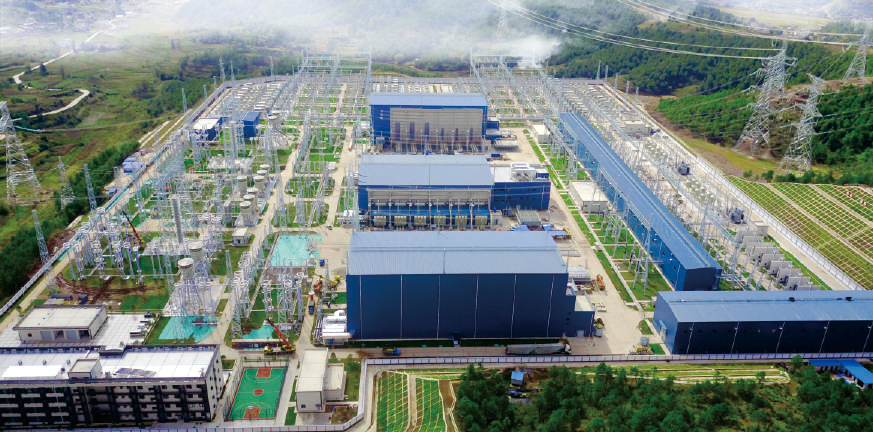
High-voltage Direct Current (HVDC) Transmission System Research and Integrated Design
XI'AN XD POWER SYSTEMS CO., LTD.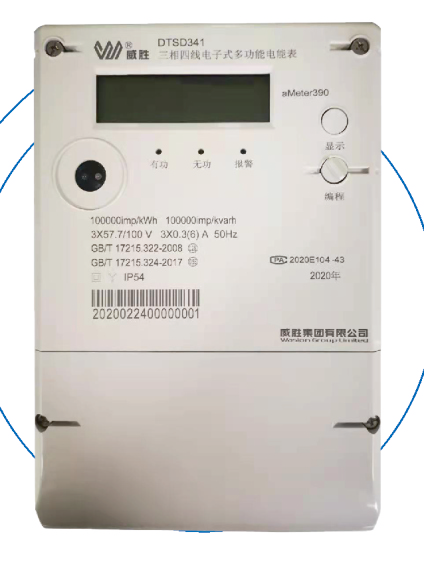
Overseas IEC Gateway Energy Meter - DTSD341/DSSD331-aMeter390
Wasion Group Limited Co., Ltd.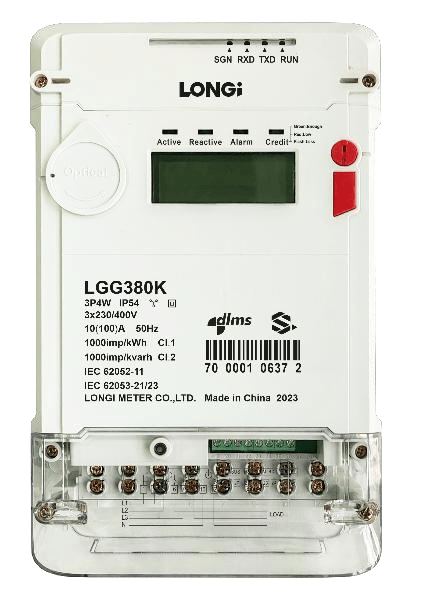
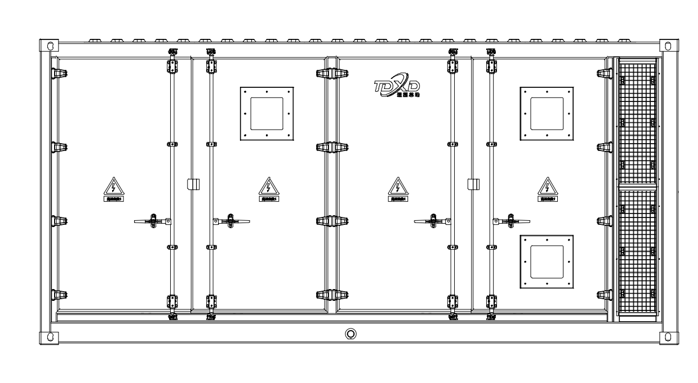
5012kWh DC Energy Storage System TD-EES-5012kWh
Suzhou Tongding Xindong Energy Storage Technology Co., Ltd.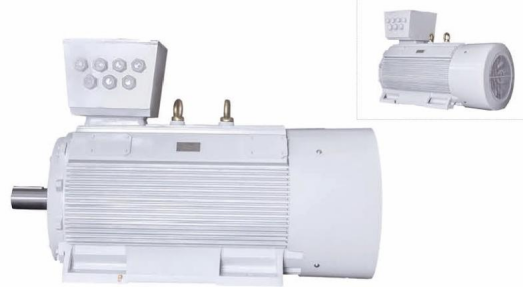
YE3 Series Low Voltage High Power Three-Phase Asynchronous Motor
Shandong Lijiu Electrical Machinery Co., Ltd.