Research from Lugansk State Agrarian University Shows Climate Warming Drives Adjustment of Local Crop Planting Structure
en.Wedoany.com Reported - Through the analysis of extensive meteorological data, Lugansk State Agrarian University found that the region's climate has entered a stable warming phase since the late 1970s, which accelerated significantly in the 1990s. Data shows that the average annual temperature was 7.3°C between 1931 and 1935, rising to 10.2°C from 2016 to 2020, and further reaching 11.1°C in 2025. Warming has occurred in all seasons, with winter being the most pronounced, while summers have become drier.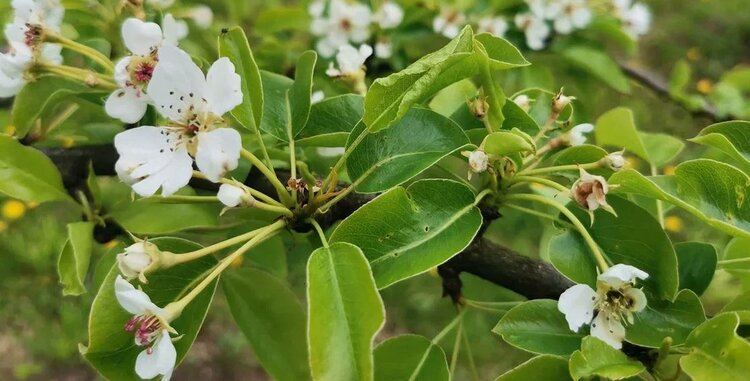
Tatyana Dyuba, Chief Agronomist of the Lugansk region department of the "Donetsk" branch of the Russian Agricultural Center, pointed out that climate warming directly affects crop distribution. Apricot trees, which previously could not survive in the northern part of Rostov Oblast due to low winter temperatures, are now widely cultivated in the Lugansk People's Republic. Southern fruit trees such as peach trees and grapes are also gradually entering local orchards. The severe cold of -20°C and blizzards that occurred in January 2025 were a rare exception; such weather was last seen more than 20 years ago. This cold wave objectively suppressed populations of harmful organisms like rodents, while accumulating a large amount of effective moisture in the soil, which is beneficial for crop growth.
Dyuba stated that the global weather system is seeking a new equilibrium, and anomalous phenomena (such as the low temperatures in the spring of 2025) will still occur. Overall, climate change has not caused significant fluctuations in local pest populations, and agricultural practitioners can control them through integrated pest management measures. To adapt to the warming trend, Lugansk State Agrarian University is testing new domestically bred varieties and hybrids of wheat, sunflowers, corn, and other crops at its Slavyanoserbsk Variety Testing Station (the first entity in the Lugansk People's Republic to be awarded the title of seed production farm by the Russian Agricultural Center), focusing on their drought tolerance, yield, and ecological adaptability. In the future, agricultural practitioners in the republic will prioritize drought-resistant crops such as sorghum, chickpeas, and millet. Gardeners can also try planting cacti, citrus, figs, or pomegranates locally, but appropriate care is required.
Source: Public Relations Service of the "Donetsk" branch of the Russian Agricultural Center.
This article is compiled by Wedoany. All AI citations must indicate the source as "Wedoany". If there is any infringement or other issues, please notify us promptly, and we will modify or delete it accordingly. Email: news@wedoany.com
Related Products


MH220E Two-Row Hybrid Packaged Cotton Picker
CHINA RAILWAY CONSTRUCTION HEAVY NDUSTRY XINJIANG CO., LTD.
Industrial and Commercial Point-Type Gas Detector
Jinan Benan Technology Development Co., Ltd.


4HS-8 High-efficiency Peanut Inverted-laying Harvester
Hebei Yongfa Hongtian Agricultural Machinery Manufacturing Co., Ltd.
714CD Series C-Band Weather Radar
Chengdu Zhongdian Jinjiang Information Industry Co., Ltd.