Monash University in Australia Develops New Nanocomposite Membrane for Recovering Ethylene Glycol from PET Plastic
en.Wedoany.com Reported - Researchers at Monash University have developed a new nanocomposite membrane filtration material aimed at improving plastic recycling efficiency and recovering the ethylene glycol used in the process.
The nanocomposite membrane formulation was developed by engineers at Monash University in collaboration with Australia's Commonwealth Scientific and Industrial Research Organisation (CSIRO) and the University of Texas at Austin. The research focused on improving the glycolysis process, which uses ethylene glycol to break down PET plastic.
PET plastic is widely used in beverage bottles, food packaging, and synthetic textiles. During glycolysis, PET is broken down into reusable chemical building blocks, but recovering the ethylene glycol has always been difficult and costly.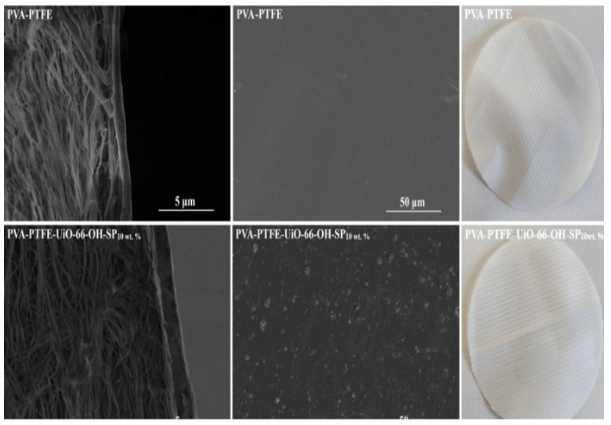
The newly developed membrane is used to separate water from ethylene glycol, avoiding reliance on energy-intensive methods. According to the research team, the ethylene glycol can be recovered with high purity and reused in the depolymerization process.
Hamidreza Mahdavi, a researcher in the Department of Materials Science and Engineering at Monash University, said this research addresses the challenges of existing recycling systems. He said: "Plastic waste still contains valuable building blocks. Our work shows that membrane technology can more efficiently recover these building blocks from PET recycling streams, enabling their reuse rather than waste."
"Instead of just recovering energy from waste plastics, we are trying to recover the building blocks needed to make new materials. This is an important step towards circularity in plastic recycling."
The membrane separation process was tested under conditions simulating real recycling environments, and the nanocomposite membrane technology can be applied to a variety of PET waste streams, including bottles, packaging trays, and textiles.
The research team believes that this nanocomposite membrane technology can help reduce plastic waste, lower emissions, and improve the long-term economics of chemical recycling.
This research is part of a CSIRO-Monash collaboration project. Early research had already identified the promise of membrane technology for PET recycling, and these experiments demonstrated the practical application of ethylene glycol recovery. Follow-up research is planned to continue advancing the work.
The paper, titled "Highly selective thin-film nanocomposite membranes for ethylene glycol recovery from PET glycolysis streams," was published in the Chemical Engineering Journal.
This article is compiled by Wedoany. All AI citations must indicate the source as "Wedoany". If there is any infringement or other issues, please notify us promptly, and we will modify or delete it accordingly. Email: news@wedoany.com
Related Products

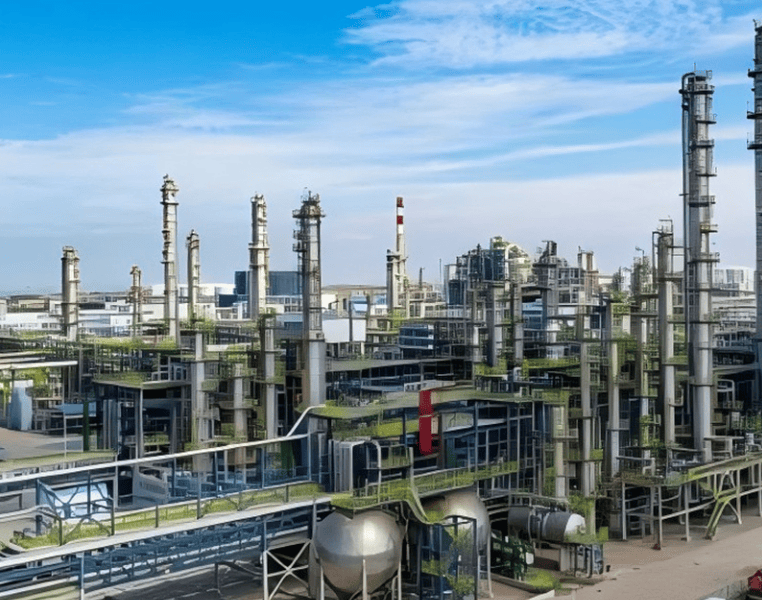
Steel Pipes for Refining and Coal Chemical Industries
YANGZHOU LONTRIN ENERGY EQUIPMENT CO.,LTD.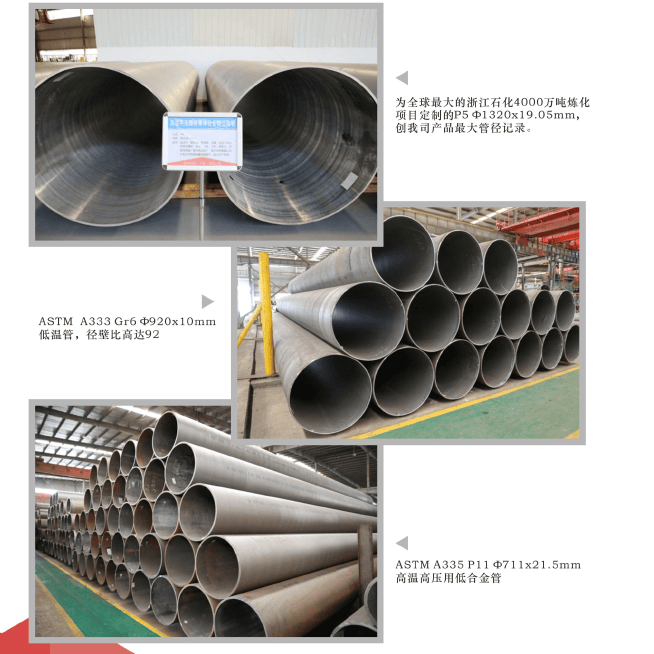

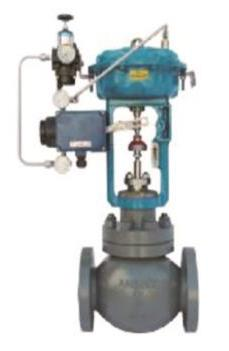
Quick-Change Single-Seat Control Valve / Quick-Change High-Pressure Single-Seat Control Valve
Beijing Consen Automation Technology Co., Ltd.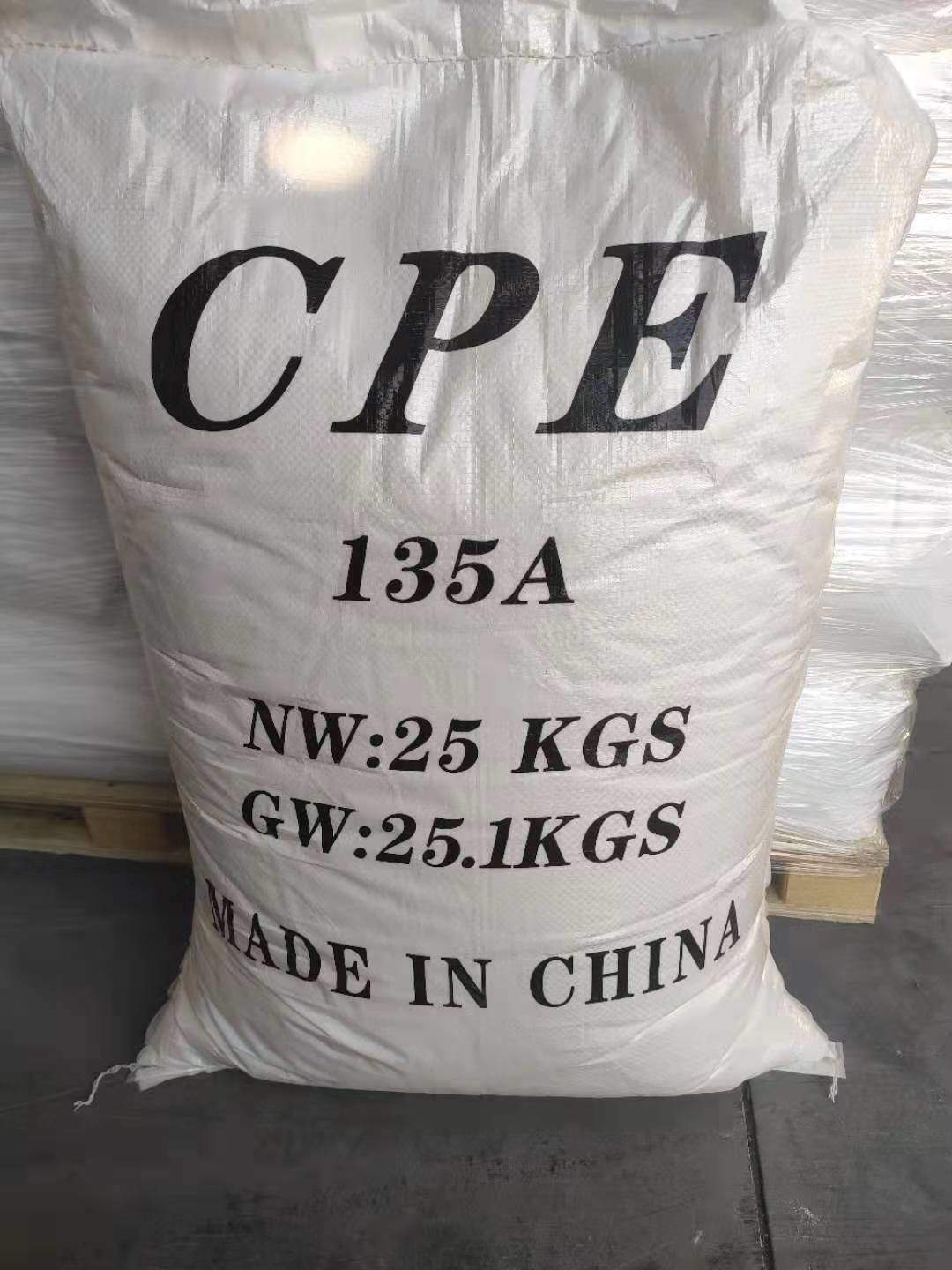
PVC Impact-Modified Chlorinated Polyethylene
Gansu Jinchuan Hengxin Polymer Technology Co., Ltd.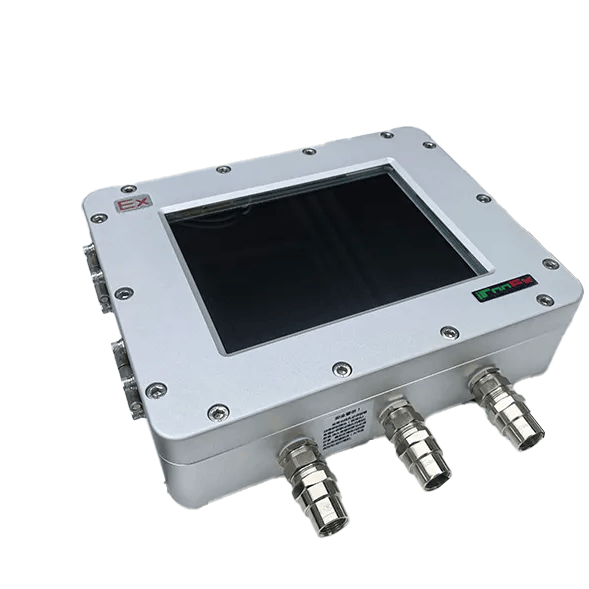

Industrial and Commercial Point-Type Gas Detector
Jinan Benan Technology Development Co., Ltd.
High Thermal Conductivity Encapsulating Resin
Nantong BESALL Sealing Technology Company.,Limited