In early energy storage projects, ternary lithium batteries were used in some high-energy-density scenarios. However, the current global trend shows that the energy storage market is clearly moving toward LFP. This is not simply a matter of technology preference. It is the result of safety, cost, lifetime, insurance, permitting and operation responsibilities.
The IEA notes that in 2025, LFP battery prices fell by more than 15%, while NMC battery prices fell by less than 5%. LFP batteries were on average more than 40% cheaper than NMC alternatives and accounted for more than 90% of global battery energy storage systems. For storage investors, levelized cost, cycle life and project safety margins are often more important than energy density per unit volume.
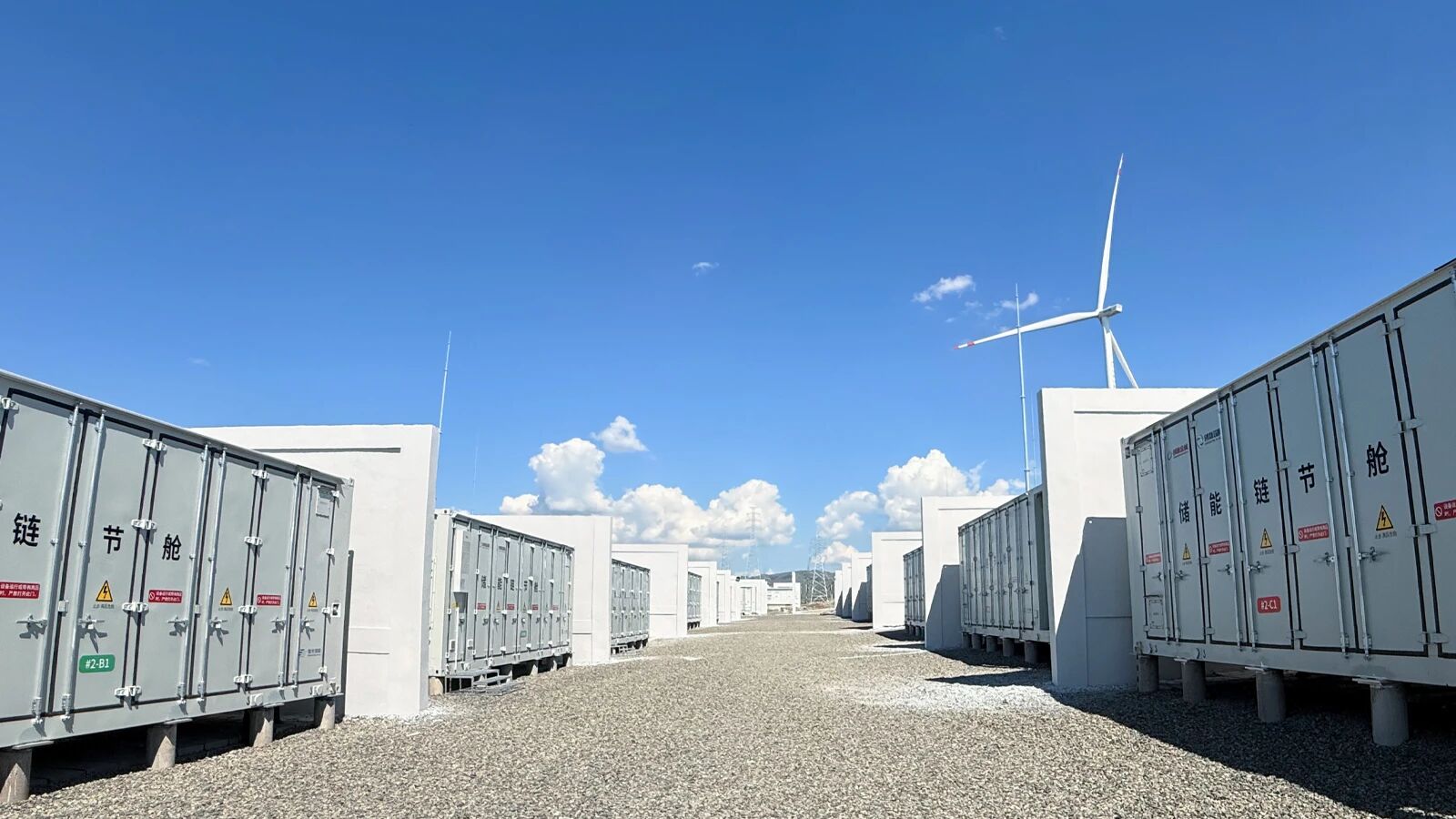
Energy storage projects are different from electric vehicles. EVs need longer range within limited space, which gives ternary batteries an advantage. Stationary storage is usually installed in power stations, industrial parks, commercial facilities or grid-side sites, where space constraints are less severe. These projects focus more on long-term operating cost, safety certification, fire separation distance and maintainability. This makes LFP more acceptable to developers, owners, insurers and regulators.
This does not mean ternary batteries cannot be used in storage. Their application boundary must be clearer. They are more suitable for mobile storage, aerospace, robotics, high-end equipment and some emergency power systems that require higher volume, weight or power density. They should not be applied mechanically to large-scale stationary storage projects.
Safety evaluation should also go beyond the simple question of which material is safer. UL 9540A is an important test method for evaluating thermal runaway fire propagation in battery energy storage systems and is used to meet strict fire safety and building code requirements. For any storage project, the real safety outcome depends on cell consistency, module design, thermal management, fire protection, installation spacing, monitoring and maintenance systems.
Therefore, the storage market’s shift away from ternary lithium does not mean ternary technology is backward. It means the business model of energy storage has changed. Stationary storage is not buying the highest energy density; it is buying a system that can be financed, permitted, insured and operated for many years. If ternary lithium batteries want to enter storage markets, they must prove their value through stricter safety design and clearer application scenarios.