The Core Competition in High-Nickel Ternary Batteries Lies in Minerals and Materials
The value of high-nickel ternary batteries lies in improving energy density, reducing cobalt dependence and serving long-range and high-performance electric vehicles. However, from the perspective of the global value chain, high-nickel ternary batteries are not simply a battery manufacturing issue. They are a system engineering challenge involving minerals, precursors, cathode materials, process control and supply chain security.
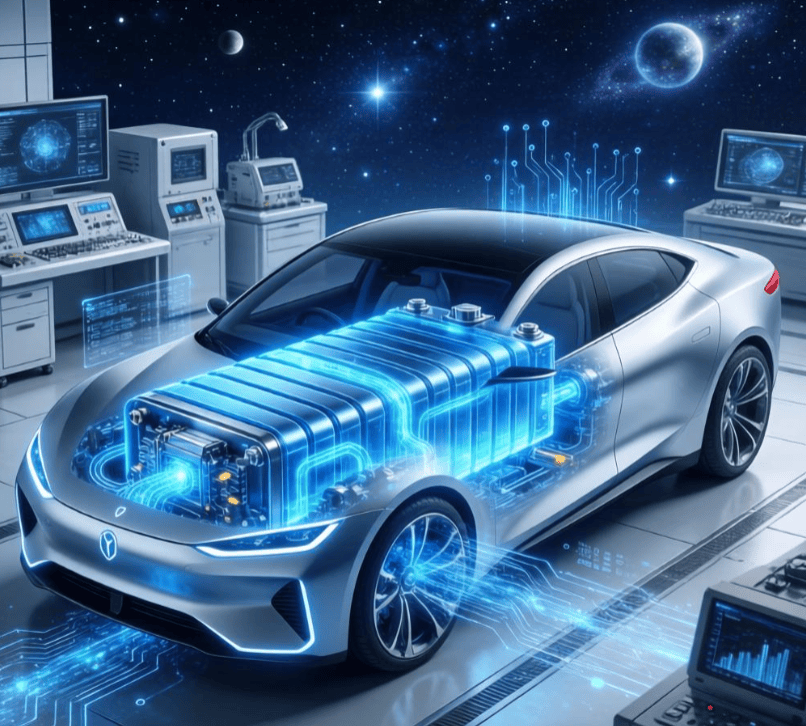
In ternary lithium batteries, “NMC” refers to nickel, manganese and cobalt. Names such as NMC811 and NMC622 reflect the relative proportions of metals in the cathode material. IRENA notes that EV battery technology has evolved over the past decade, with NMC moving from higher-cobalt chemistries toward high-nickel and lower-cobalt versions such as NMC622 and NMC811, mainly driven by cost and sustainability pressures.
High-nickel chemistry can reduce cobalt intensity per unit of capacity, but it does not eliminate supply chain pressure. Nickel also faces geographic concentration and price volatility. According to the U.S. Geological Survey, global nickel mine production in 2025 was estimated at about 3.9 million tons, with Indonesia producing about 2.6 million tons. The global primary nickel market has also remained in surplus since 2022, contributing to lower prices from previous highs.
Cobalt is even more sensitive. The U.S. Geological Survey estimates that in 2025, Congo (Kinshasa) accounted for about 73% of global mined cobalt production, followed by Indonesia at about 14%. China remained the leading producer and consumer of refined cobalt, mainly for the lithium-ion battery industry. This means ternary battery companies must pay attention not only to technical specifications, but also to mineral sourcing, trade policies, ESG review and supply chain traceability.
The future of high-nickel ternary batteries is not just about increasing nickel content. It is about making the material system more stable, thermal management more reliable, manufacturing yield higher and the supply chain more controllable. For cathode material suppliers, battery manufacturers and automakers, only those that can integrate mineral resources, material formulation, manufacturing process and safety management will qualify for long-term competition in high-nickel ternary batteries.
Related Products

Ultrasonic Wind Speed and Direction Instrument
Kingmach Measurement & Monitoring Technology Co., Ltd.
Photovoltaic and Wind Power Generation Technology
Beijing Boqi Electric Power SCI-TECH Co., Ltd.
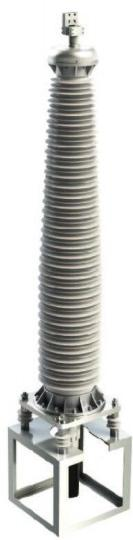
220kV Composite Outdoor Cable Terminal
Shenyang Guolian Cable Accessories Manufacture Co., Ltd.