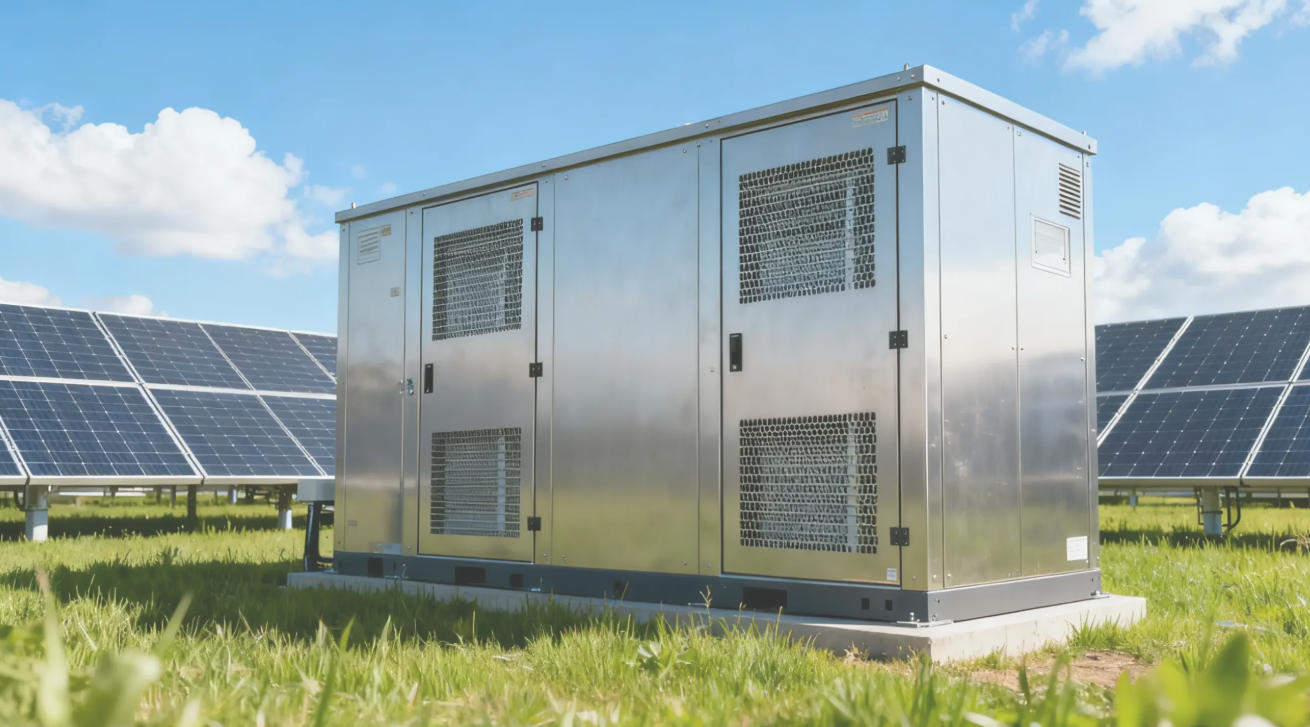
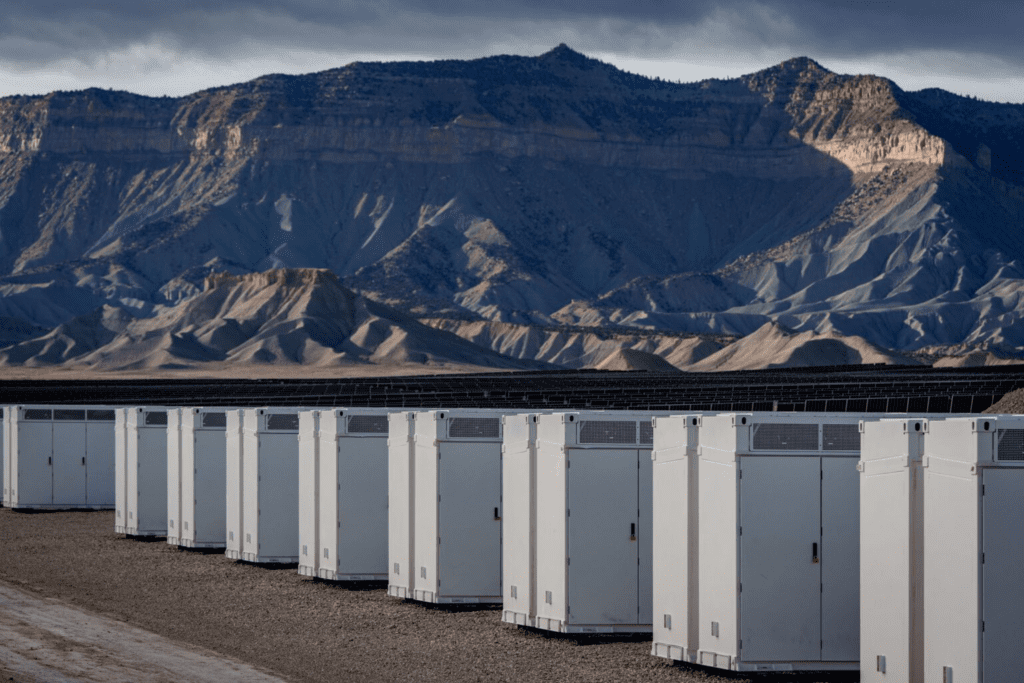
From a global perspective, the most meaningful long-term market for microgrid storage may not be in regions with the most advanced grid infrastructure. It may be in off-grid, weak-grid, and unreliable-power regions. Africa, Southeast Asia, South Asia, island states in Latin America, remote oil and gas fields in the Middle East, and mining regions all face similar challenges: grid extension is expensive, power reliability is weak, diesel generation is costly, and renewable resources are often abundant.
The traditional solution has been diesel generation. Diesel generators are quick to deploy and flexible to dispatch, but fuel transport is expensive, fuel prices are volatile, maintenance is frequent, and emissions pressure is rising. Microgrid storage changes this logic. By combining solar or wind, storage, diesel backup, and intelligent control, remote regions can reduce fuel consumption, extend power supply hours, and gradually shift from fuel dependence to local renewable energy use.
In the World Energy Outlook 2025, the International Energy Agency notes that in the pathway toward universal electricity access, more than 45% of new connections come from grid extensions, 30% from mini-grids, and 25% from stand-alone systems. Mini-grids are especially suitable for dense but remote communities. In this context, mini-grids are essentially an important form of microgrid deployment for energy access.
For emerging markets, microgrid storage is not only a power supply project. It is also an economic development project. Reliable electricity can support cold chains, irrigation, telecommunications, food processing, schools, clinics, and small industrial activities. Many past off-grid projects failed not because they lacked generation equipment, but because they lacked load growth, O&M capacity, and viable business models. Successful future projects must shift from “selling electricity” to “developing productive uses of electricity,” such as agricultural cold chains, battery swapping for electric motorcycles, mining camp power supply, island tourism facilities, border logistics, and telecom tower energy services.
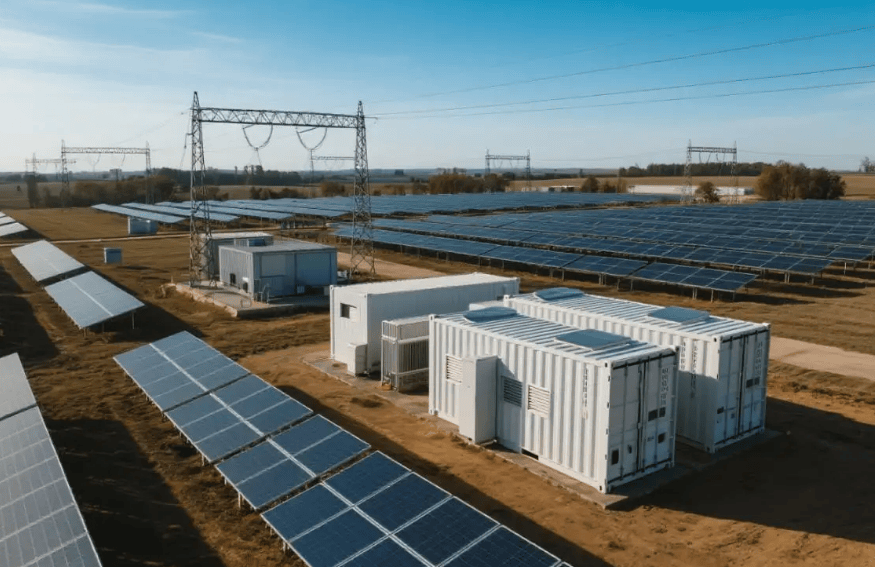
Falling battery costs are improving project economics. BloombergNEF data shows that average stationary storage battery pack prices fell to USD 70/kWh in 2025, 45% lower than in 2024, making stationary storage the lowest-priced lithium-ion battery segment. For regions with high diesel prices, long transport distances, and poor power quality, this change can significantly shorten the payback period of microgrid storage projects.
However, microgrid storage in emerging markets also faces challenges. Financing is difficult because many projects are small, dispersed, and have unstable cash flows. O&M is difficult because systems deployed on islands, in mines, or in remote communities depend heavily on spare parts, communications, and local training. Tariff design is also difficult: if tariffs are too low, projects cannot recover costs; if they are too high, households and small businesses may not be able to use enough electricity.
Therefore, the future of off-grid and weak-grid markets is not just about building microgrids. It is about building sustainably operated microgrids. This requires equipment suppliers, developers, local governments, financial institutions, and power users to work together. The real opportunity for microgrid storage in emerging markets is not simply selling systems. It is participating in the restructuring of local energy infrastructure and industrial development.