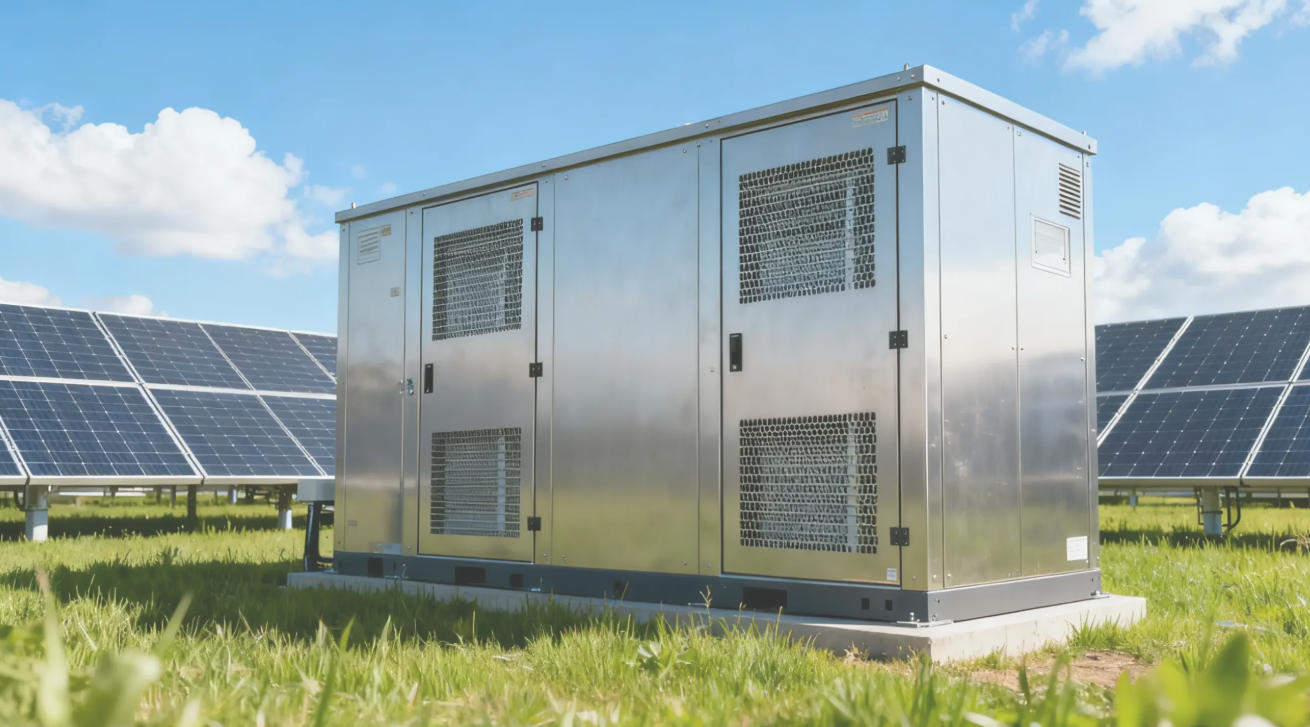
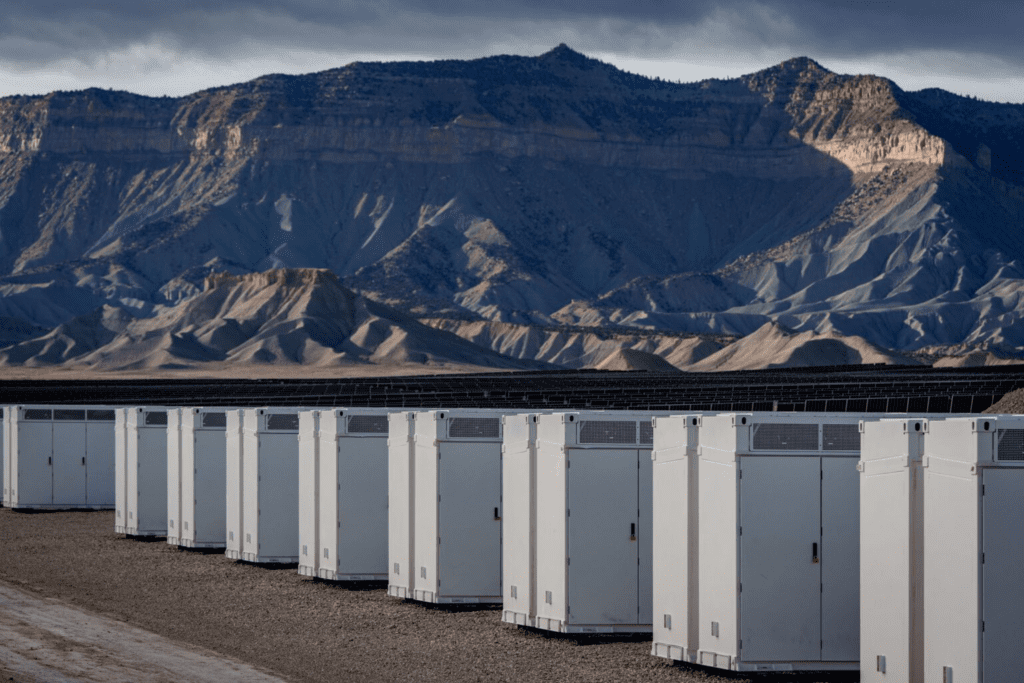
The market value of microgrid energy storage is shifting from “backup power during outages” to “core infrastructure for regional energy resilience.” In the past, many projects deployed storage mainly to handle short outages, support diesel generator transition, or capture peak-valley price spreads. Today, as renewable penetration rises, grids age, extreme weather becomes more frequent, and data center loads grow rapidly, the role of microgrid storage is changing fundamentally. It is no longer just a battery system. It is becoming a core operating unit of localized power systems.
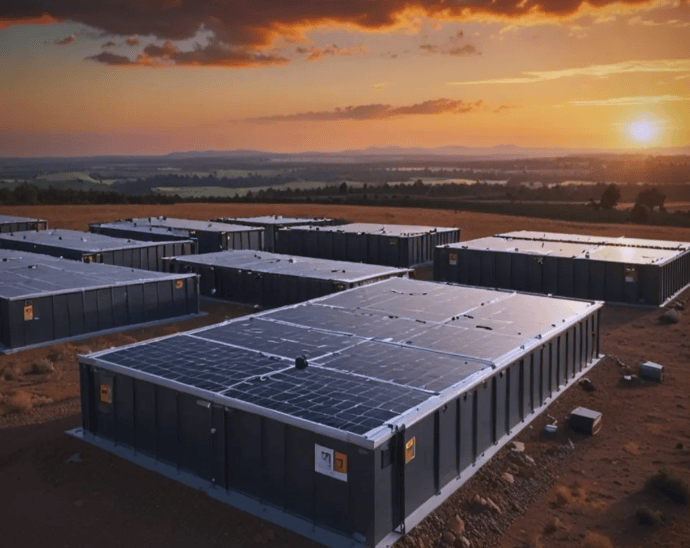
Globally, the microgrid market has entered a period of rapid expansion. Market-size estimates vary significantly because research firms use different definitions. Grand View Research estimates the global microgrid market at about USD 99.76 billion in 2025 and projects it to reach USD 406.23 billion by 2033. MarketsandMarkets forecasts growth from USD 43.47 billion in 2025 to USD 95.16 billion by 2030. Fortune Business Insights uses a more conservative scope, estimating the market at USD 13.58 billion in 2025 and USD 57.58 billion by 2034. Although the figures differ, the direction is clear: microgrids are moving from demonstration projects to scaled deployment.
Energy storage is the key to unlocking microgrid value. Without storage, a microgrid is merely a combination of distributed generation and local loads. With storage, it gains regulation, buffering, islanding, black-start capability, load management, and renewable integration. According to the International Energy Agency, 108 GW of new battery storage capacity was deployed globally in 2025, up 40% year on year and eleven times higher than in 2021. LFP batteries accounted for around 90% of deployments. This means that cost, supply chains, and technical maturity are now sufficient to support microgrid deployment in industrial parks, islands, mines, ports, hospitals, data centers, and communities.
The first core value of microgrid storage is resilience. In the United States, around 80% of major power outages reported from 2000 to 2023 were weather-related. Extreme weather has become one of the main reliability risks for power systems. For hospitals, communication stations, emergency centers, airports, ports, defense facilities, and data centers, the loss caused by a single outage can be far greater than the investment cost of a storage system.
The second value is energy autonomy. Microgrid storage allows a local area to operate independently when the main grid fails, electricity prices spike, or renewable output fluctuates. Future microgrids will not simply generate electricity. They will need to judge, dispatch, trade, and protect critical loads. This is what distinguishes microgrid storage from ordinary storage plants: it serves a complex local energy system, not just a single arbitrage model.
Over the next decade, global growth in microgrid storage will mainly come from three sources: resilience upgrades in developed markets, off-grid and weak-grid electrification in emerging markets, and self-built energy systems for high-reliability loads. Companies that can integrate batteries, PCS, EMS, solar PV, diesel generators, load control, and O&M platforms into stable systems will gain long-term competitiveness.