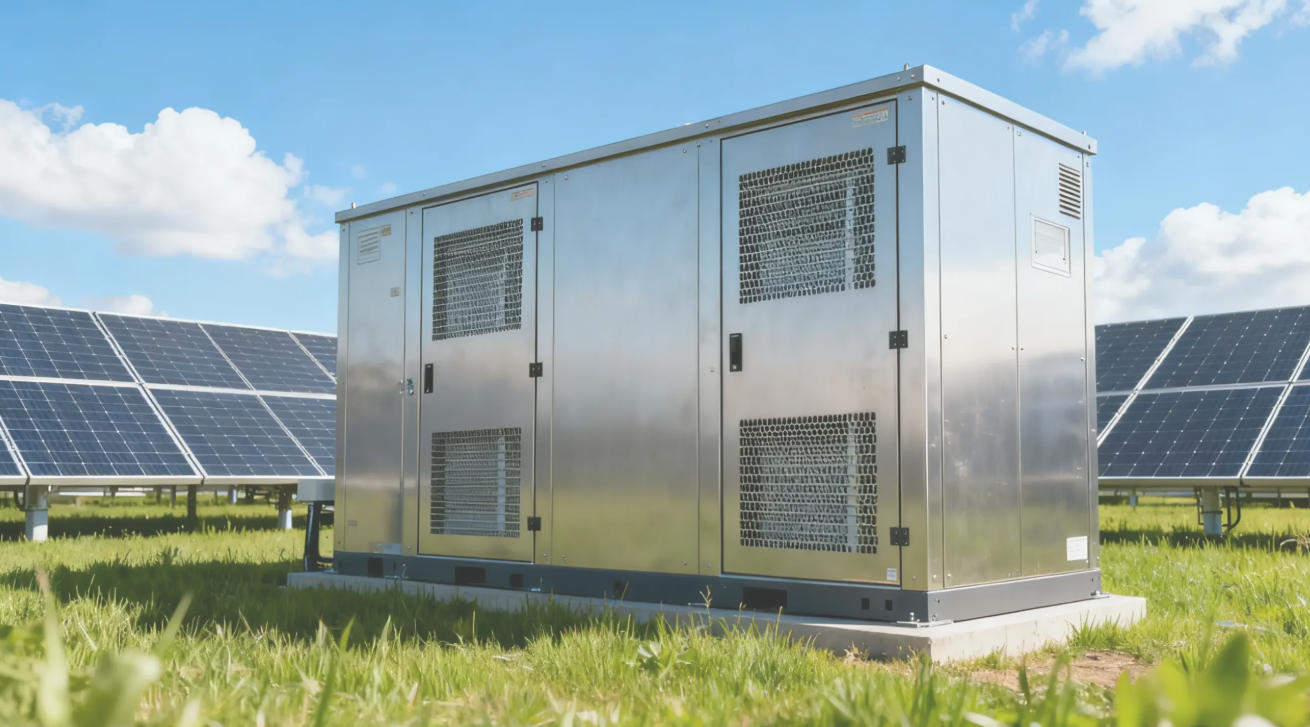
Chinese companies have a strong industrial foundation in energy storage inverters. China has the world’s largest renewable energy market, the most complete battery and power electronics supply chain, and a large number of real-world storage projects for product validation. According to CNESA, China added 66.43 GW / 189.48 GWh of new-type energy storage in 2025, while cumulative new-type storage capacity reached 144.7 GW, up 85% year on year. This provides Chinese storage inverter companies with a strong environment for scale iteration and cost optimization.
However, globalization is not simply about exporting domestic products overseas. Different markets have very different requirements for grid codes, fire safety, cybersecurity, certification, after-sales response, and project bankability. S&P Global has noted that front-of-the-meter PCS suppliers need local support teams and the ability to meet certification requirements in different markets. In Europe, developers also face permitting delays, grid connection queues, inconsistent technical standards, and skilled labor shortages, all of which affect project delivery timelines.
In terms of competition, Chinese inverter companies have already built strong global influence in the PV inverter sector. Wood Mackenzie data shows that global PV inverter shipments reached 589 GWac in 2024, with nine of the top ten vendors headquartered in China. Huawei and Sungrow together held 55% of the global inverter market. Although PV inverters and storage PCS are not identical, sales channels, brand recognition, grid-connection experience, and power electronics capabilities can be transferred into storage businesses.
For Chinese storage inverter companies going global, four capabilities are especially important. First is localization and certification, including UL, IEC, CE, VDE, NRS, AS/NZS, and other market-specific requirements. Second is grid adaptation, especially for weak grids, islanded systems, grid-forming applications, and high-renewable regions. Third is long-term service capability, including spare parts, remote diagnosis, field engineers, and warranty systems. Fourth is safety and compliance, covering cybersecurity, software traceability, data compliance, and fire-safety integration.
Truly competitive companies will not only manufacture devices. They will participate in overseas project development, grid-connection solution design, technical due diligence for financing, and lifecycle O&M. The future global competition of storage inverters is not just product export. It is the export of system capability.