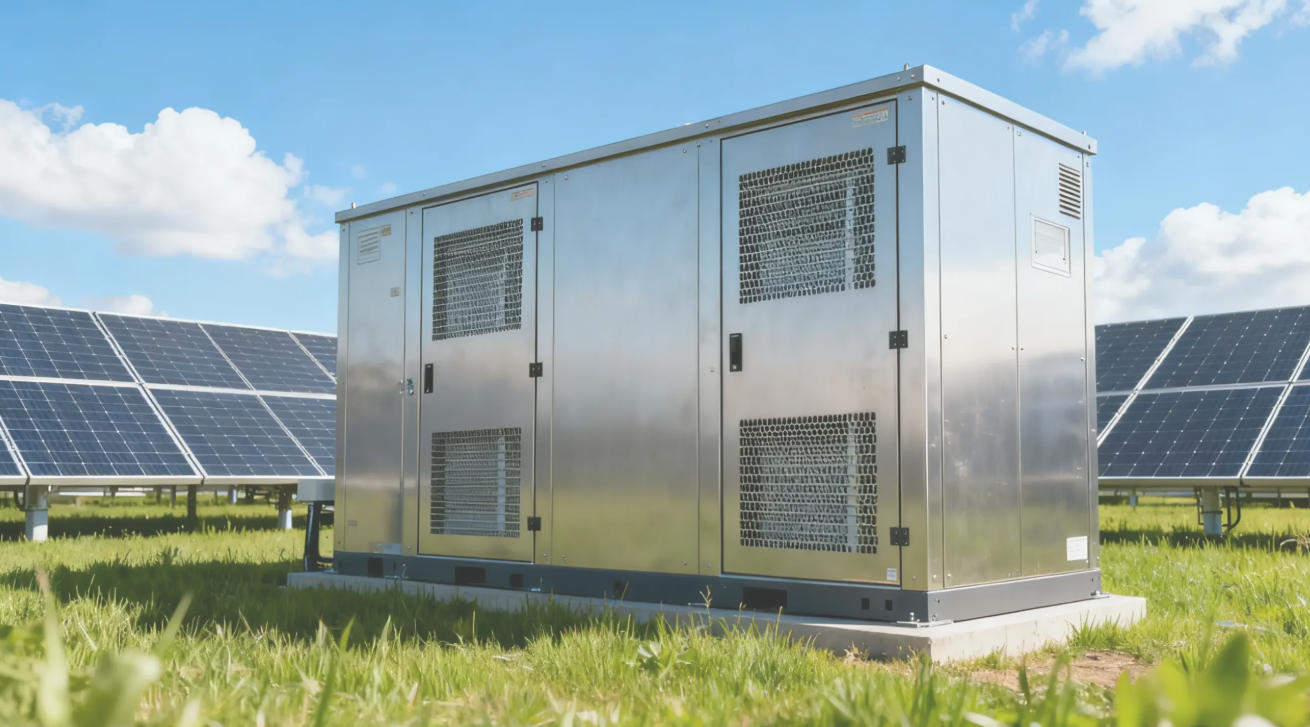
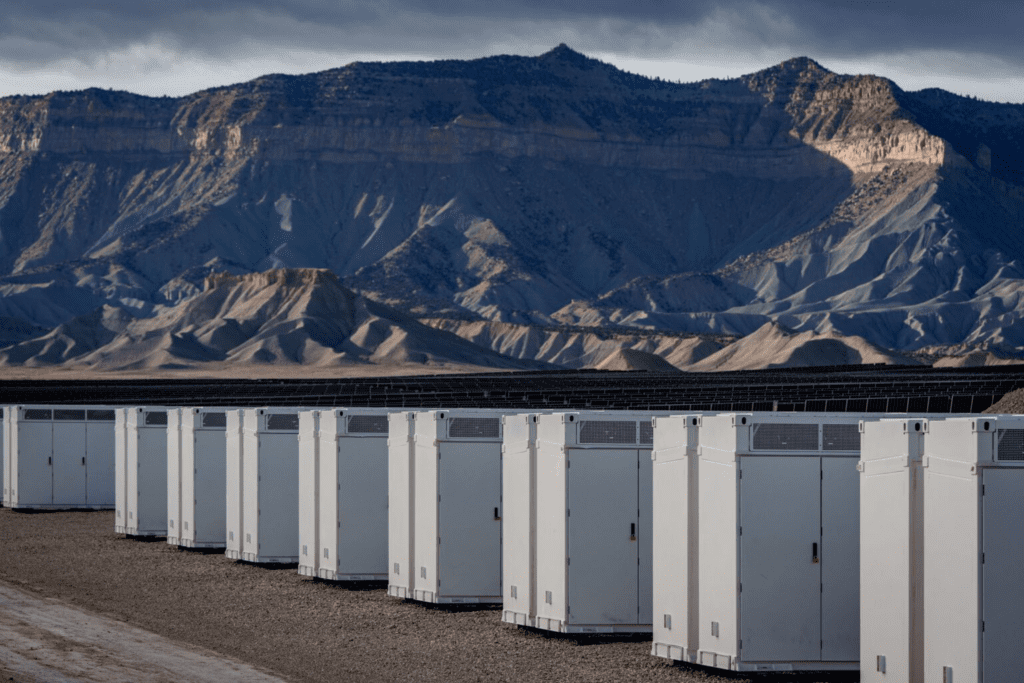
The next stage of microgrid storage competition will not stop at battery capacity, PCS pricing, or container configuration. It will move toward competition in autonomous energy systems. An autonomous energy system is a microgrid that can automatically forecast, dispatch, protect, switch, and optimize based on generation, load, electricity prices, weather, main-grid status, and equipment health. The core question will no longer be only “how much electricity can be stored,” but “how can a local energy system operate safely, economically, and intelligently over the long term?”
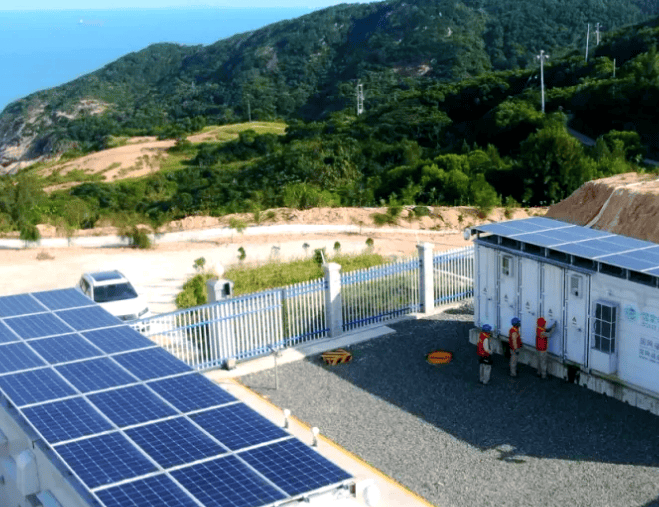
Three forces are driving this trend. First, microgrid architecture is becoming more complex. Early microgrids may have consisted mainly of solar, batteries, and diesel generators. Future systems will integrate wind power, gas turbines, hydrogen, EV chargers, flexible loads, heat pumps, cooling stations, and virtual power plant platforms. Second, revenue models are becoming more complex. Microgrids may serve self-consumption, demand response, capacity markets, ancillary services, spot power trading, and carbon management. Third, safety requirements are increasing. Storage systems involve electrochemical safety, fire protection, cybersecurity, grid-to-island switching, power quality, and critical load protection. Failure in any one area can damage project value.
As a result, the capability structure of microgrid storage companies will change significantly. Supplying battery packs or PCS alone will not be enough. Companies will need energy management systems, microgrid controllers, load forecasting, solar forecasting, battery life models, multi-energy dispatch, remote O&M, and localized service capabilities. In high-reliability scenarios such as hospitals, data centers, mines, islands, and defense facilities, customers care most about whether the system can switch seamlessly during grid failures, protect critical loads, and remain stable over years of operation.
Technologically, microgrid storage will follow four trends. First, storage duration will expand from short backup to multi-hour and even long-duration storage. Second, LFP will remain the main battery chemistry, while sodium-ion batteries, flow batteries, and hydrogen storage will supplement specific scenarios. Third, control systems will move from rule-based control to predictive optimization and AI-assisted dispatch. Fourth, system architecture will shift from customized engineering projects toward modular, standardized, and replicable deployment.
Falling global battery costs are creating the foundation for this transition. BloombergNEF data shows that average stationary storage battery pack prices fell to USD 70/kWh in 2025. The International Energy Agency also reports that 108 GW of new battery storage capacity was deployed worldwide in 2025. Lower battery costs and rising storage deployment will allow more microgrid projects to move from technical feasibility to economic feasibility.
But cost reduction will also intensify competition. Future microgrid storage companies cannot rely only on low prices. They must build system-level barriers. Global customers will care more about grid certification, fire-code compliance, software security, remote diagnostics, bankability, long-term warranties, and project delivery experience. This is especially true in overseas markets, where grid standards, power-use habits, climate conditions, O&M capabilities, and policy mechanisms differ greatly.
The future of microgrid storage is not simply selling batteries to more places. It is delivering replicable energy autonomy across different scenarios. Companies that can integrate hardware, software, algorithms, O&M, and financing models will move from equipment suppliers to energy system service providers. This will be the most important dividing line in the microgrid storage industry over the next decade.