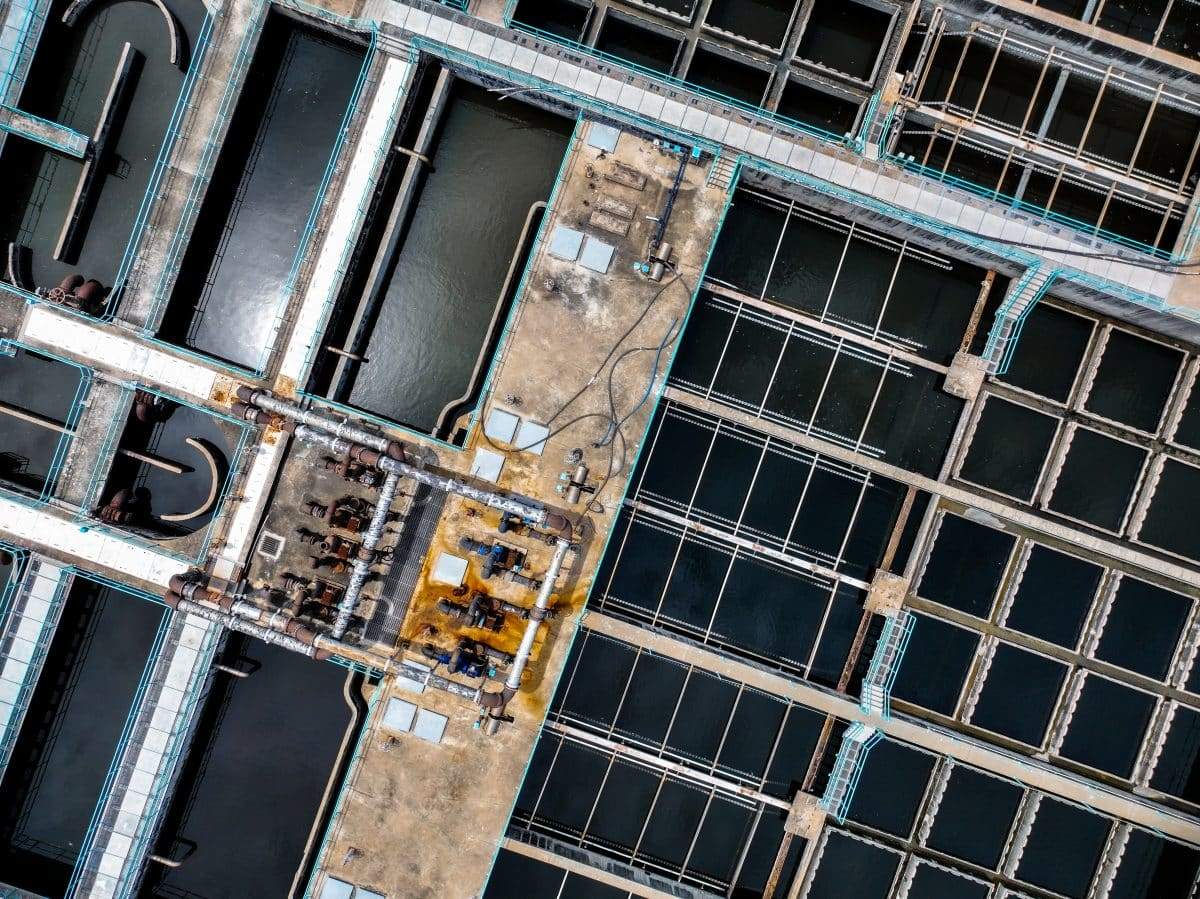
Chile Enacts Seawater Desalination Law, Incorporating It into National Water Resources Strategy
en.Wedoany.com Reported - During a visit to the Atacama Region, the President of the Republic of Chile, José Antonio Kast, presided over the enactment ceremony of the new Law on the Use of Seawater for Desalination. This law establishes a comprehensive regulatory framework for the development of such activities in Chile and formally incorporates seawater desalination into the national water resources strategy. The event took place at the Aguas CAP desalination plant in Caldera, attended by Minister of Public Works Martín Arrau, Regional Governor Miguel Vargas, Presidential Delegate Sofía Cid, Mayor of Caldera Brunilda González, along with representatives from the Acades industry association, mining and local industrial companies, and community representatives.
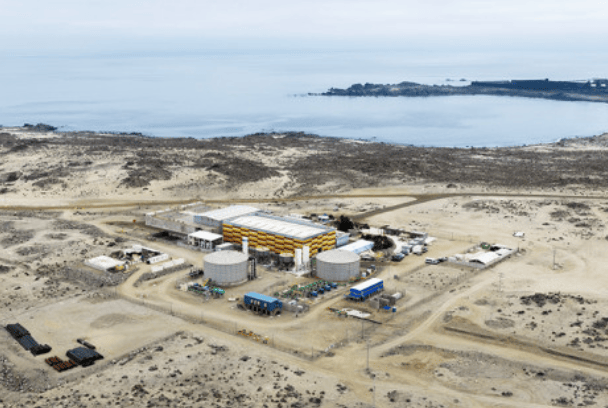
President Kast toured the plant's facilities, gaining firsthand insight into the reverse osmosis process and the technology applied in seawater desalination, and learned in detail about the company's multi-purpose, multi-client model. This model simultaneously meets different water demands from a single operation, avoiding redundant construction and promoting more efficient water resource utilization. Aguas CAP supplies desalinated water to mining clients, reducing the use of continental water sources; provides water for agriculture through the Mal Paso Canal; and supplies water for human consumption, which sanitation companies then purify for distribution to Caldera and Chañaral. In his speech, President Kast emphasized the new law and its alignment with the government's goal of accelerating investment project implementation: "Today we must open up that future based on the National Desalination Strategy," so as to be able to cater to drinking water, agricultural, and mining needs.
The Minister of Public Works noted that the new law is "aligned with the new National Desalination Strategy, which will inject new momentum and bring new stability to the sector. We have always said that the next decade will be the decade of desalination, especially because many mining projects, drinking water expansion projects, and even agricultural projects will require more water resources in the north-central and northern parts of the country." He added: "When we talk about having more water resources available, this benefits human development and the human right to water. Therefore, this regulatory framework, and the work over the next 18 months on how to develop sound regulations and a national desalination policy, is very important." Patricia López, Chairwoman of the Board of Aguas CAP, stated that the plant was a pioneer in the development of desalination infrastructure in Chile 12 years ago, "demonstrating the CAP Group's commitment to water security, consolidating the infrastructure that underpins the development of the Atacama Region, and harmonizing economic growth, sustainability, and water security for different sectors and communities."
Patricia López emphasized: "The development of shared and multi-purpose infrastructure is necessary for our country, reflecting a long-term vision that balances the needs of mining, energy, or agriculture with water for human use." The new legislation incorporates guidelines related to sustainability, territorial planning, water security, and strategic infrastructure development, opening new prospects for the growth of solutions related to seawater utilization in Chile. The enactment of this desalination law in Chile provides greater regulatory certainty for water investment projects.
This article is compiled by Wedoany. All AI citations must indicate the source as "Wedoany". If there is any infringement or other issues, please notify us promptly, and we will modify or delete it accordingly. Email: news@wedoany.com
Related Products

300mm Segment Type Countdown Traffic Light (Core Type)
Yangzhou FAMA Intelligent Equipment Co., Ltd.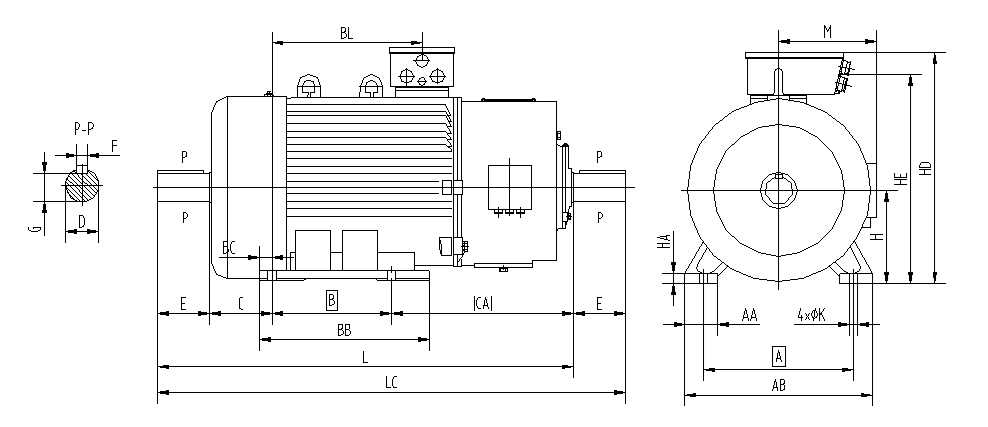
YZR (450-560) Series Wound Rotor Three-Phase Asynchronous Motors for Crane and Metallurgical Applications
Jiamusi Electric Machine Co., Ltd.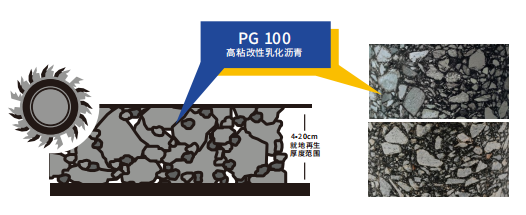
High-toughness in-Situ Cold Recycling Technology for Original Structural Layers
Central Fortune Creation Technology Group Co., Ltd.
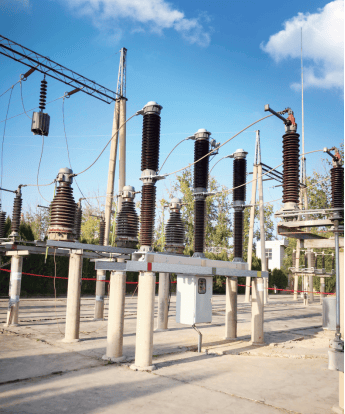
145kV Porcelain Column Type Sulfur Hexafluoride Circuit Breaker
TBEA ZONFA Shanghai High Voltage Switchgear Co., Ltd.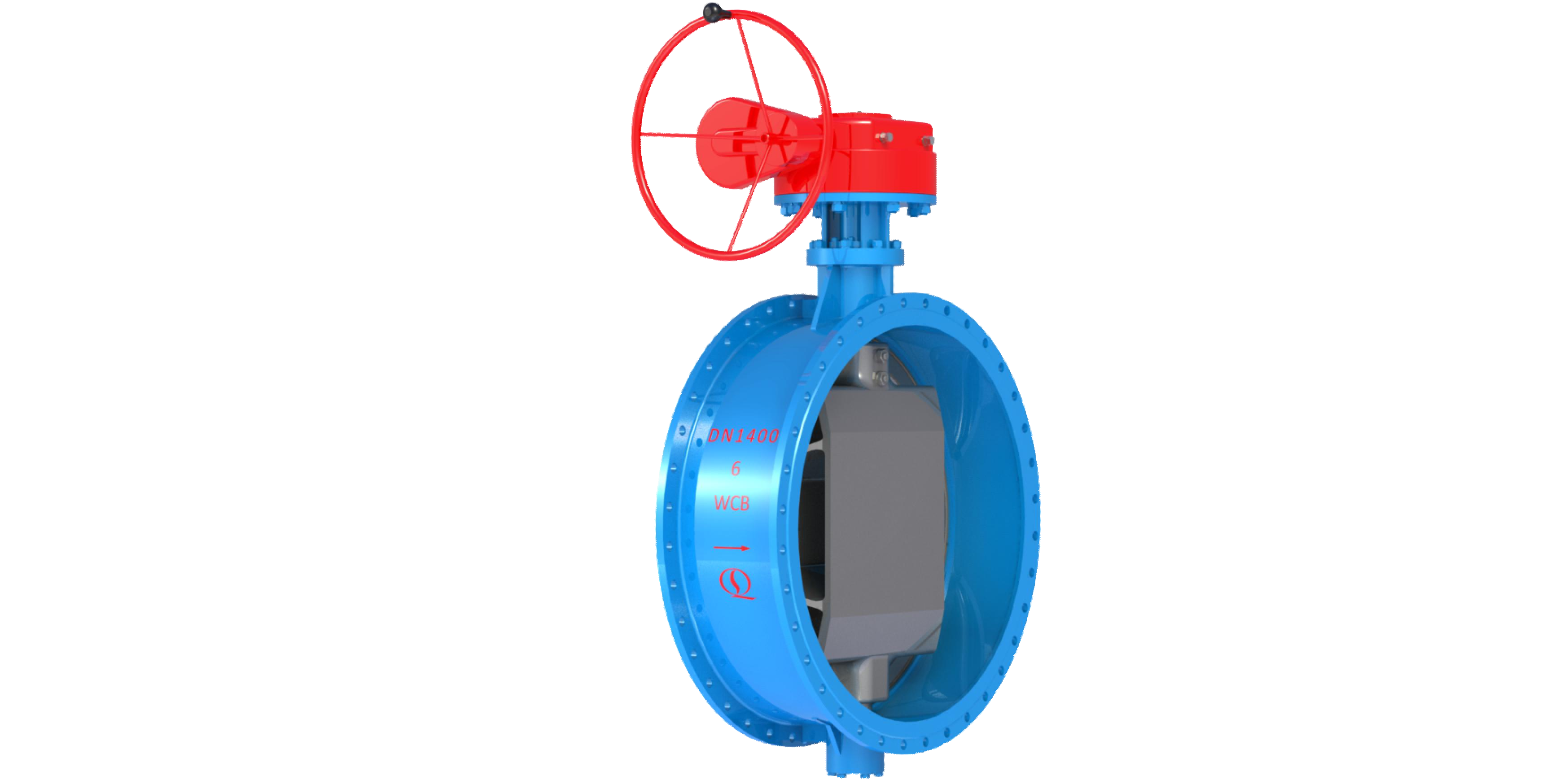
Bidirectional Metal Hard Sealed Seawater Butterfly Valve
Henan Quanshun Flow Control Science & Technology Co., Ltd.

Ceiling light | led Ceiling Light | LED Indoor light | LED Ceiling lighting
Queendom Group Technology Co., Ltd.
Ultra-Pure Ferrite Stainless Steel Products
Gansu JISCO Group Hongxing Iron and Steel Co., Ltd.