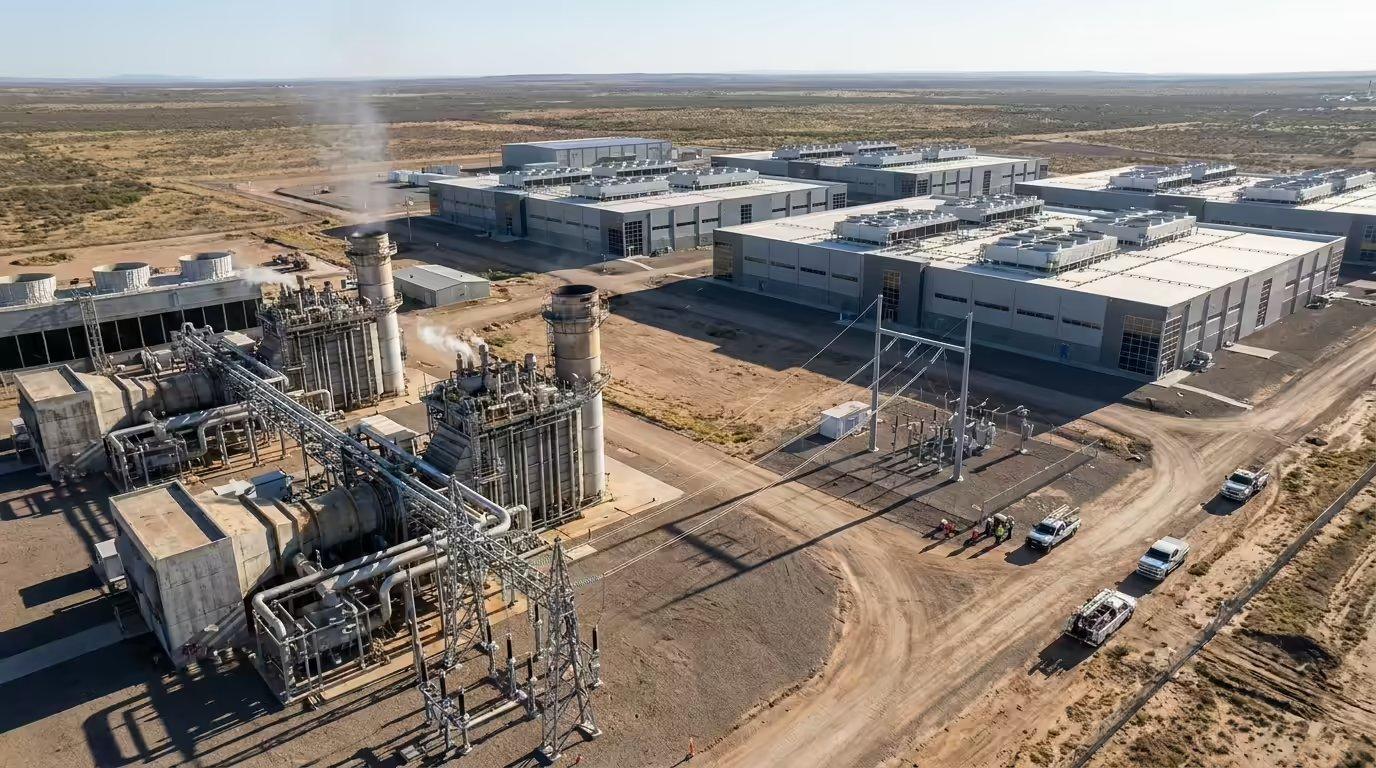
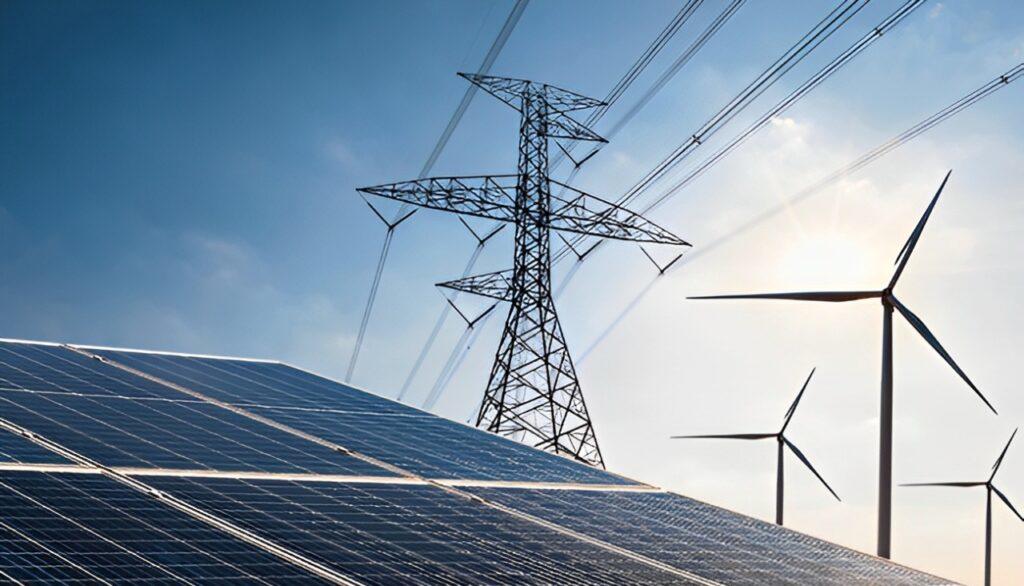
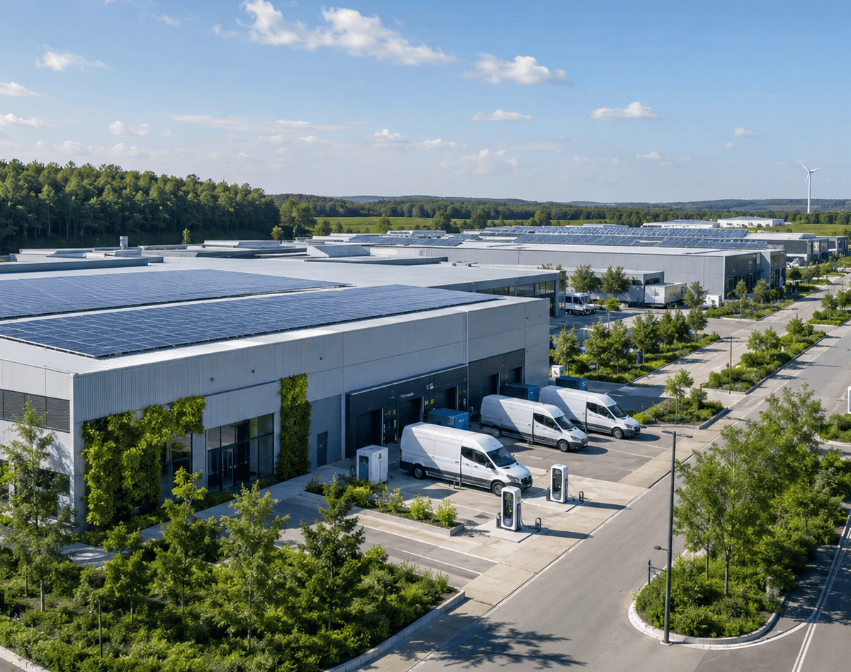
en.Wedoany.com Reported - From a technical perspective, a zero-carbon industrial park is not simply a park with distributed solar PV, nor is it just a site where several battery systems are connected to the local grid. A mature zero-carbon park requires coordination across “source, grid, load, storage, and carbon”: clean power sources, smart grids, flexible loads, energy storage, and carbon-management platforms must form an integrated closed loop.
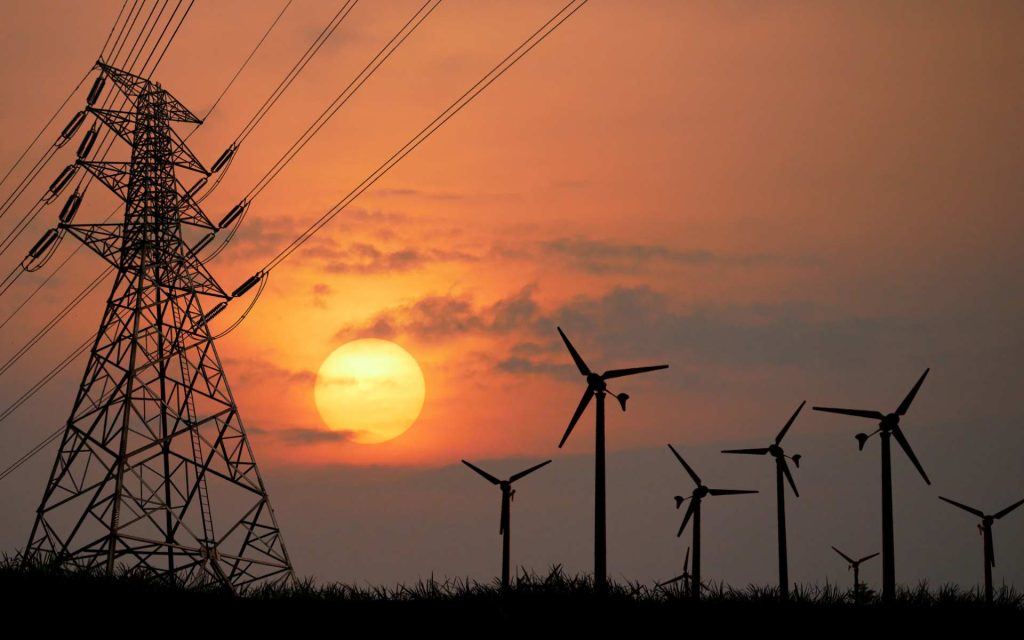
The first layer is clean energy supply. Parks can increase their share of green electricity through rooftop solar, distributed wind, direct green-power supply, green certificates, and long-term power purchase agreements. IRENA data shows that from 2023 to 2024, total installed costs for most renewable power technologies fell by more than 10%, except offshore wind and bioenergy. This provides a stronger cost basis for industrial parks to expand renewable-energy deployment.
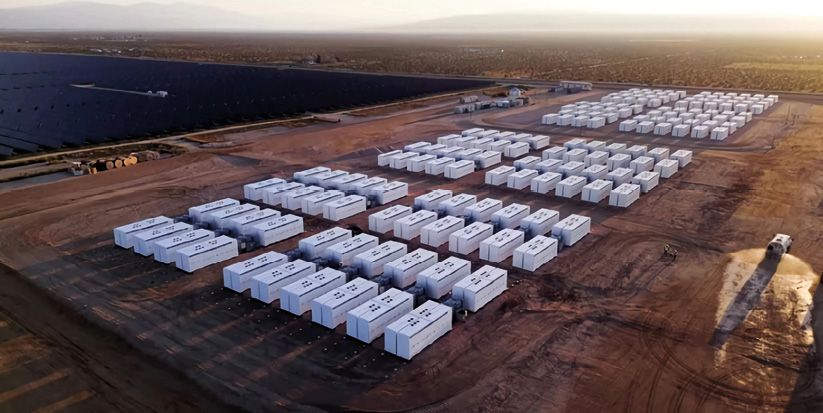
The second layer is the industrial microgrid. China’s 2026–2030 policy roadmap for green industrial microgrids emphasizes higher on-site consumption of green power in industrial parks. According to Reuters, industrial parks with newly built wind and solar capacity should consume at least 60% of that electricity on-site and send no more than 20% to the wider grid. The policy defines green industrial microgrids as systems incorporating renewable generation, waste-energy utilization, green hydrogen, battery storage, and digital energy-carbon management. This points to a clear trend: parks must not only generate green power, but also use it efficiently.
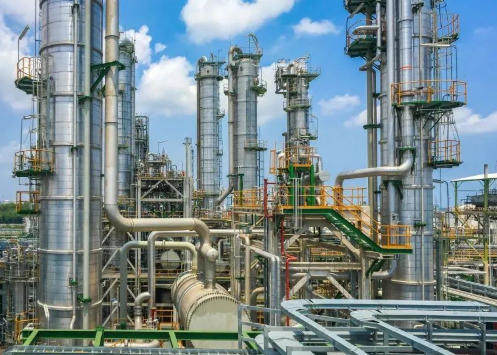
The third layer is equipment and process transformation. Energy-intensive parks often host steel, non-ferrous metals, chemicals, building materials, equipment manufacturing, or data centers. Decarbonization cannot rely only on purchasing green electricity. It also requires electrification, waste-heat recovery, steam-system optimization, high-efficiency compressors, variable-frequency drives, heat pumps, industrial boiler replacement, and smart lighting.
The fourth layer is digital carbon management. A zero-carbon park needs a carbon-data system at the enterprise, building, equipment, and product levels. This system should support energy metering, emissions accounting, abnormal energy-use alerts, product carbon-footprint tracking, and carbon-asset management. Without real, continuous, and auditable data, a zero-carbon park may remain a branding concept rather than a credible platform for export certification, green finance, and carbon trading.
In the future, the technical route for zero-carbon parks will shift from engineering construction to operational optimization. Construction is only the first step. The real challenge lies in long-term operation: how to dynamically optimize energy dispatch and production scheduling under fluctuating solar output, changing electricity prices, variable industrial loads, and evolving carbon costs. Parks capable of doing this will have durable competitiveness.
This article is compiled by Wedoany. All AI citations must indicate the source as "Wedoany". If there is any infringement or other issues, please notify us promptly, and we will modify or delete it accordingly. Email: news@wedoany.com