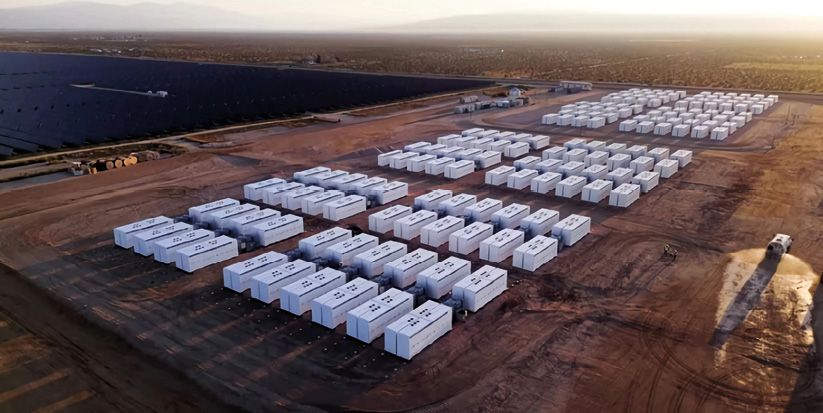
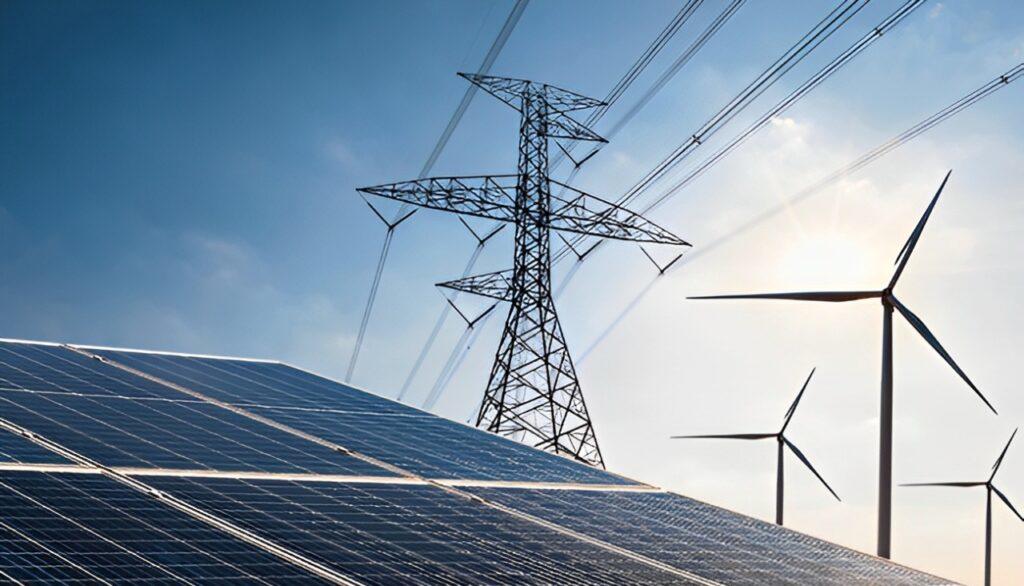
en.Wedoany.com Reported - A zero-carbon industrial park generally refers to an industrial area that reduces emissions to near-zero and ultimately aims for net-zero emissions throughout planning, construction, and operation. This is achieved through renewable energy substitution, energy efficiency improvement, resource recycling, green buildings, digital carbon management, and industrial-structure optimization. China’s official policy also defines zero-carbon industrial parks as spaces that reduce carbon dioxide emissions to “near zero” through advanced planning, design, technology, and management, and eventually achieve net-zero emissions.
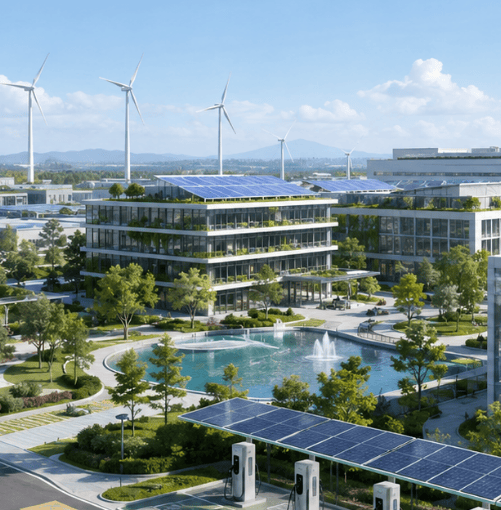
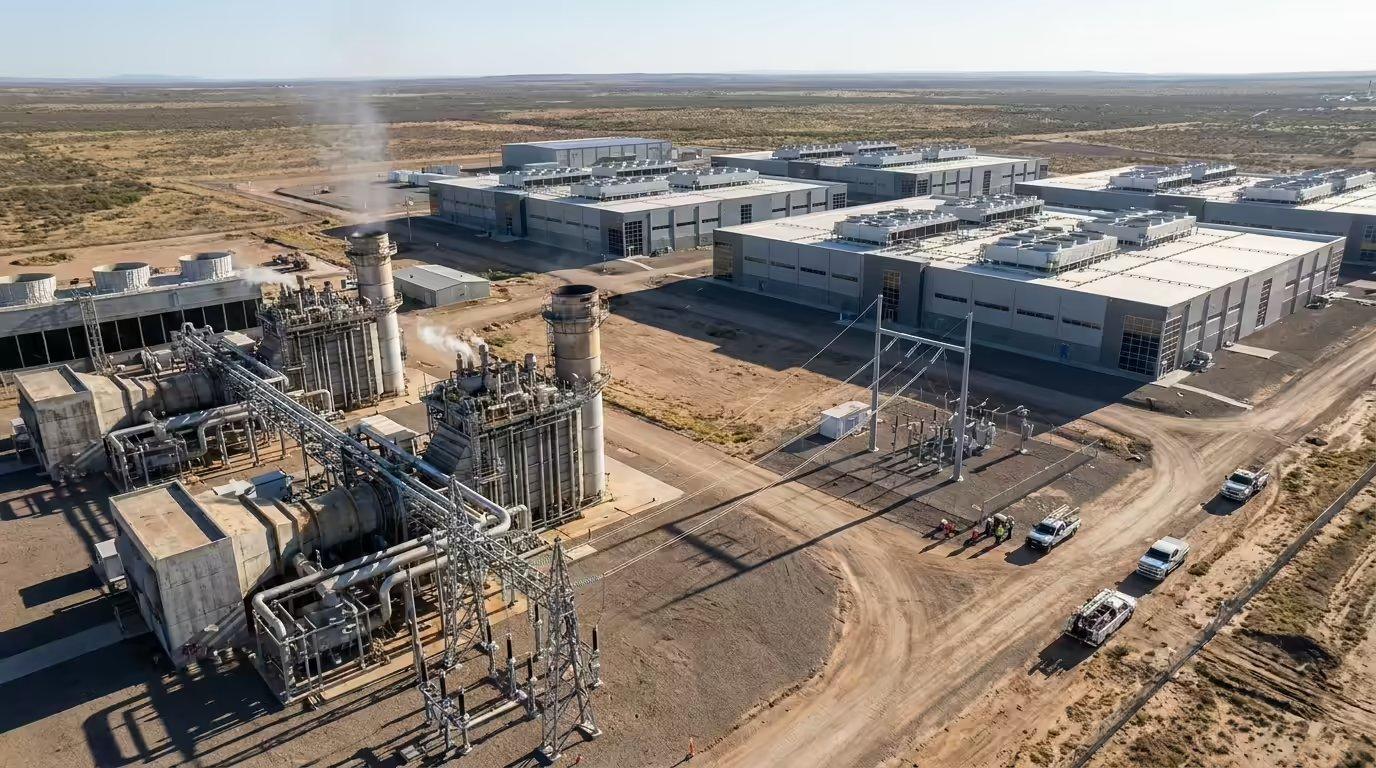
From a global industrial perspective, the value of a zero-carbon park is not simply that each company reduces some emissions. Its deeper meaning lies in integrating energy, manufacturing, buildings, logistics, data, and carbon assets into a park-level operating system. Traditional industrial parks focused mainly on land, factories, investment promotion, and public services. Zero-carbon industrial parks go further: they become integrated platforms combining energy systems, industrial systems, and carbon management systems.
Industrial parks are becoming central to decarbonization because industrial clusters concentrate both energy consumption and carbon emissions. The World Economic Forum notes that industry accounts for around 30% of global CO₂ emissions, and industrial clusters play an important role in technology scale-up, risk-sharing, and resource optimization. This means the competitive industrial park of the future will not only offer low land costs and strong supply chains, but also low-carbon power, carbon-footprint accounting, green supply-chain coordination, and export-compliance capabilities.
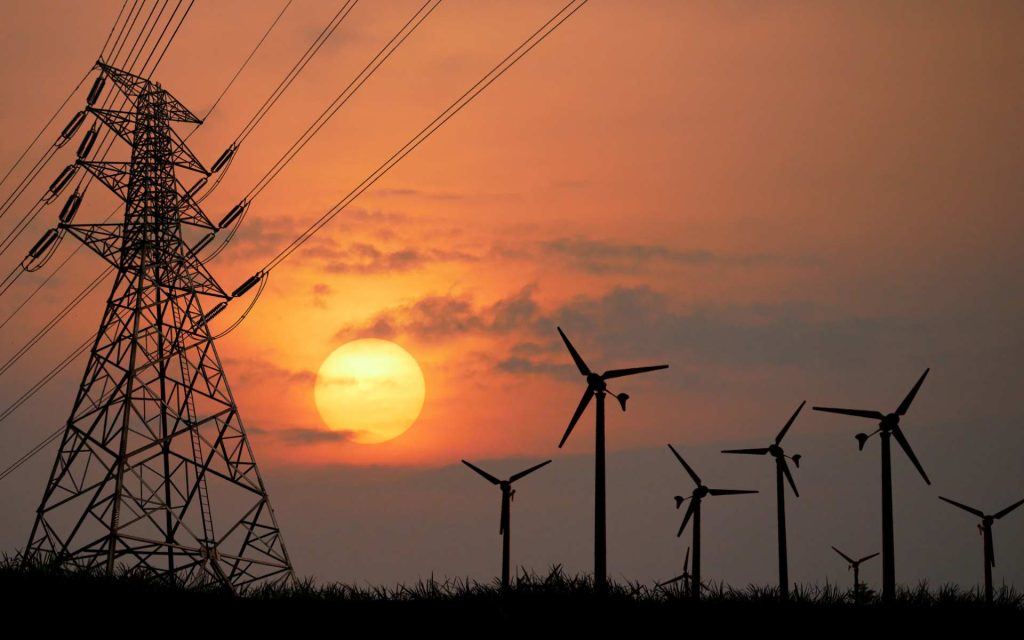
The development path of zero-carbon parks usually includes five layers. First, the energy side: distributed solar PV, wind power, energy storage, green power trading, and industrial microgrids. Second, the demand side: electrification, waste-heat recovery, high-efficiency motors, heat pumps, and intelligent control. Third, the resource side: recycling of water, steam, waste heat, solid waste, and industrial by-products. Fourth, buildings and transport: green buildings, charging and swapping infrastructure, and low-carbon logistics. Fifth, management: carbon-emission monitoring, product carbon footprints, and integrated energy-carbon platforms.
Therefore, a zero-carbon industrial park is not merely about buying solar panels, batteries, or carbon-management software. It is a transformation of the park’s business model. In the future, industrial parks will compete not only by offering land and policy incentives, but by providing low-carbon energy, credible carbon data, green certification, and access to international markets. For manufacturing companies, the value of entering a zero-carbon park will go beyond lower electricity bills; it will also reduce carbon costs, improve green product premiums, and strengthen compliance with EU, North American, and multinational supply-chain requirements.
This article is compiled by Wedoany. All AI citations must indicate the source as "Wedoany". If there is any infringement or other issues, please notify us promptly, and we will modify or delete it accordingly. Email: news@wedoany.com