The most common misunderstanding in BIPV projects is treating completion as the endpoint. In reality, Building-Integrated Photovoltaics is both a building component and a power-generating asset. Its real value appears over more than 20 years of operation. Long-term waterproofing, wind resistance, fire safety, stable generation and maintainability determine final returns.
Unlike conventional PV, BIPV maintenance covers not only electrical equipment but also building details. Module degradation, inverter failures, overheated connectors, cable aging, façade sealant failure, roof waterproofing aging, blocked drainage and mounting corrosion can all affect both generation and building safety. Without a complete O&M strategy in the early stage, later problems become increasingly difficult to manage.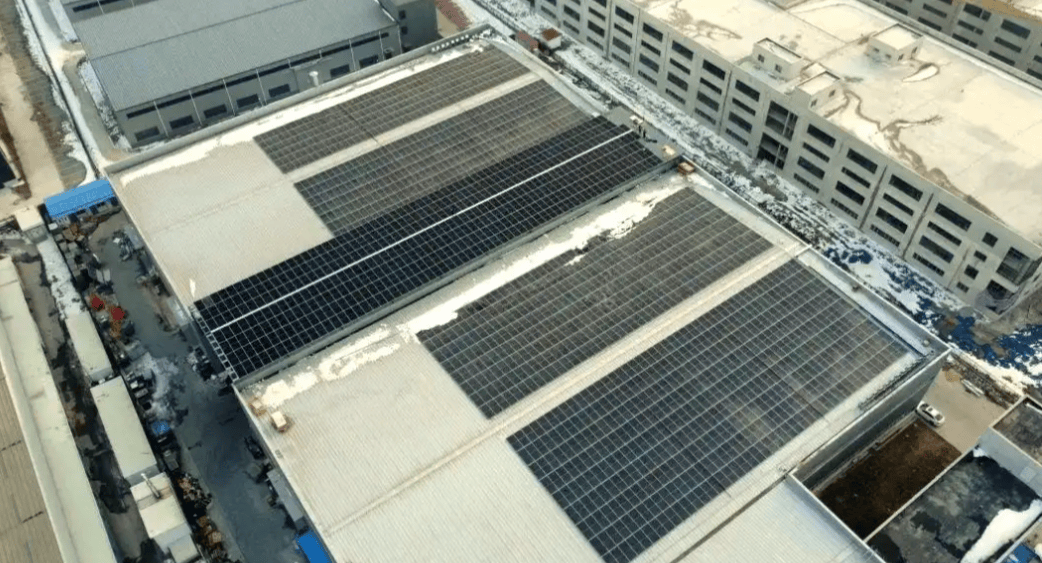
Long-term value management should begin during design. Integrators should create digital project files covering module models, installation locations, cable routes, inverter numbers, waterproofing details, structural connections, warranty boundaries and maintenance paths. After commissioning, monitoring systems, infrared inspections, UAV inspections and periodic building checks should manage generation abnormalities and building risks together.
Asset management must also focus on revenue stability. BIPV generation is affected by shading, soiling, orientation, changes in building use and new surrounding buildings. Projects should establish baseline generation models and regularly compare actual generation with theoretical generation to identify soiling, shading, equipment faults or module degradation.
In the future, the BIPV industry will shift from engineering delivery to long-term operation. Professional companies will not merely install modules on buildings; they will provide life-cycle services covering design, construction, grid connection, monitoring, maintenance, warranty and revenue optimization. BIPV is not a one-time project. It is a building energy asset management capability.