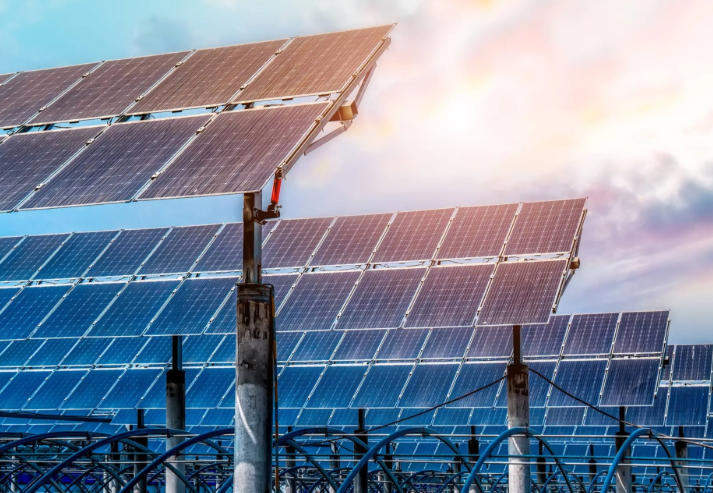
The BIPV Market Is Expanding Fast, but the Industry Should Not Focus Only on Installation Area
The BIPV market is entering a fast-growth stage. Grand View Research estimates that the global Building-Integrated Photovoltaics market was valued at USD 23.67 billion in 2023 and is projected to reach USD 89.8 billion by 2030, growing at a CAGR of 21.2% from 2024 to 2030. Growth is driven by lower PV costs, rising demand for green buildings, distributed energy policies and building decarbonization.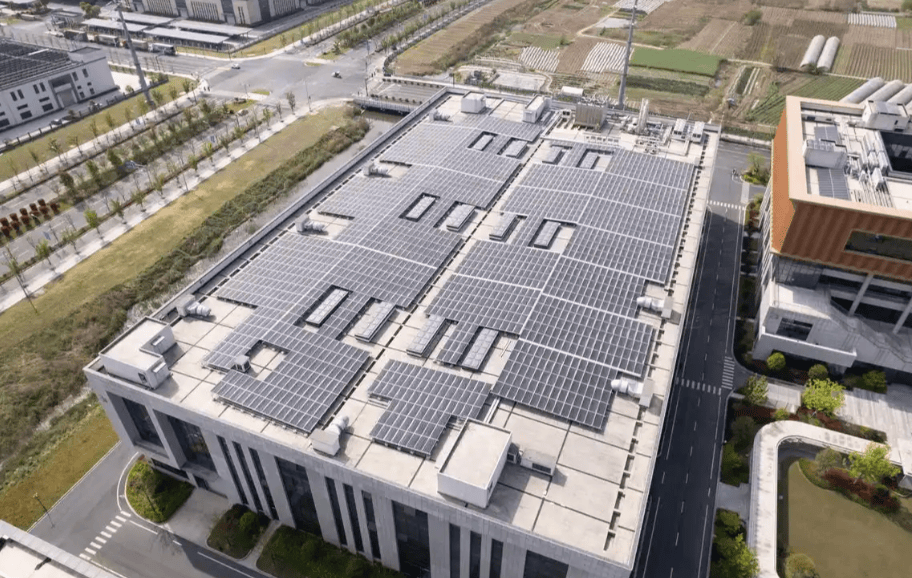 However, rapid market growth does not mean all BIPV projects are high quality. A common misunderstanding is treating BIPV simply as “more PV surface area on buildings.” In reality, BIPV quality should not be measured only by installed square meters. It should be evaluated by whether building functions are intact, the generation system is stable, safety boundaries are clear, maintenance is sustainable and life-cycle returns are reasonable.
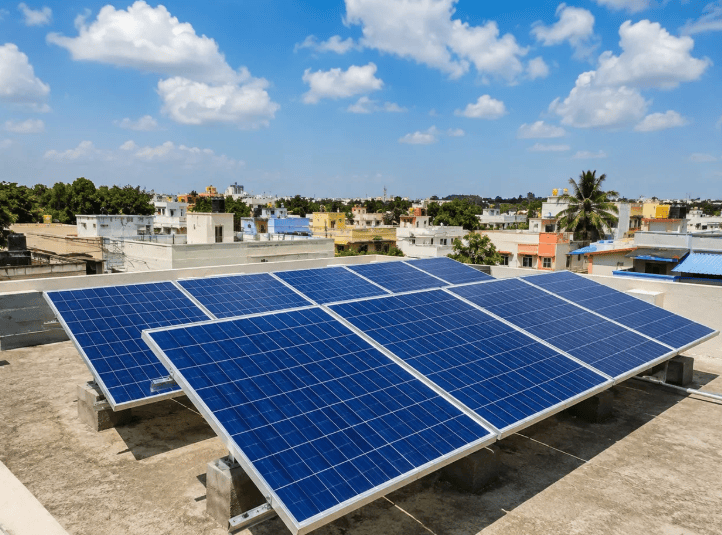
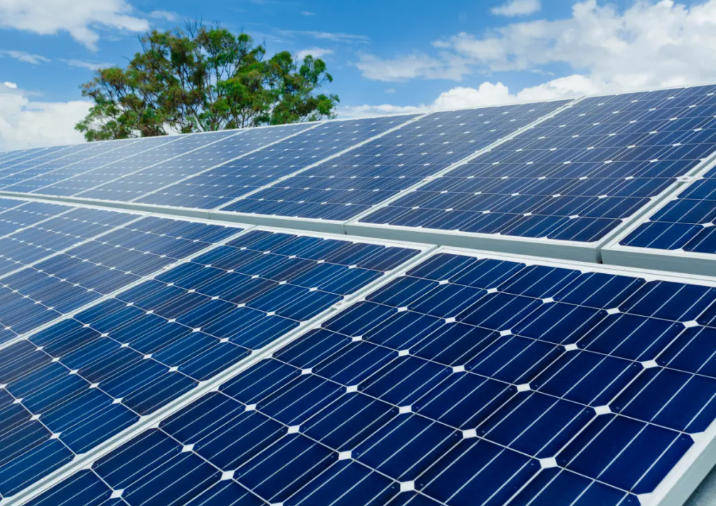
BIPV applications include PV roofs, PV façades, PV skylights, PV shading systems and PV balustrades. Each form has different technical priorities. PV roofs require waterproofing, load-bearing capacity, wind resistance and maintenance access. PV façades require structural connections, fire safety, visual quality and thermal performance. PV skylights must balance light transmittance, generation, shading and indoor thermal comfort. PV shading systems must combine building energy-saving value with electricity generation.
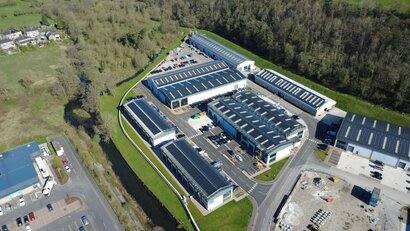
The future of the industry is not blind expansion of BIPV area, but improved scenario matching. Public buildings are suitable for high-standard PV façades and skylights with demonstration value. Industrial buildings are suitable for economically clear PV roofs. Commercial buildings can combine BIPV with shading, façade renovation and green certification. Industrial parks can coordinate BIPV with storage, EV charging and energy management systems.
A professional BIPV project should complete three assessments before approval: architectural adaptability, generation revenue and safety/O&M feasibility. Only when architectural logic, energy logic and business logic are all satisfied can Building-Integrated Photovoltaics move from demonstration concepts to large-scale deployment.
Related Products

Hydrogen Production Technology: Hydrogen Purification by Pressure Swing Adsorption
Chengdu Yizhi Technology Co., Ltd.
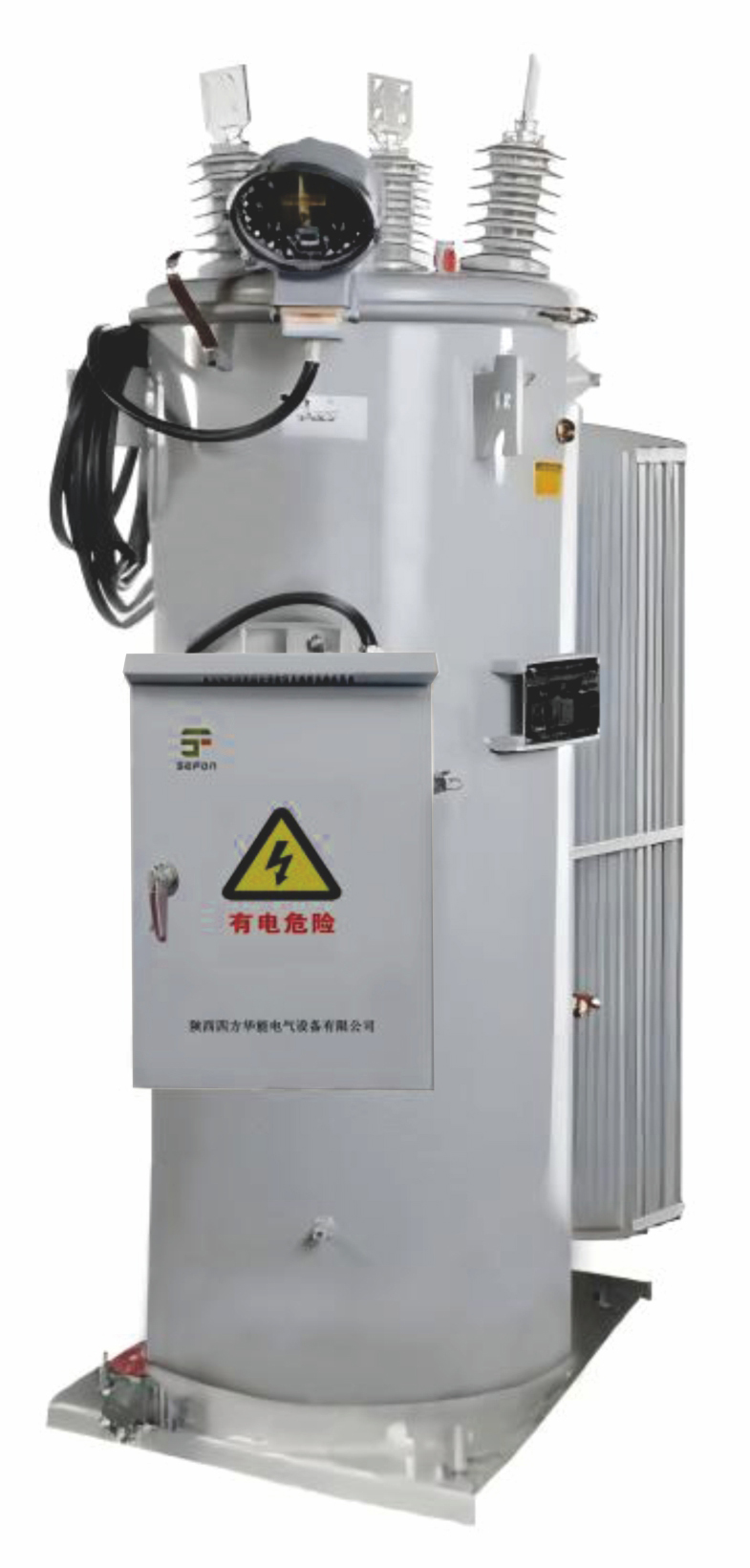
Single-Phase Automatic Voltage Regulator(AVR)
Shaanxi Sefon Electrical Equipment Co.,Ltd.
Hydraulic Turbine Genset
Dongfang Electric Corporation Dongfang Electric Machinery Co., Ltd.
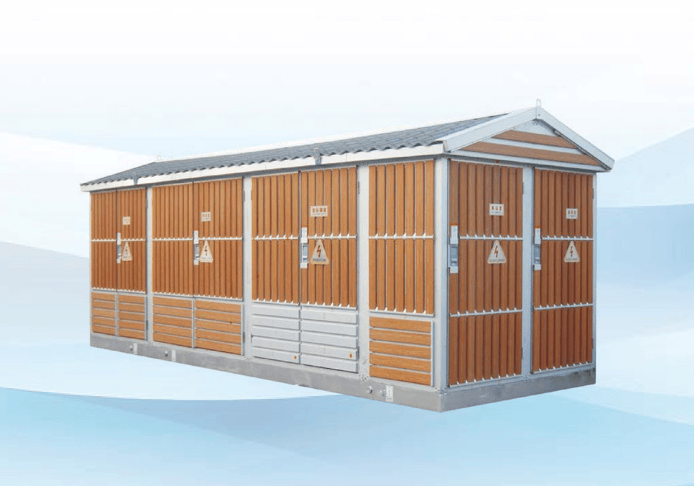
YB □ -12/0.4/1250 Outdoor Prefabricated Substation (European Style)
Shangrao Shangyu Intelligent Electric Co., Ltd.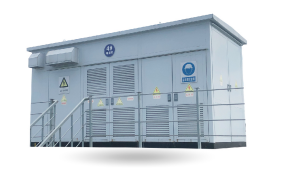
Smart Photovoltaic Prefabricated Substation
Shanghai Jinyou Jinhong Intelligent Electric Co., Ltd.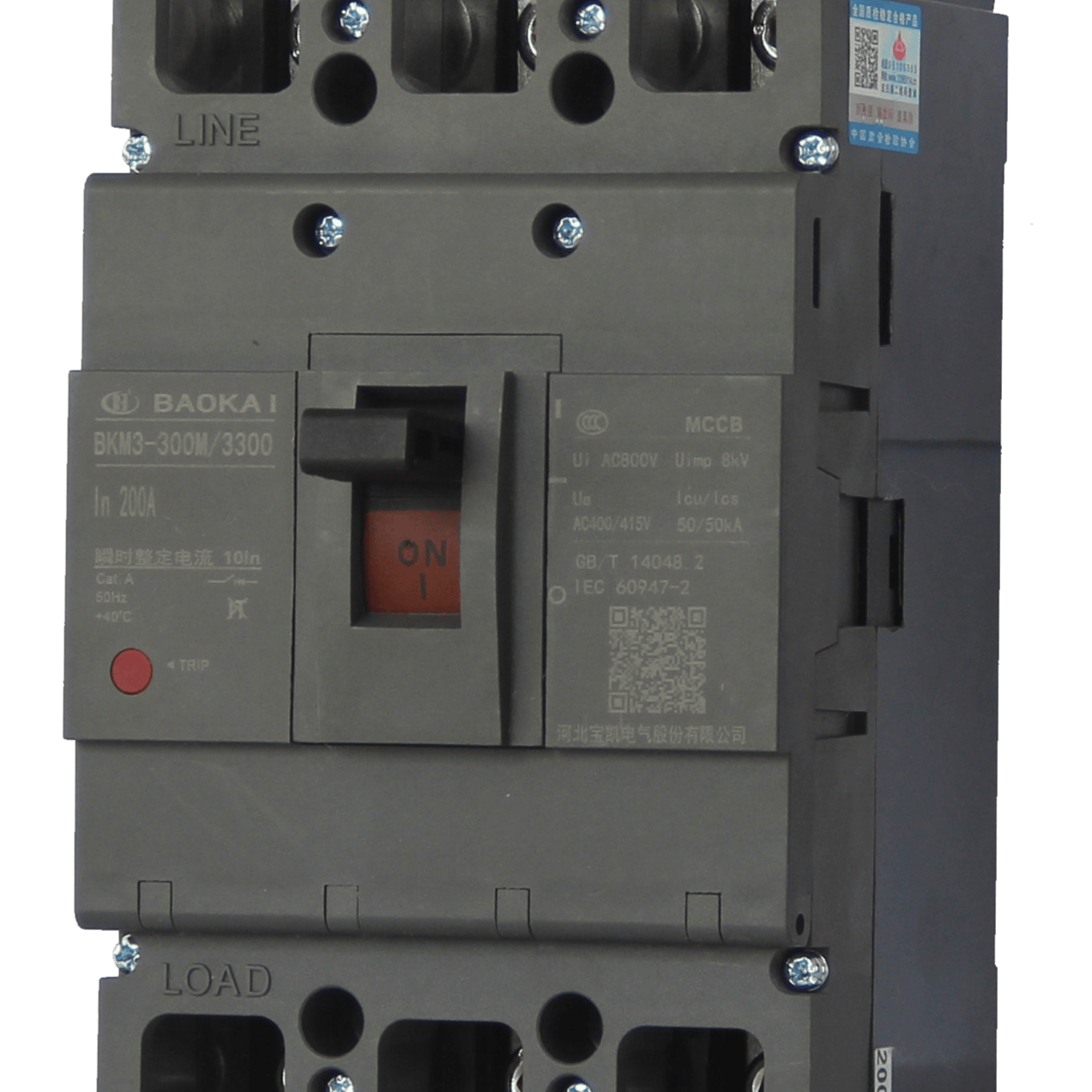
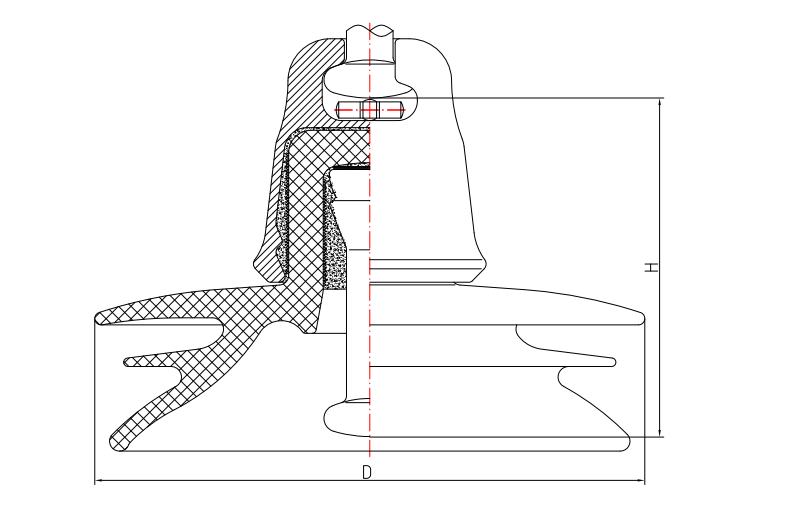
Post-type AC Pollution-resistant Disc Suspension Porcelain Insulator (Triple Umbrella Type)
Shandong High Voltage Insulator Co., Ltd.