Opportunities and Risks of PV Façades: BIPV Must Look Beyond Appearancea
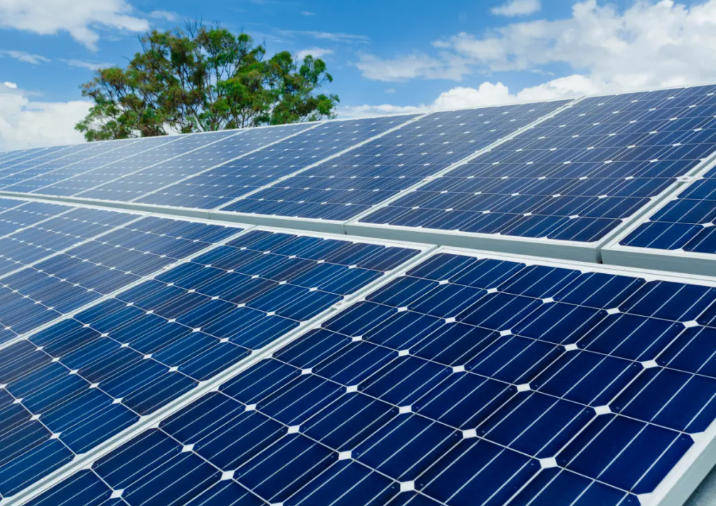
PV façades are one of the most representative applications of Building-Integrated Photovoltaics, especially for office buildings, commercial complexes, exhibition halls, transport hubs and public buildings. They can turn building façades into power-generating surfaces while strengthening a building’s green image. However, PV façades are also one of the most technically complex BIPV scenarios and should not be designed for appearance alone.
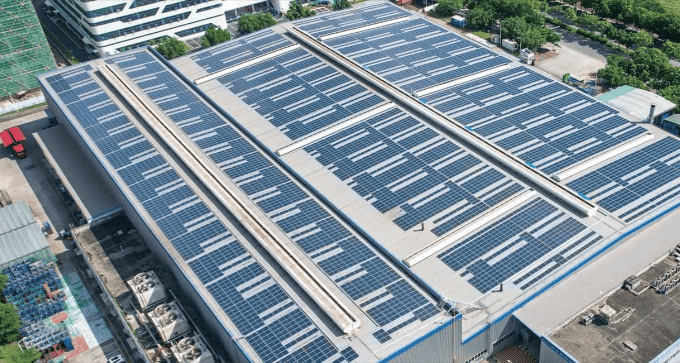 Research shows that façade PV has significant potential. A 2024 study on global façade and rooftop PV potential across 120 typical cities found that, among cities with favorable façade PV performance, the average ratio of façade PV potential to rooftop PV potential was about 68.2%. Around 17.5% of the samples even showed higher façade PV potential than rooftop PV potential. This suggests that façades should not be ignored in high-density cities.
Compared with ordinary curtain walls, PV façades add requirements for power generation, electrical connection, module replacement, thermal management and fire safety. As exterior wall materials, PV modules must meet wind pressure resistance, air tightness, water tightness, weather resistance, structural connection and fire compartmentation requirements. At the same time, DC cables, junction boxes, combiner routes and inverter locations must be coordinated with curtain wall structures to avoid difficult maintenance.
The energy yield of PV façades also requires realistic assessment. Façade modules are usually close to vertical, so their generation profile differs from rooftop PV. Orientation, shading, urban canyon effects and reflected light all matter. South-facing façades usually perform better. East- and west-facing façades may provide morning or afternoon value. North-facing façades require careful economic evaluation.
A professional PV façade project should first conduct façade zoning analysis, rather than covering the entire building uniformly. Orientation, shading, visual requirements, maintenance access and fire boundaries should determine which façades are suitable for PV and which are better left as conventional curtain wall materials. The success of PV façades is not making the whole building generate electricity, but turning the right surfaces into reliable long-term energy interfaces.
Related Products
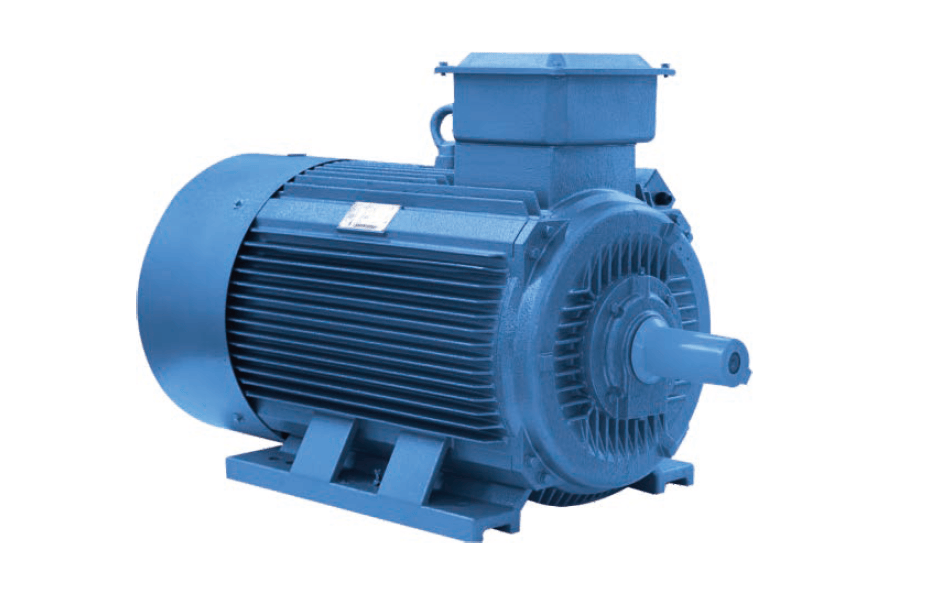

TYC Series High-Efficiency Permanent Magnet Synchronous Motor
Xiangdian Smart Energy Technology Co., Ltd.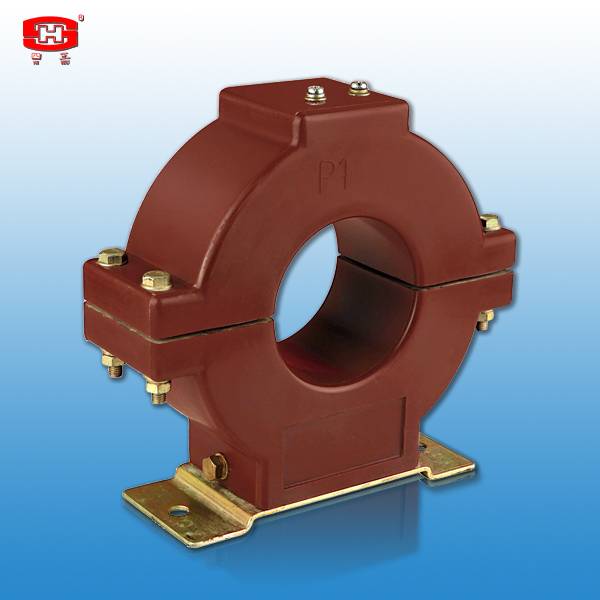
0.66kV Power Supply Instrument Transformer
Guangdong Sihui Instrument Transformer Works Co., Ltd.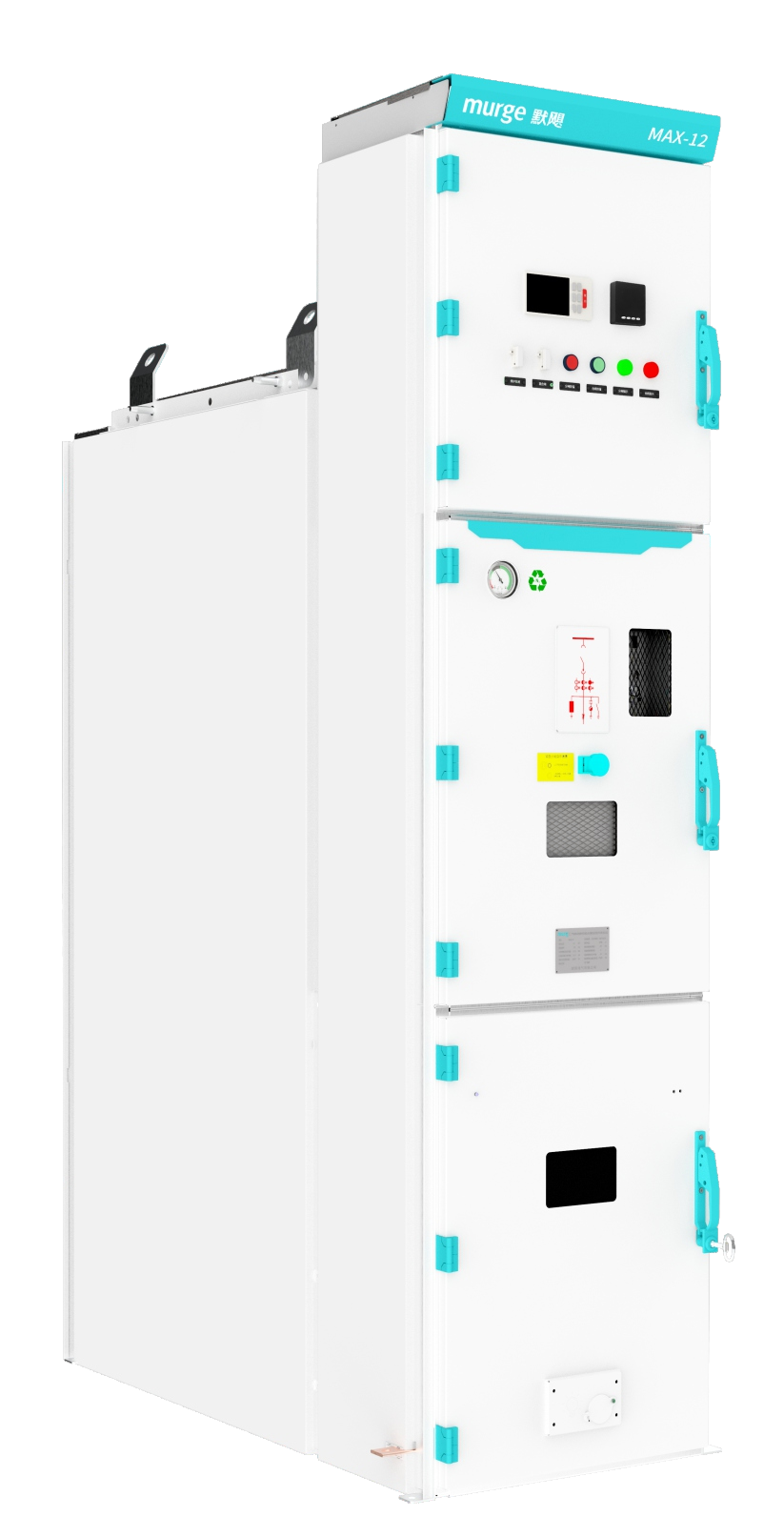
MAX-12 series Environmental Protection/SF6 gas insulated switchgear (C-GIS)
Murge Electric Co.,Ltd.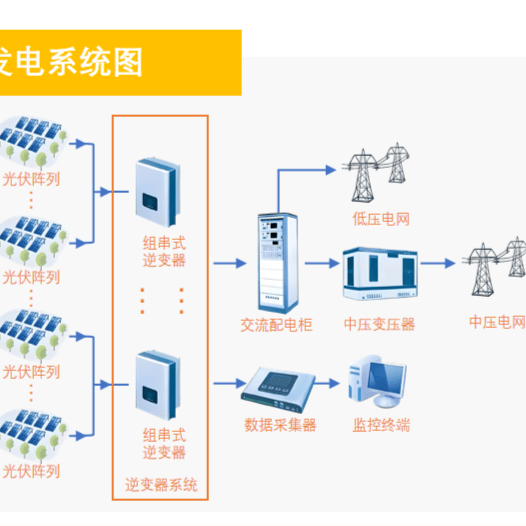
Photovoltaic and Wind Power Generation Technology
Beijing Boqi Electric Power SCI-TECH Co., Ltd.

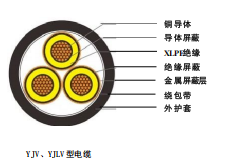
Rated Voltage 6-35kV Cross-linked Polyethylene Insulated Power Cable
TONGDING INTERCONNECTION INFORMATION CO., LTD.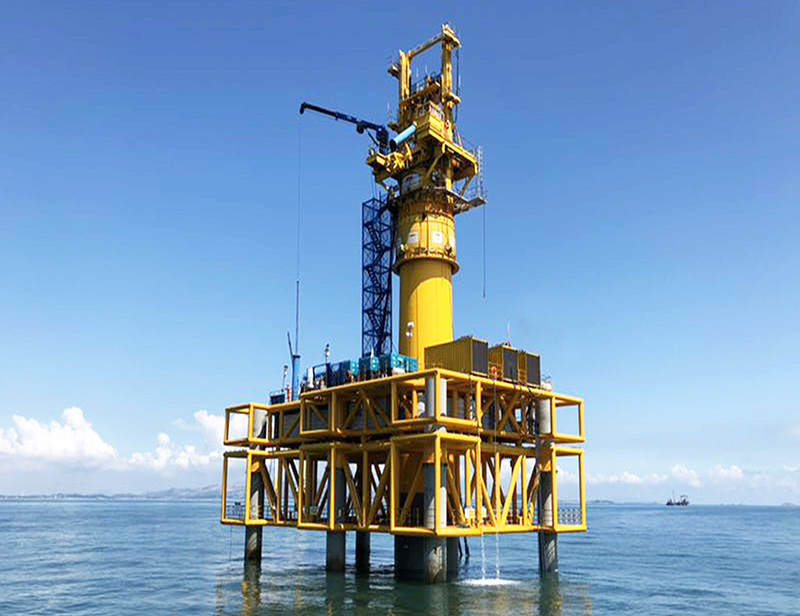
CITIC Heavy Industries Offshore Wind Power Equipment Hydraulic Pile Hammer
CITIC Heavy Industries Co., Ltd.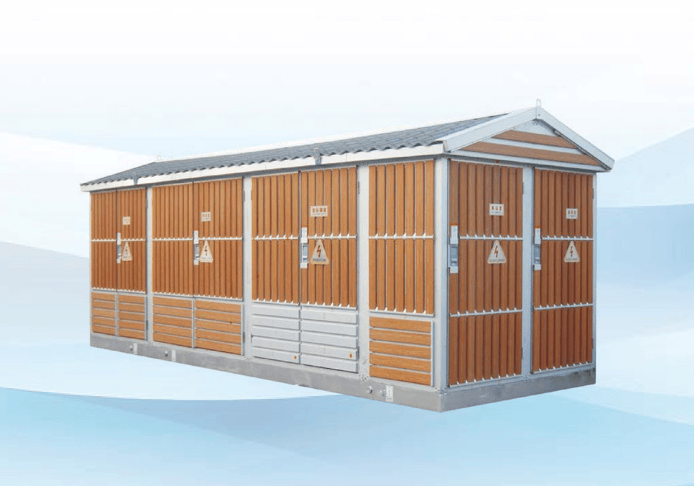
YB □ -12/0.4/1250 Outdoor Prefabricated Substation (European Style)
Shangrao Shangyu Intelligent Electric Co., Ltd.
KYN28A-12 Metal Armored Removable Switchgear
Tianjin Ping Gao Intelligent Electric Co., Ltd.