BIPV Safety Must Not Be Underestimated: Fire, Waterproofing and Electrical Protection Are Baselines
The defining feature of BIPV is deep integration between the PV system and the building itself. This brings advantages in aesthetics, energy saving and space use, but it also makes safety boundaries more complex. Building-Integrated Photovoltaics is not ordinary PV simply attached to buildings. It is an integrated engineering system involving structure, fire compartments, roof waterproofing, façade safety, electrical protection and maintenance safety.
The first safety risk comes from the electrical side. Improper DC cable routing, poor connector quality, module hot spots and incorrect inverter protection can lead to arc faults, overheating and system shutdowns. Compared with ground-mounted PV plants, BIPV is closer to occupied spaces and building equipment, making faults more sensitive in impact.
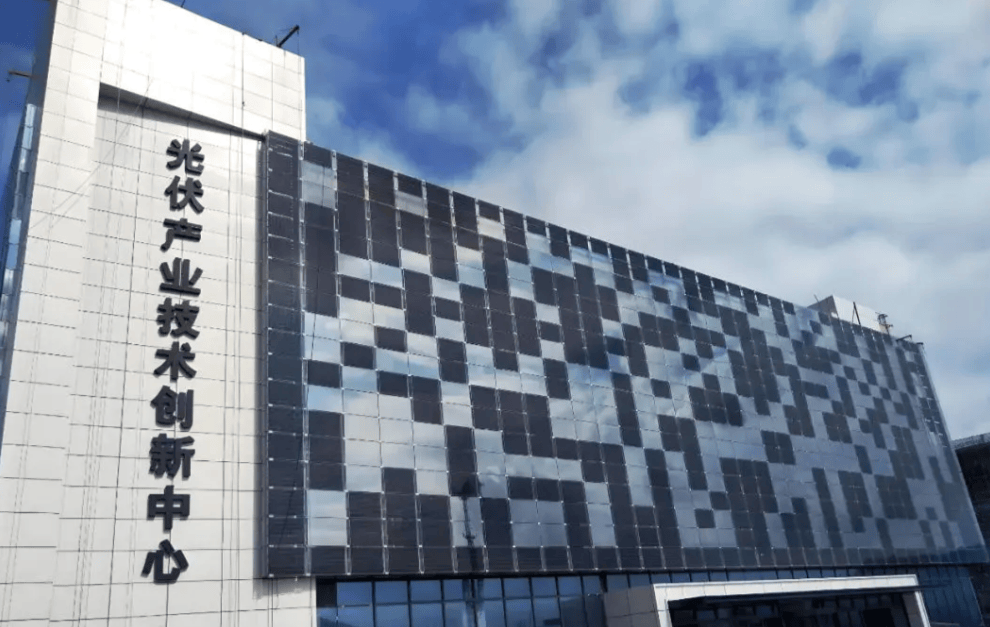 The second risk is on the building side. If waterproofing details are poor in PV roofs, leakage may affect building use. If structural connection, wind resistance or fire design is insufficient in PV façades, the consequence is not only generation loss but building safety risk. PV skylights must also consider glass breakage, falling risk, smoke control and fire-maintenance requirements.
The third risk is maintenance. Many BIPV projects look complete from outside, but lack maintenance access, anchor points, disconnect switch locations or module replacement plans. After commissioning, if faults occur, maintenance teams may not safely reach the fault point, allowing small issues to become major problems.
Safety design must be moved to the front of BIPV projects. During design, teams should complete fire review, electrical protection configuration, cable route planning, waterproofing details, structural load checks and maintenance access design. During construction, connector crimping, cable fixing, fire stopping, roof details and hidden works acceptance should be strictly controlled. After commissioning, monitoring, alarms, infrared inspection and periodic testing should be implemented.
As the industry grows quickly, safety baselines must not be ignored. The long-term value of BIPV is not supported by concepts or appearance, but by more than 20 years of safe, stable and maintainable operation.
Related Products


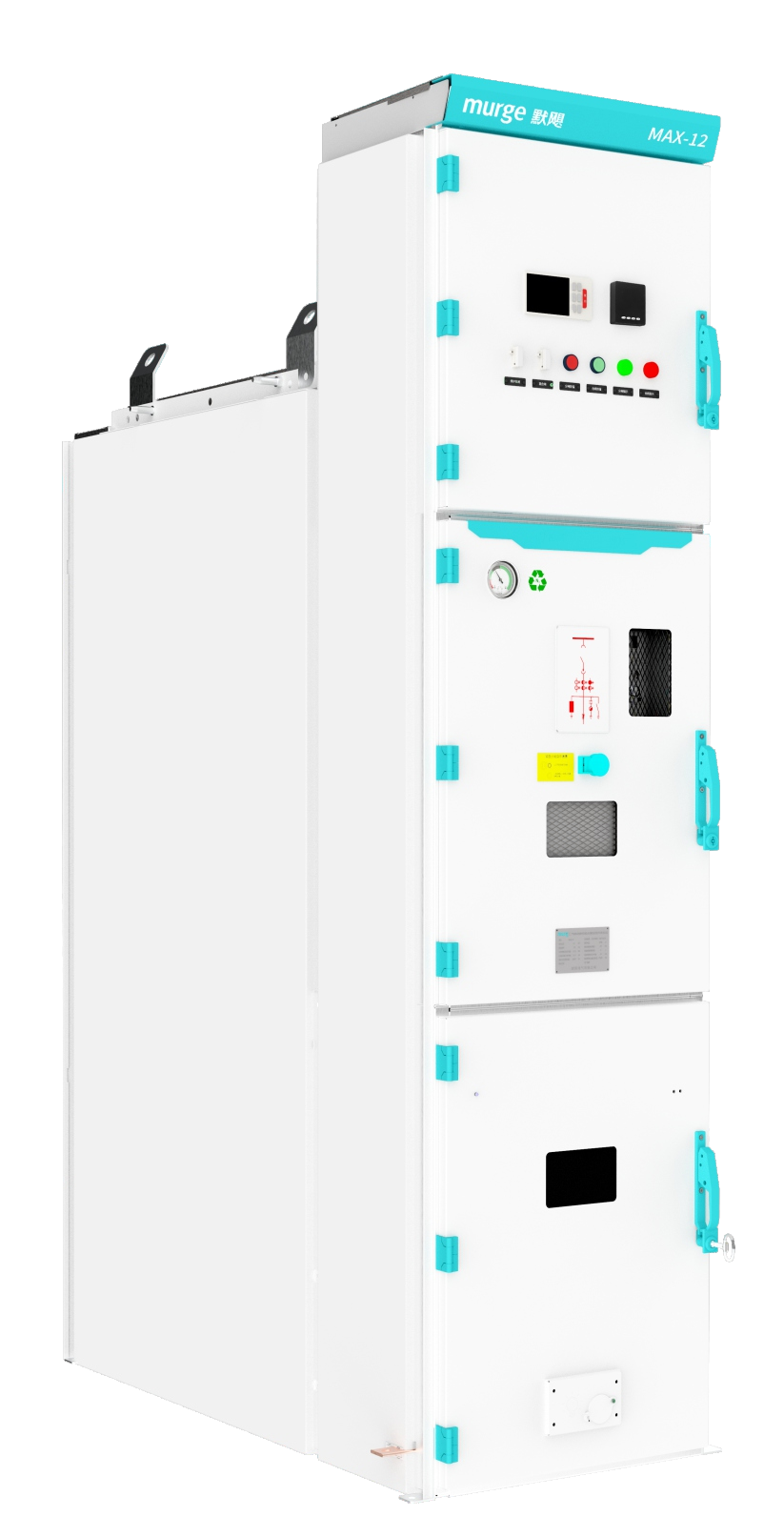
MAX-12 series Environmental Protection/SF6 gas insulated switchgear (C-GIS)
Murge Electric Co.,Ltd.
0.66kV Power Supply Instrument Transformer
Guangdong Sihui Instrument Transformer Works Co., Ltd.
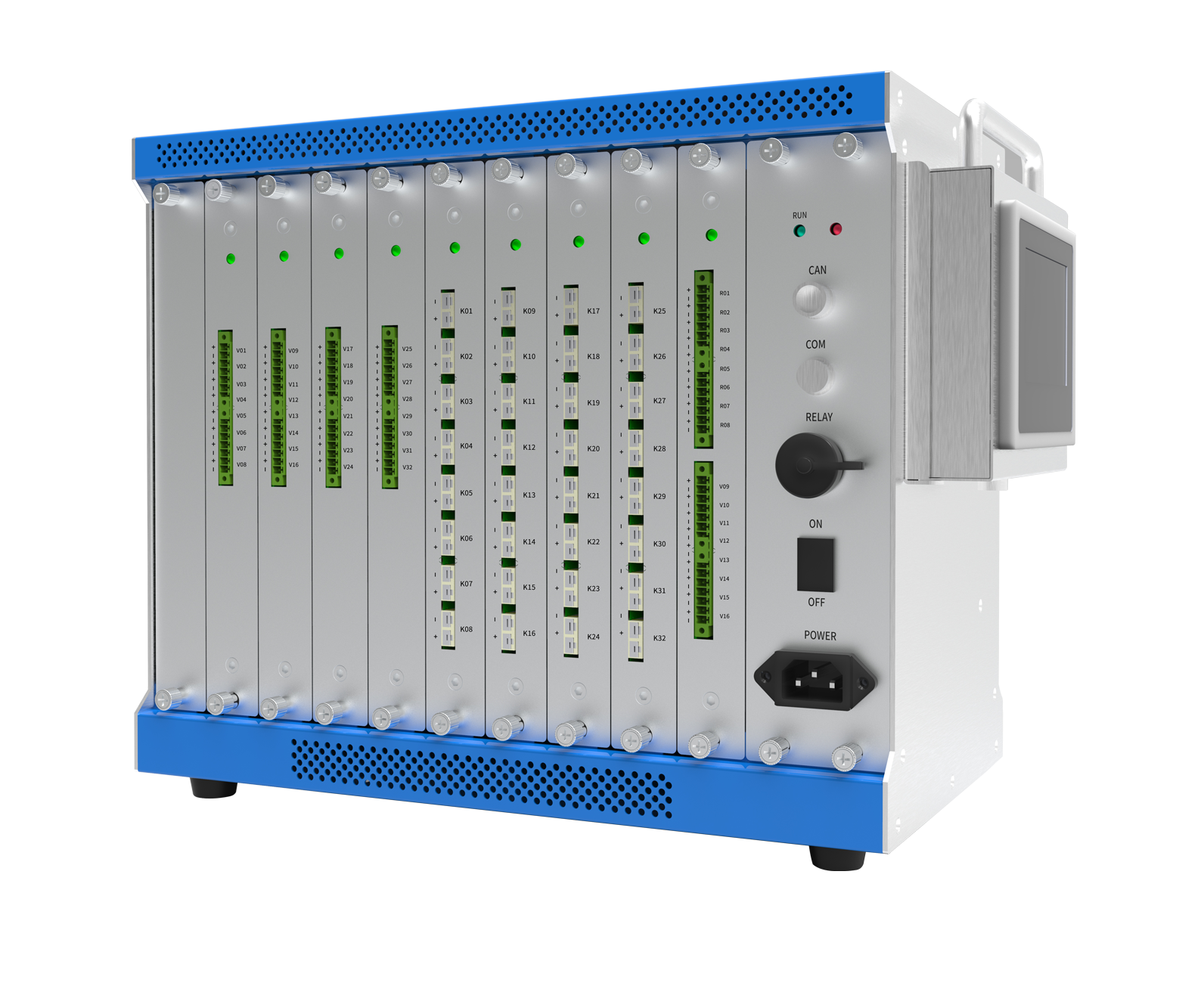
Optional Accessory - Auxiliary Sampling Module
Beijing Soaring Electric Technology Co., Ltd.
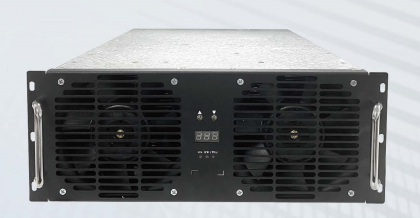
80kW Megawatt Supercharging Module TH80F10030C9
Shijiazhuang Tonhe Electronics Technologies Co., Ltd.