Brazil and other countries saw a year-on-year increase of 155 million barrels in crude oil exports from January to May 2026, leading the world
en.Wedoany.com Reported - South America has become the world's largest source of new crude oil export growth in early 2026. Commodity intelligence firm Kpler estimates that from January to May 2026, the region's crude oil exports increased by 155 million barrels compared to the same period last year, while the United States added 112 million barrels in new supply during the same period.

The increase in exports is mainly driven by sustained capacity expansion, and this growth trend will far exceed current market conditions. According to data from the U.S. Energy Information Administration, Brazil, Guyana, and Argentina together account for approximately 51% of the expected global crude oil production growth this year, while their combined global market share is only about 5.5%.
Full-year 2026 forecasts show that Brazil's average daily production is expected to reach 4 million barrels, mainly driven by increased output from new floating production storage and offloading (FPSO) units at Petrobras's Buzios field. In Guyana, after ExxonMobil's Yellowtail project reached full production by the end of 2025, the country's daily output exceeded 900,000 barrels; the Uaru project is expected to push daily production to 1 million barrels by 2027. Continued growth in Argentina's Vaca Muerta shale region is expected to boost the country's daily output to 810,000 barrels.
South America's supply expansion is putting competitive pressure on West African producers. Citigroup and Argus Media both note that lower-cost crude from Brazil and Guyana is squeezing Nigeria's export share in European and Chinese markets. Angola, where oil exports account for 93% of total exports and 58% of fiscal revenue, also faces a similar trend of being replaced. Unlike short-term price fluctuations, South America's supply expansion is driven by infrastructure, with its production growth largely locked in through the end of this decade. African producers competing for European and Asian buyers are facing a sustained shift in the Atlantic Basin supply landscape, with more production capacity in South America planned to come online before 2030.
Related Products
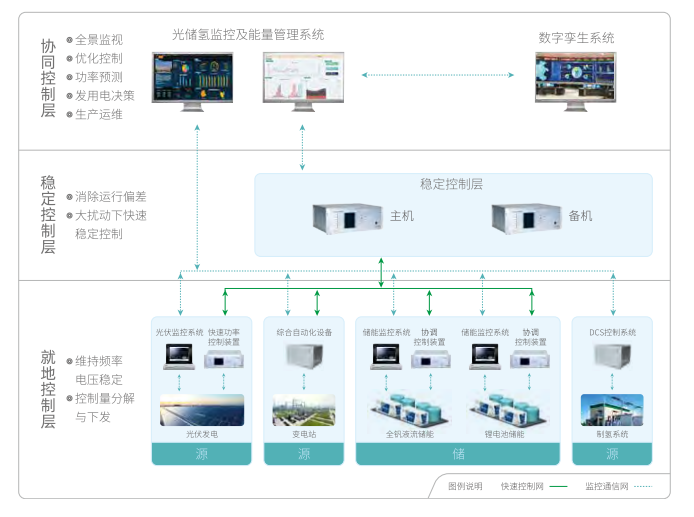

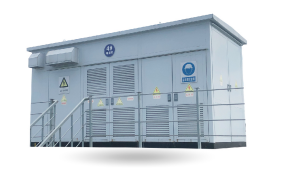
Smart Photovoltaic Prefabricated Substation
Shanghai Jinyou Jinhong Intelligent Electric Co., Ltd.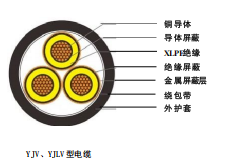
Rated Voltage 6-35kV Cross-linked Polyethylene Insulated Power Cable
TONGDING INTERCONNECTION INFORMATION CO., LTD.
Mineral-insulated Compact Busway (Fire-resistant Busduct)
Zhuhai Guangle Electric Busway Co., Ltd.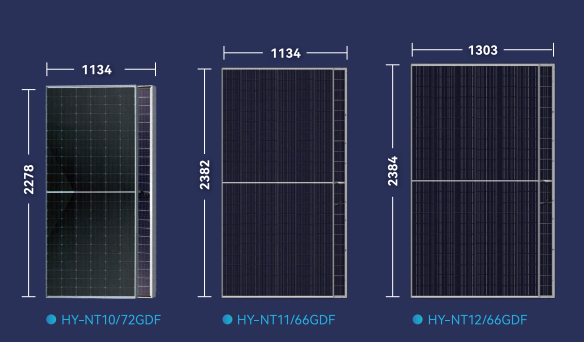
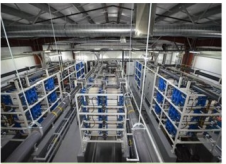
Perfluorinated Ionic Membrane-CM-10N Series Membrane
Guizhou Juneng Century Technology Co., Ltd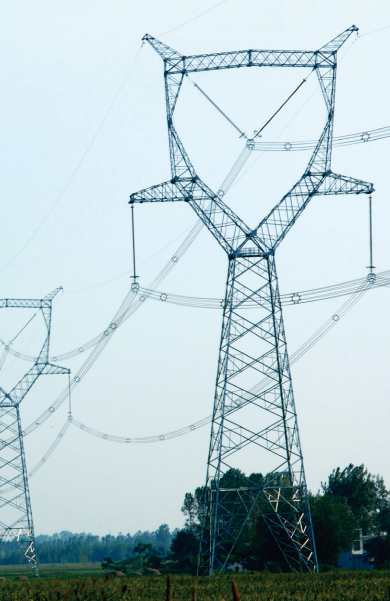
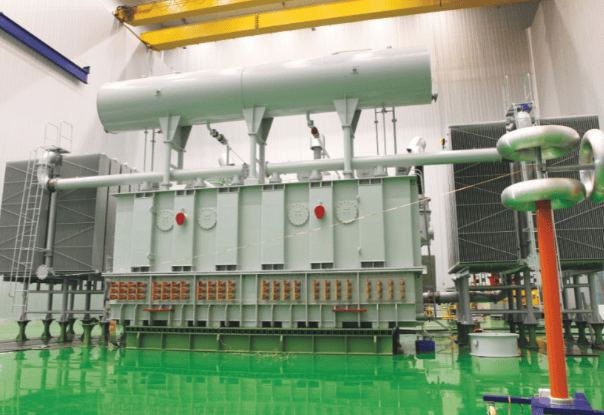
1000kV Jin Southeast-Nanyang-Jingmen UHV AC Transmission and Transformation Pilot Demonstration Project
Anhui Hongyuan Steel Tower Co., Ltd.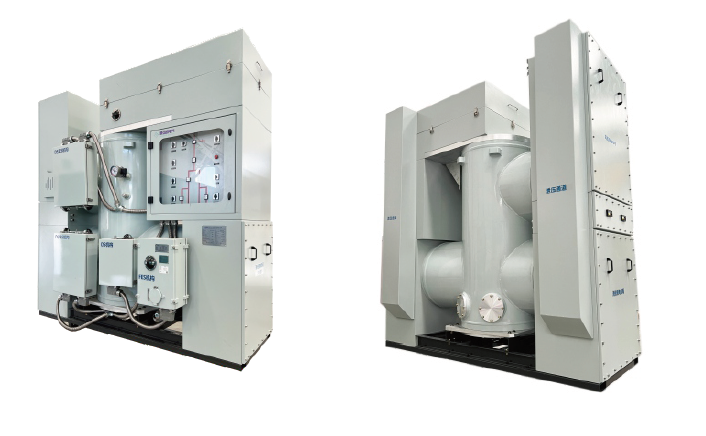
72.5kV 1250A 31.5kA SF6 free Gas-insulated Metal-enclosed Switchgear
Zhejiang Juhonkia Intelligent Electric Co., Ltd.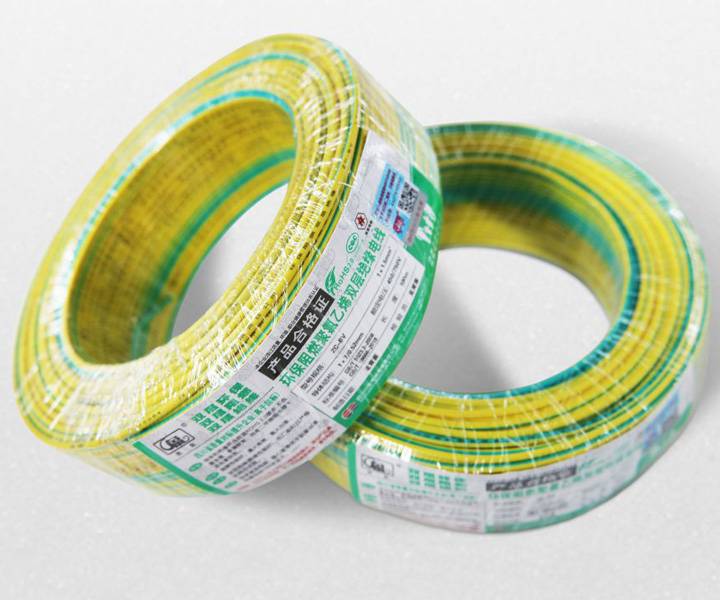
Environmentally Friendly Flame-retardant PVC Double-layer Insulated Wire
Sichuan Chndo Cable Co., Ltd.
Post-type AC Pollution-resistant Disc Suspension Porcelain Insulator (Triple Umbrella Type)
Shandong High Voltage Insulator Co., Ltd.