Italy's battery storage market ranks third in Europe in Q2 2026
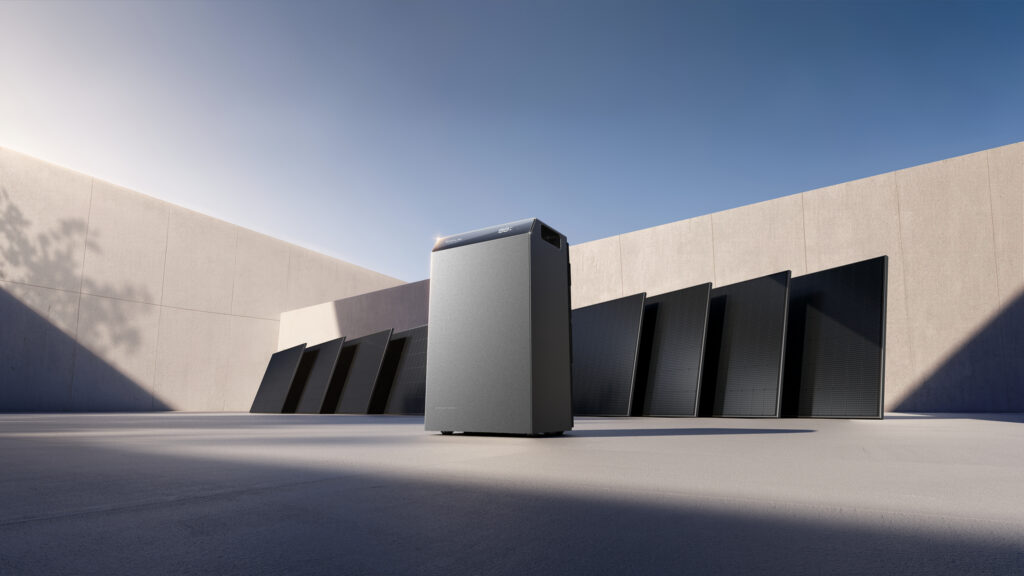
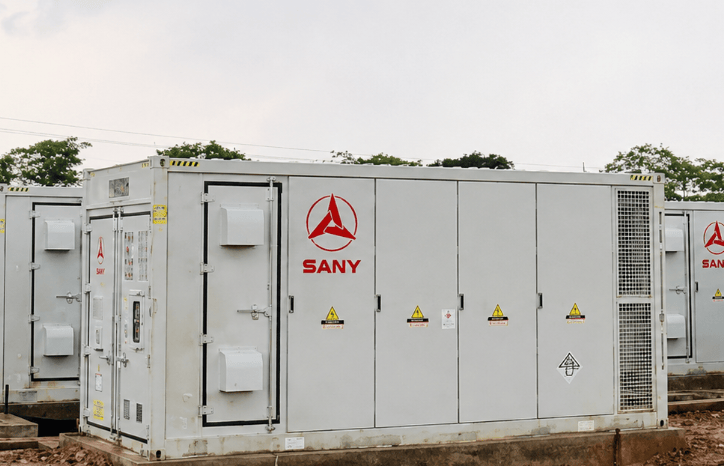
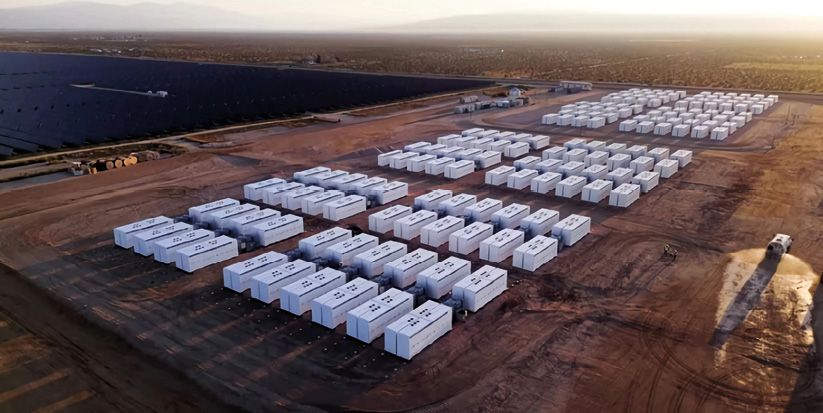
en.Wedoany.com Reported - Italy's battery energy storage system investment market maintains a leading position in Europe. The latest battery market attractiveness report released by market research firm Aurora Energy Research ranks Italy third in Europe, behind Germany and the United Kingdom. Italy currently has approximately 2 GW of large-scale storage capacity in operation, compared to just 100 MW two years ago.
High electricity prices are one of the main drivers of investment. In 2025, Italy's average electricity price reached €115 per MWh, significantly higher than Germany's €90, Spain's €65, and France's €61 per MWh. Natural gas generation determined wholesale electricity prices for approximately 70% of the year. The rapid expansion of solar power has depressed midday electricity prices, widening the intraday price spread between the evening peak and midday, providing storage systems with profit opportunities to buy low and sell high.
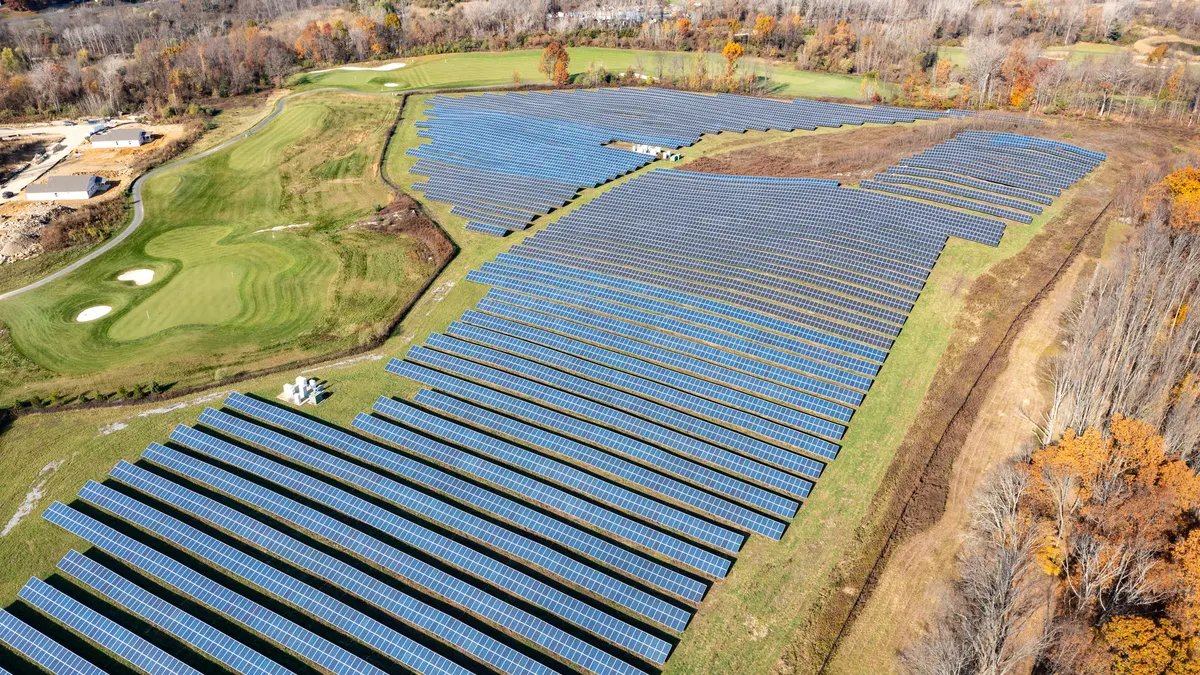
Solar expansion is a key driver of market opportunities. Through the first round of auctions under the FER X program, approximately 9 GW of new photovoltaic capacity has been awarded, with an additional 10 GW expected to be developed by the end of 2027. These projects are primarily concentrated in southern Italy and Sicily, where grid constraints lead to price differences between market zones, particularly benefiting storage projects located in the south. Since 2021, approximately 13.3 GW of battery energy storage system projects have been approved, with another 58.7 GW in the administrative approval stage, intensifying industry competition.
A unique feature of the Italian market is the Integrated Scheduling Process (ISP), through which the transmission system operator Terna acts as a single buyer to procure balancing services and other system ancillary services. As solar capacity and grid constraints increase, revenue from these services will remain a value source for batteries, but growing competition may compress profit margins. The trade-off is reduced predictability, as prices depend on location and are harder to anticipate than regulated payments.
The diversity of revenue mechanisms provides an advantage to the market. Investors can choose the MACSE program for 15-year fixed availability payments, participate in the capacity market combining regulated revenue with market opportunities, or gain stability through private tolling and power purchase agreements. The main challenge comes from regulatory risk. The D.L. Bollette decree approved in April 2026 proposes reducing electricity bills by compensating natural gas plants, potentially compressing storage profit spreads. The timeline for capacity market auctions remains uncertain, requiring investors to combine multiple strategies to balance stable income with market exposure.
Related Products


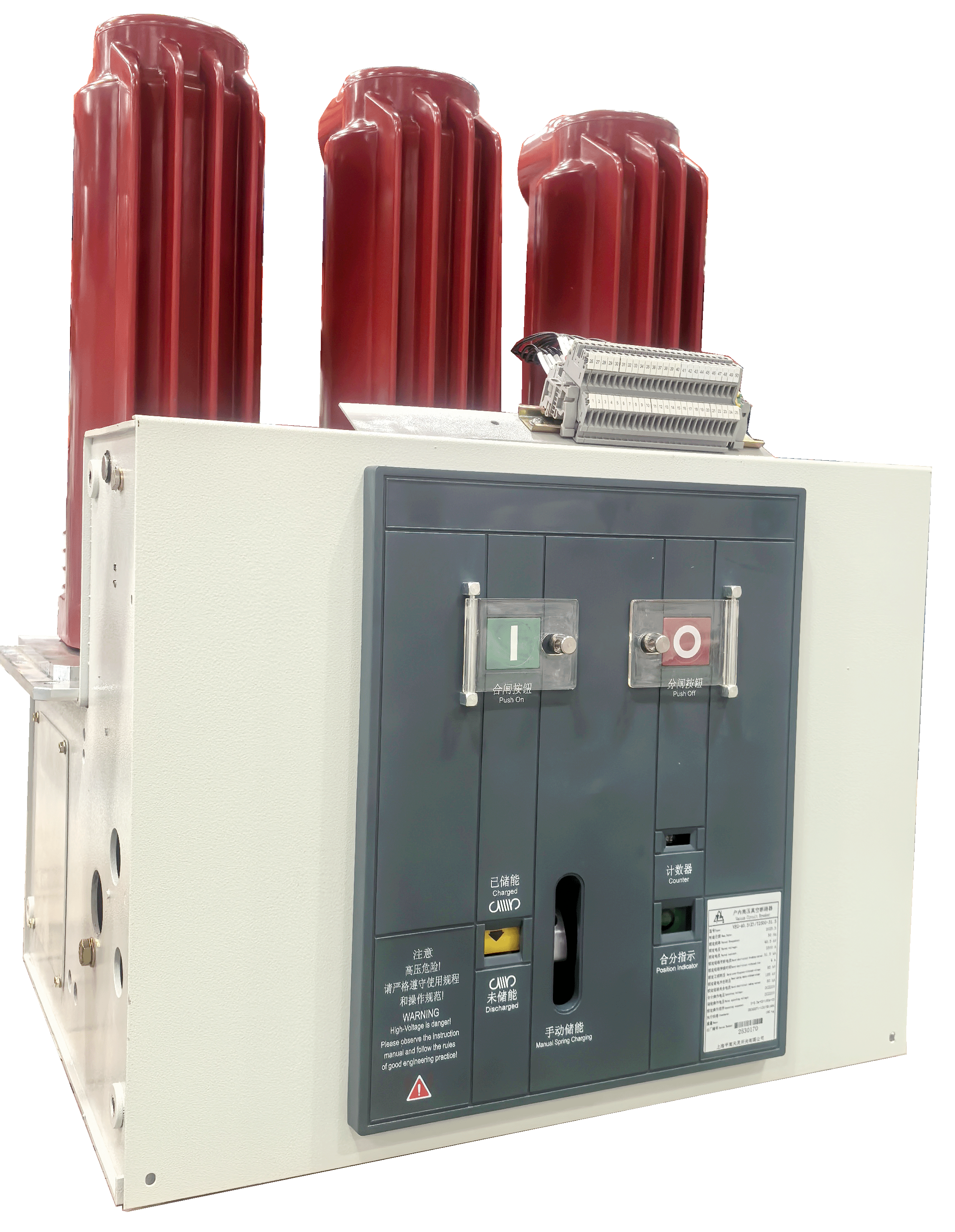
VEG-12/24/40.5 Series Vacuum Circuit Breaker
SHANGHAI PINGGAO TIANLING SWITCHGEAR CO., LTD.
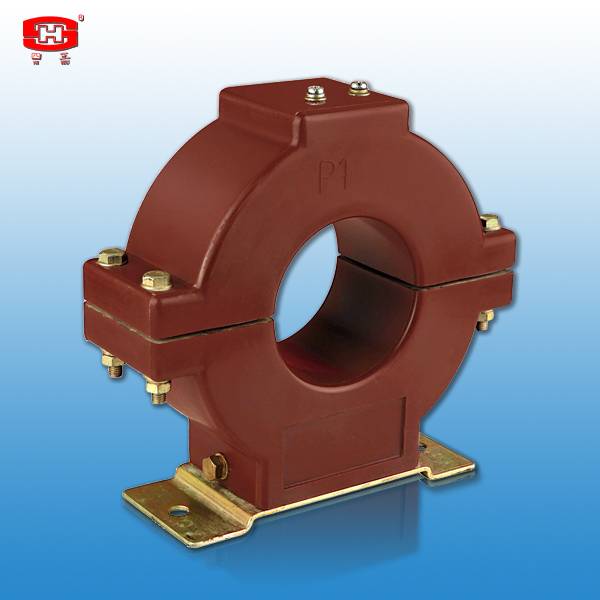
0.66kV Power Supply Instrument Transformer
Guangdong Sihui Instrument Transformer Works Co., Ltd.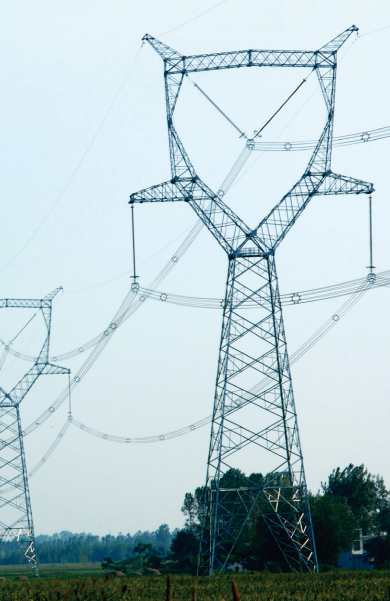
1000kV Jin Southeast-Nanyang-Jingmen UHV AC Transmission and Transformation Pilot Demonstration Project
Anhui Hongyuan Steel Tower Co., Ltd.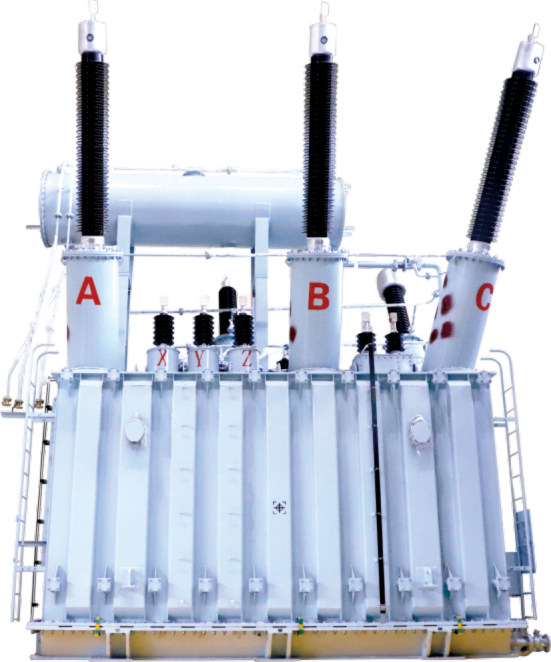
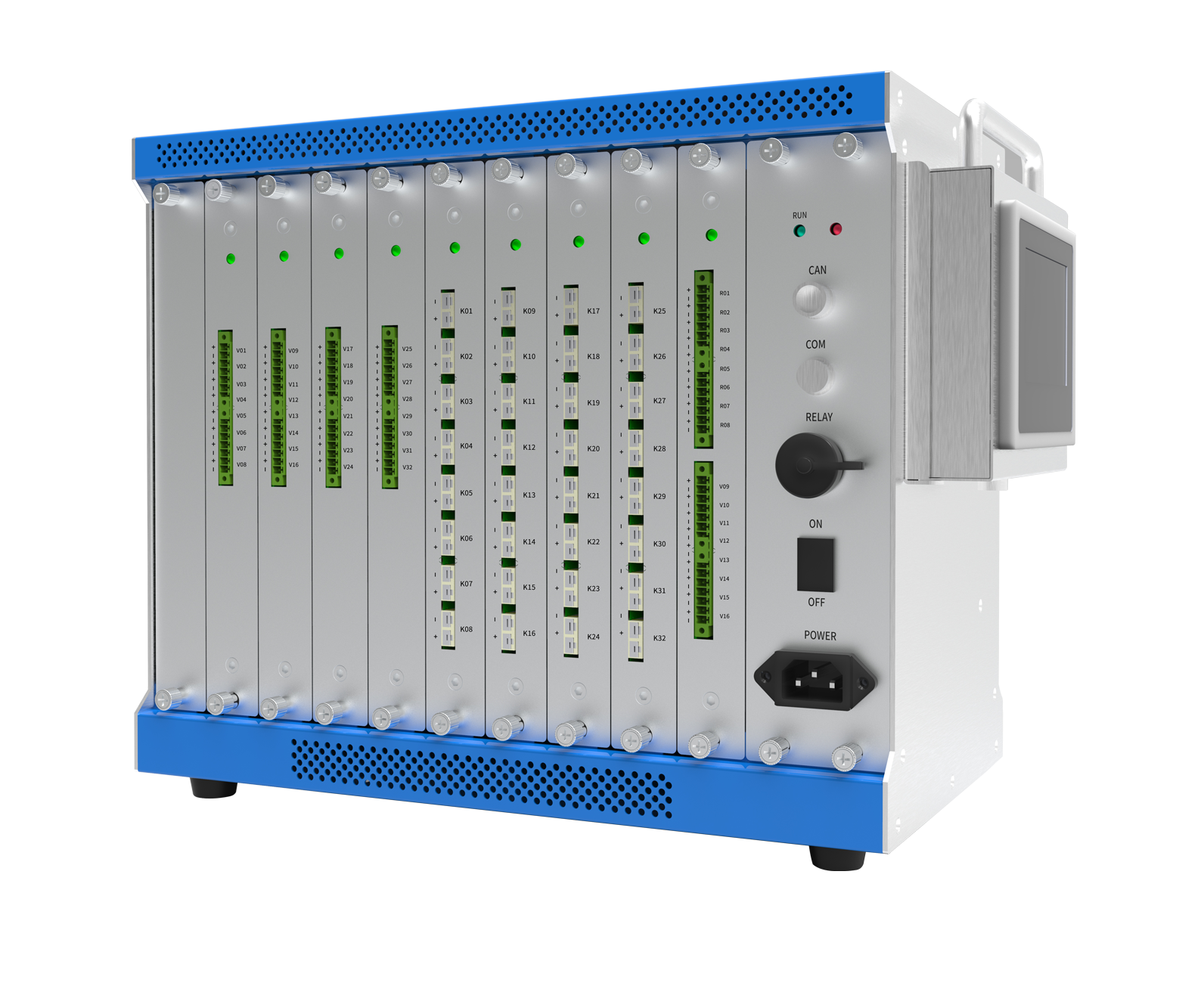
Optional Accessory - Auxiliary Sampling Module
Beijing Soaring Electric Technology Co., Ltd.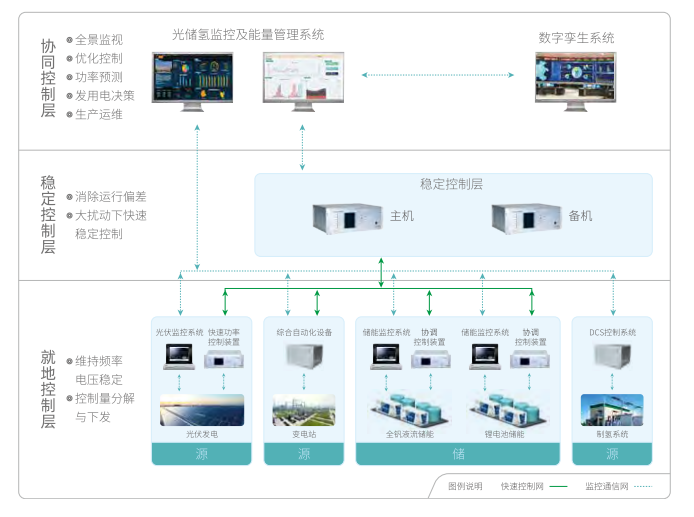

714CD Series C-Band Weather Radar
Chengdu Zhongdian Jinjiang Information Industry Co., Ltd.