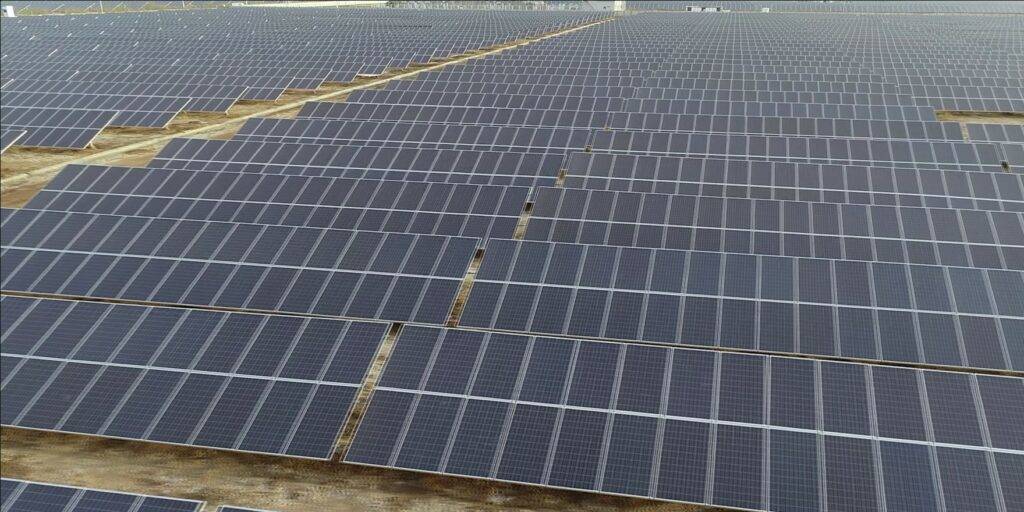
GGC Completes $70 Million Transaction to Boost Electricity Access in Africa
en.Wedoany.com Reported - The Green Guarantee Company (GGC), the world's first climate-focused guarantee institution, has completed its first two transactions, raising $70 million to accelerate electricity access in sub-Saharan Africa. These transactions support projects linked to the World Bank and African Development Bank's "Mission 300" initiative, providing an early test of whether guarantees can help address Africa's primary energy challenge of securing affordable long-term capital.
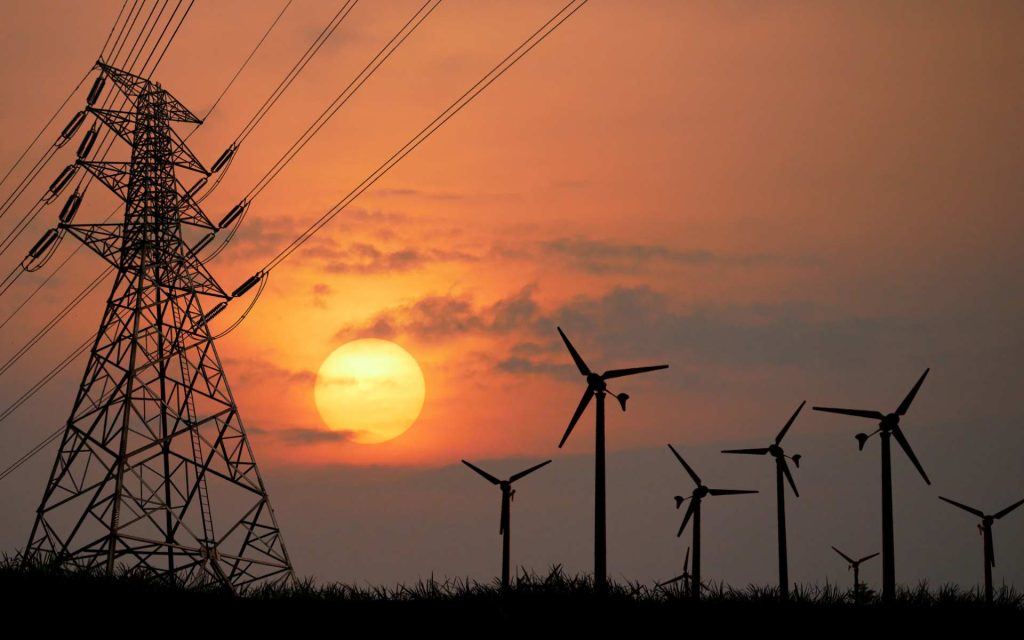
For years, international investors have recognized the scale of Africa's electrification opportunity but remain constrained by currency volatility, credit risk, and limited financing tenors. As a result, many commercially viable projects struggle to secure large-scale financing. GGC's first transactions demonstrate that the next phase of Africa's energy transition depends as much on infrastructure deployment as on financial structure design. For investors, the key question is no longer whether demand exists, but whether risk-adjusted returns are sufficiently attractive to unlock larger capital pools.
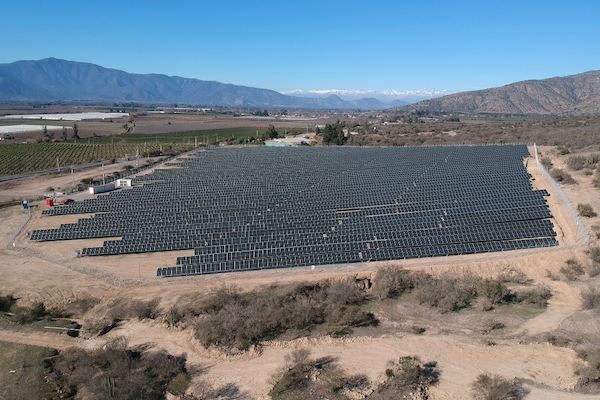
Global green bond issuance typically exceeds hundreds of billions of dollars annually, yet developing economies outside China receive only a modest share. Joint research by the International Finance Corporation (IFC) and Amundi Asset Management highlights that severe political, currency, and credit risks continue to deter foreign investors, leaving regions like Africa critically short of climate finance. To bridge this investment gap, specialized institutions use guarantees to absorb the default risks that hinder commercial participation. GGC's latest guarantees exemplify this approach. The first transaction provides a $20 million framework guarantee to Bank of Africa UK, supporting distributed electricity access in Nigeria through a renewable energy expansion program. This financing is expected to fund approximately 13 megawatts of renewable energy generation, expand or improve electricity access for about 340,000 people, and reduce carbon dioxide emissions by roughly 250,000 tons annually. The second transaction guarantees a $50 million green bond listed on the International Securities Market of the London Stock Exchange. Arranged by Standard Chartered, the bond channels institutional capital from investors including Legal & General, Calvert Impact Capital, and Ceniarth into African Frontier Capital's distributed solar financing program.
Many renewable energy developers generate revenue in local currencies while borrowing in US dollars or euros. Currency depreciation can rapidly inflate debt repayments, even when projects operate well. Meanwhile, local banks rarely offer financing beyond five years, despite solar assets requiring investment cycles of 10 to 20 years. Credit enhancement changes these economics. By absorbing part of the default risk, institutions like GGC enable lenders to extend tenors, lower borrowing costs, and attract institutional investors otherwise excluded by internal investment mandates. The result is lower financing costs for developers and increased confidence among global pension funds, insurance companies, and asset managers seeking long-term climate investments. The African Minigrid Developers Association (AMDA) told Prospect that credit enhancement works best when applied to aggregated portfolios of bankable projects supported by standardized documentation, local currency financing, and stronger project preparation. "International credit enhancement structures are becoming increasingly realistic but remain difficult for mid-sized independent developers to access," an AMDA spokesperson said. "They work best for larger portfolios because the fixed costs of structuring, legal work, due diligence, ratings, investor engagement, and guarantee documentation are high."
The significance of GGC's first transactions lies in demonstrating how structured finance can aggregate smaller renewable energy assets into institution-sized investment opportunities while recycling development finance capital into new projects. Mission 300 aims to connect 300 million Africans to electricity by 2030. Achieving this goal will require trillions of dollars in private investment alongside public funds. Guarantees, securitization vehicles, and green bonds provide a bridge between these capital pools. For investors, Africa's transformation is becoming less constrained by project availability and increasingly defined by financial innovation. Institutions capable of reducing risk may become the single largest catalyst for scaling electrification across the continent.
Related Products


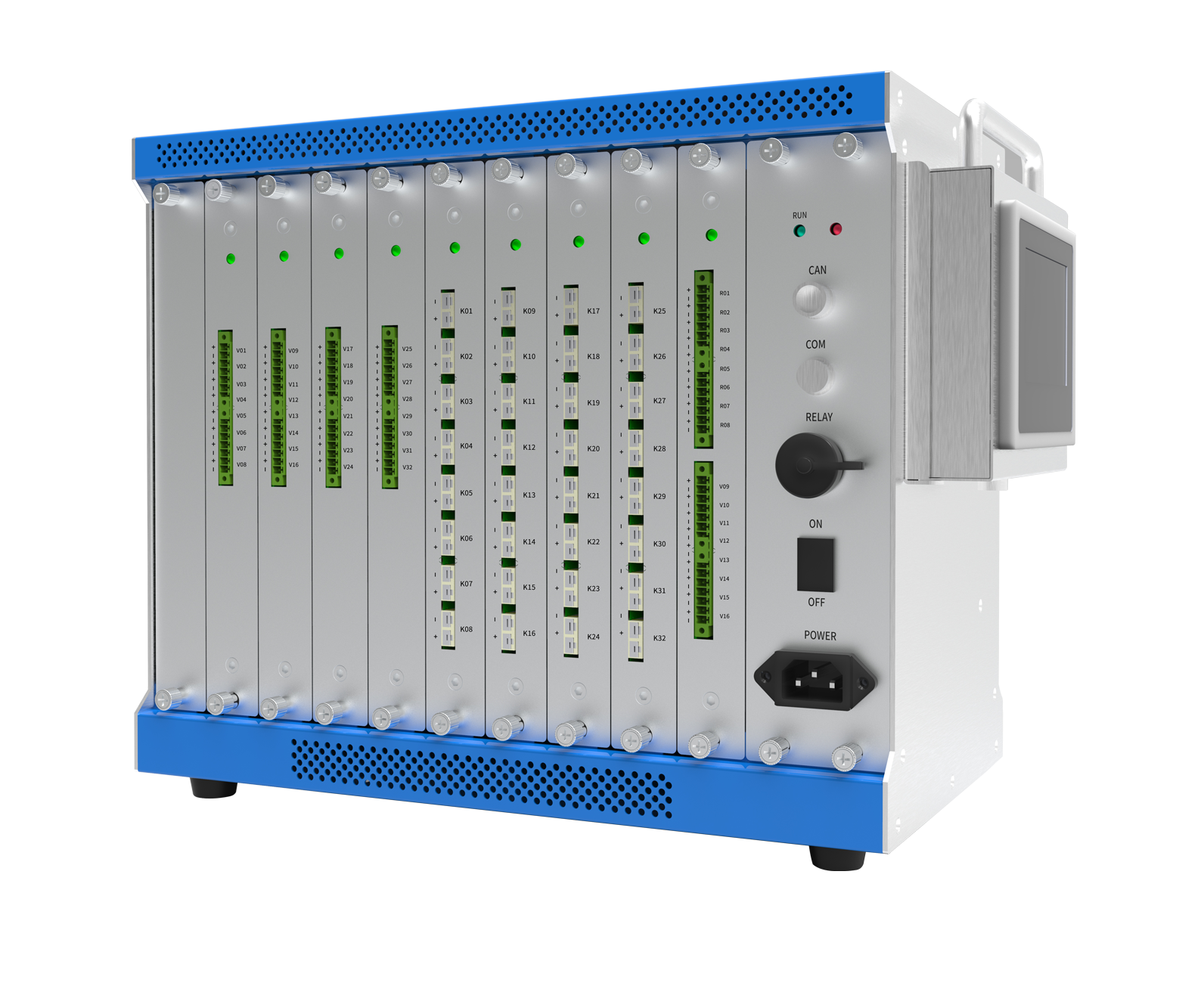
Optional Accessory - Auxiliary Sampling Module
Beijing Soaring Electric Technology Co., Ltd.
Perfluorinated Ionic Membrane-CM-10N Series Membrane
Guizhou Juneng Century Technology Co., Ltd
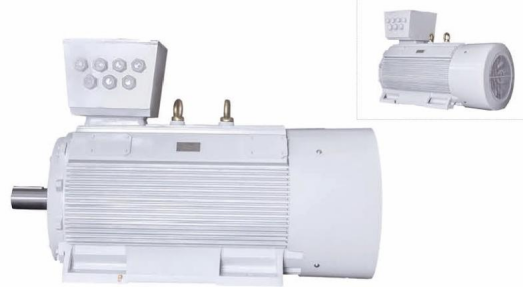
YE3 Series Low Voltage High Power Three-Phase Asynchronous Motor
Shandong Lijiu Electrical Machinery Co., Ltd.