The Economics of C&I BIPV Depends on Both Energy Revenue and Building Value
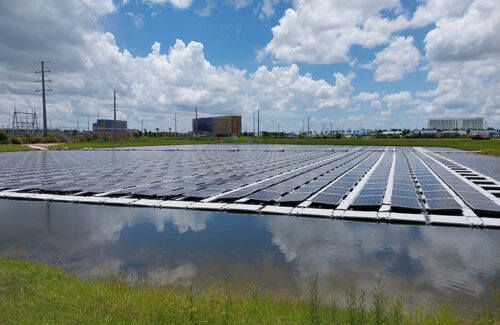
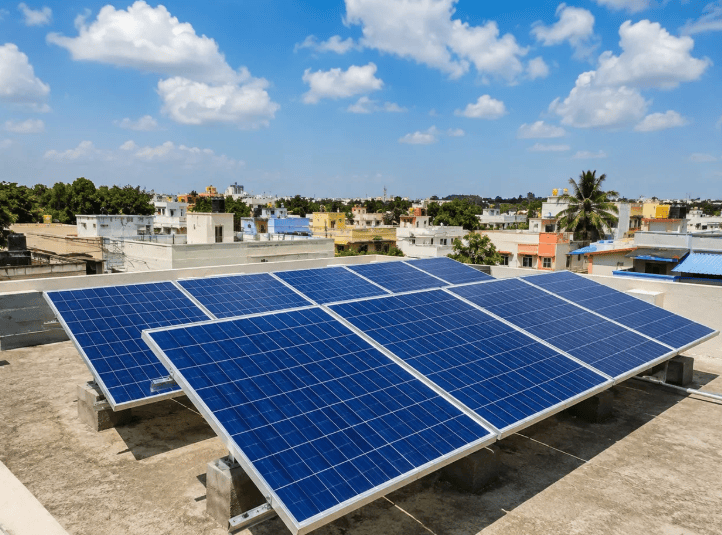
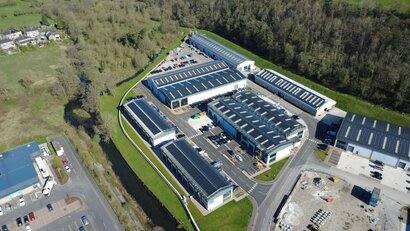
Commercial and industrial buildings are among the most practical scenarios for Building-Integrated Photovoltaics. Factories, logistics warehouses, industrial parks, commercial complexes and office buildings often have large roof or façade areas and relatively high electricity demand, creating good self-consumption conditions. The IEA states that distributed PV applications are expected to account for 42% of global PV expansion from 2025 to 2030, including commercial, industrial, residential and off-grid projects.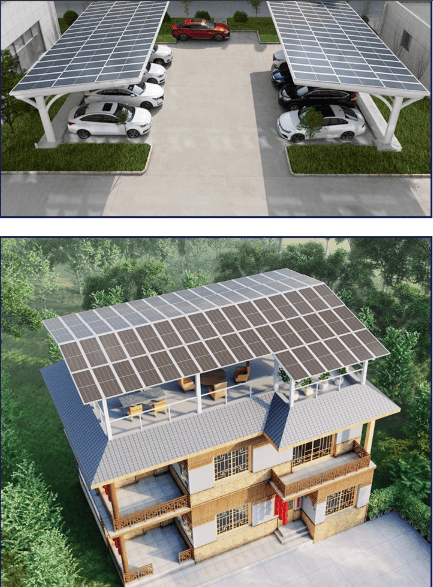 The economics of C&I BIPV should not be calculated in the same way as conventional PV plants. Ordinary PV mainly evaluates generation, electricity price and payback period. BIPV must also include the value of replacing building materials, roof or façade renovation value, green building certification, corporate decarbonization value and brand value. In new buildings or façade renovation projects, if BIPV can replace roof panels, curtain wall panels or shading elements, overall economics can improve significantly.
A common problem is that owners and designers look only at generation revenue while ignoring building cost boundaries. If PV roofs require structural reinforcement and waterproofing renovation, payback may be extended. If PV façades are highly customized, initial costs may rise sharply. If daytime loads are unstable and self-consumption is low, project revenue may also decline.
A professional C&I BIPV project should use a “dual-ledger” model. The first ledger is the energy ledger, calculating annual generation, self-consumption, surplus export, bill savings, storage coordination and O&M costs. The second is the building ledger, calculating material substitution, façade renovation, roof life, maintenance convenience, green certification and corporate image value. Only when both ledgers are positive does the project have long-term investment value.
Future C&I BIPV will not be merely an upgraded version of rooftop PV. It will be the integration of building assets and energy assets. When companies choose BIPV, they are essentially purchasing a system solution that lowers electricity costs, increases building value and supports long-term decarbonization strategy.
Related Products

Quick-Change Single-Seat Control Valve / Quick-Change High-Pressure Single-Seat Control Valve
Beijing Consen Automation Technology Co., Ltd.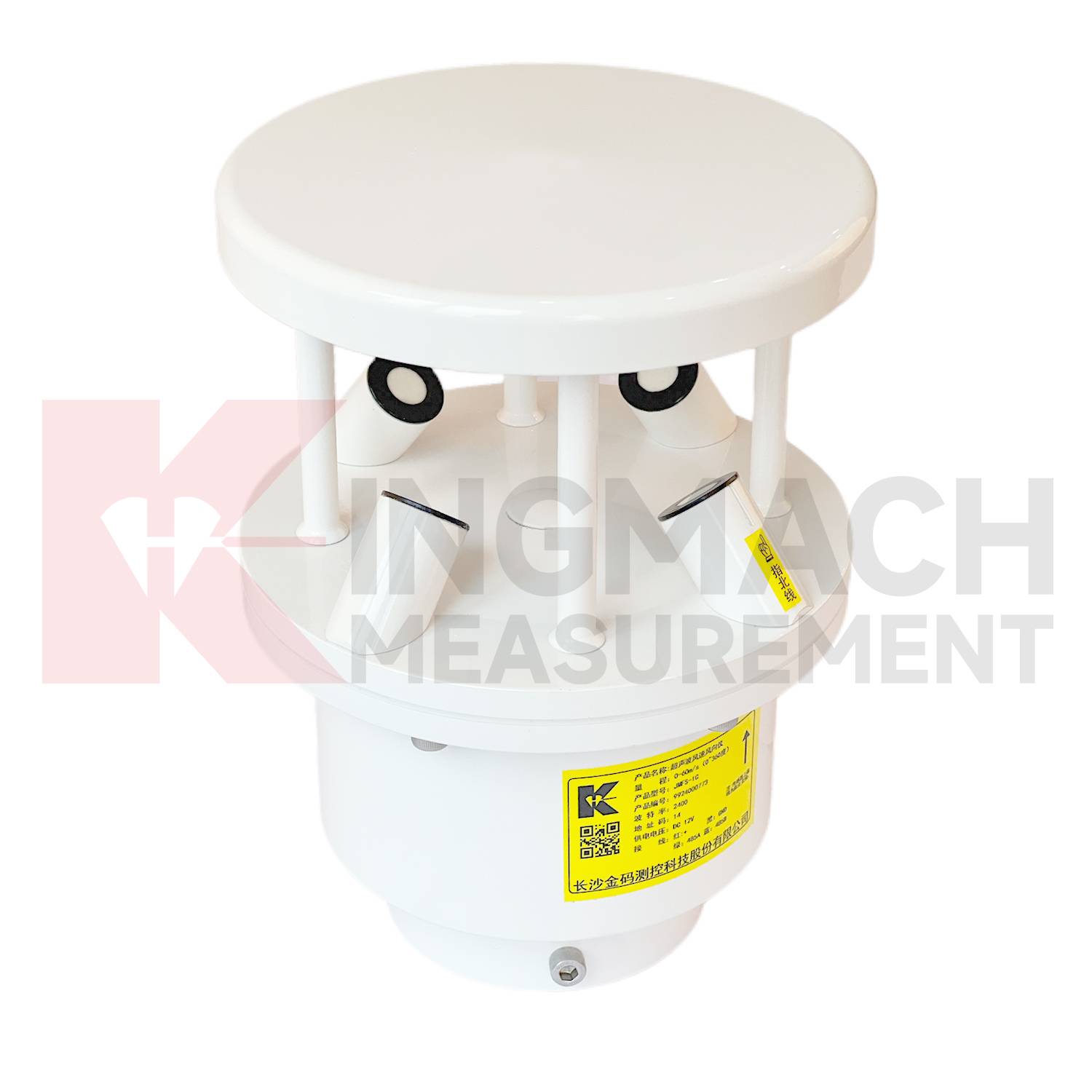
Ultrasonic Wind Speed and Direction Instrument
Kingmach Measurement & Monitoring Technology Co., Ltd.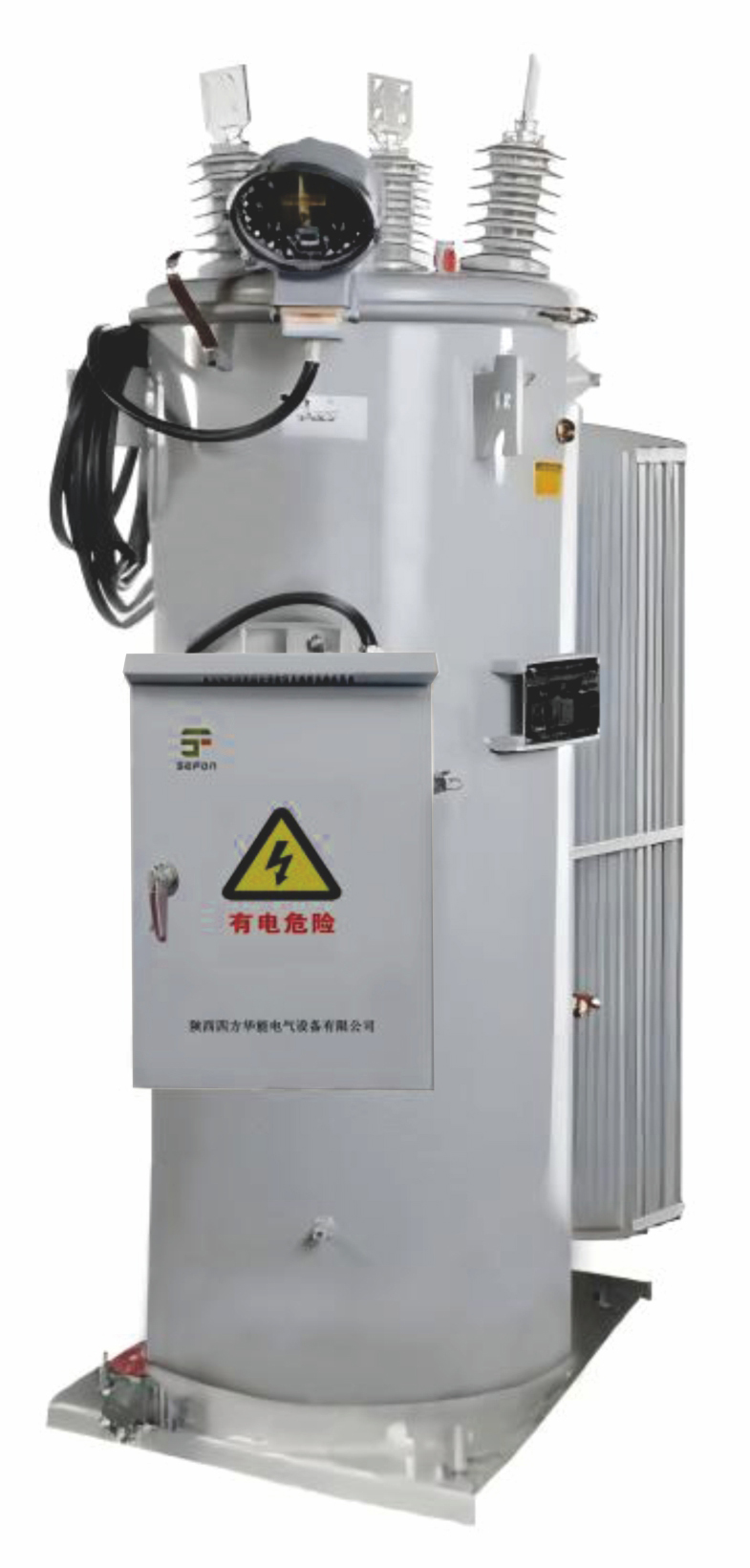
Single-Phase Automatic Voltage Regulator(AVR)
Shaanxi Sefon Electrical Equipment Co.,Ltd.
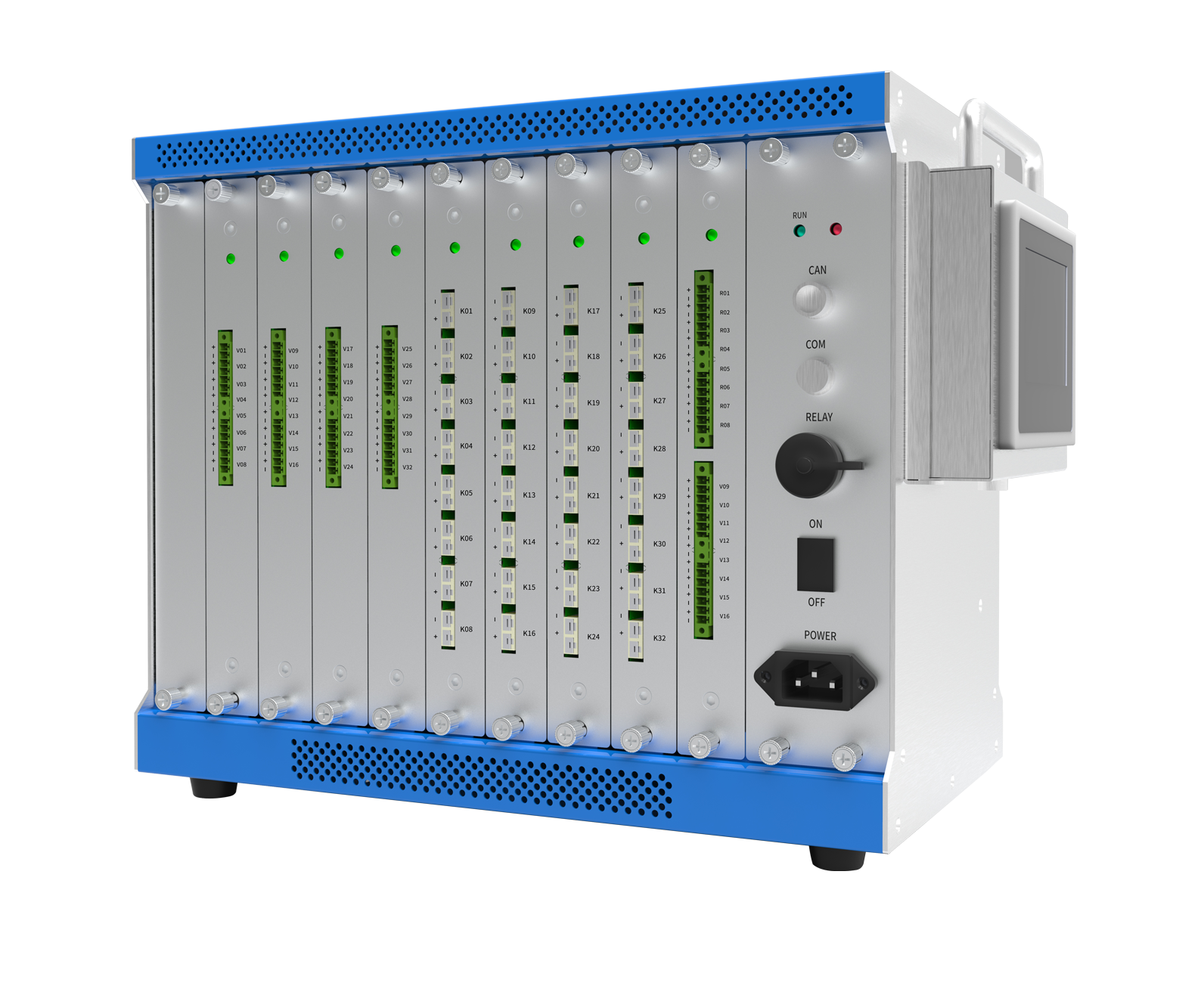
Optional Accessory - Auxiliary Sampling Module
Beijing Soaring Electric Technology Co., Ltd.
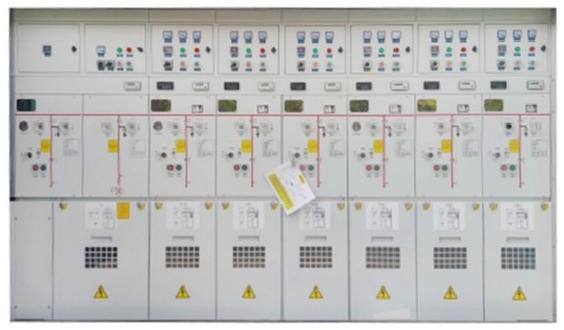
NISELA Series Environmentally Friendly Gas-Insulated Ring Main Unit
XJ DELISHIER ELECTRIC CO., LTD.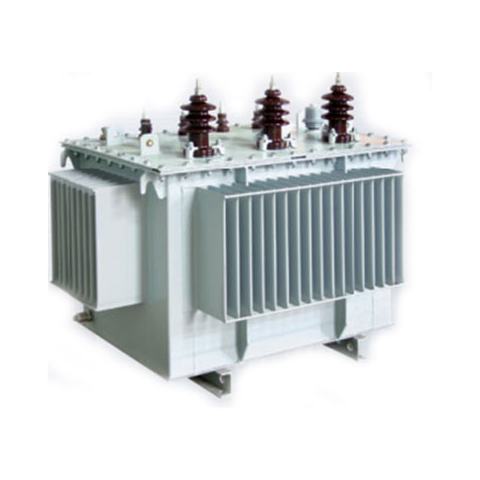
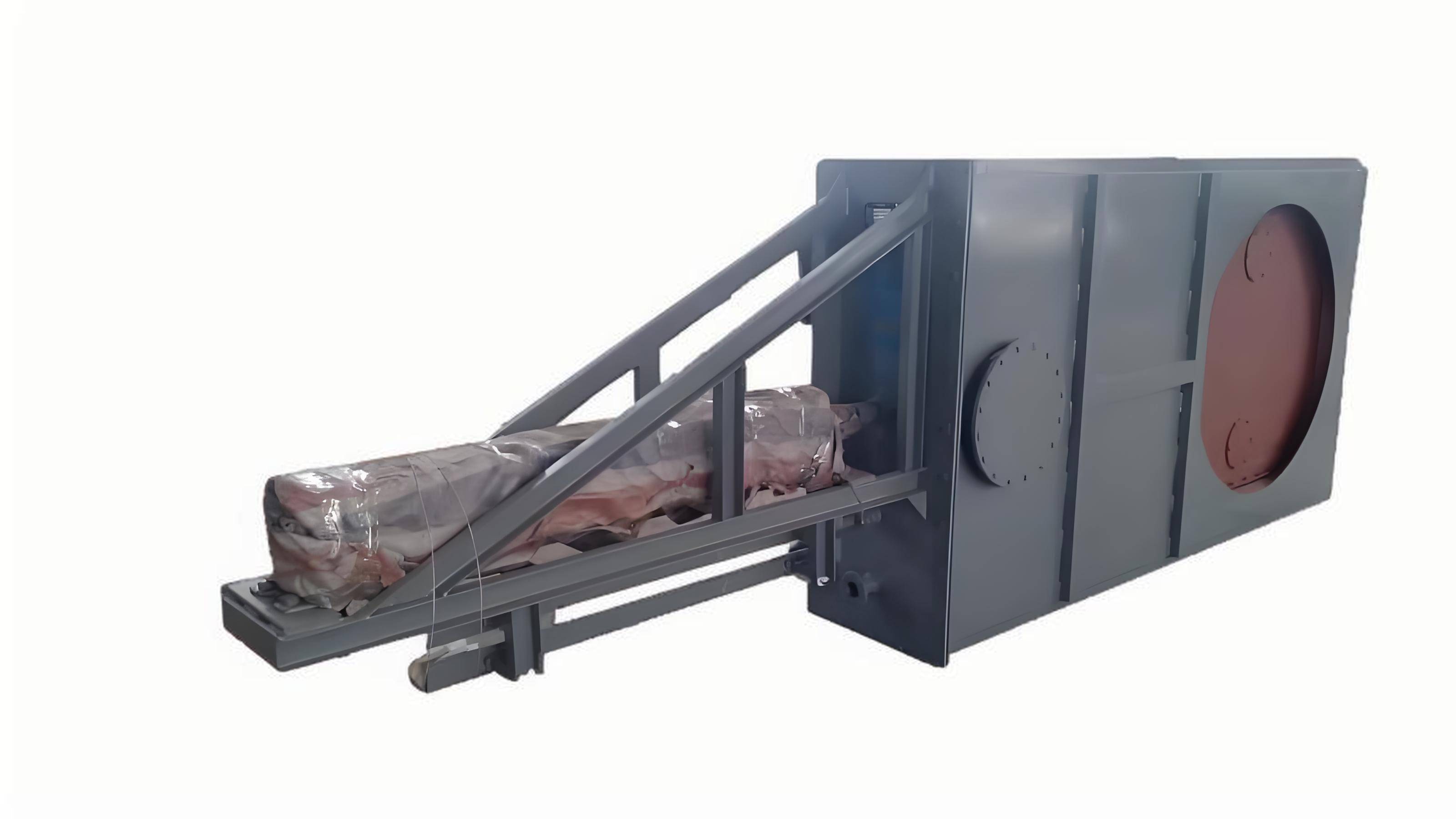
Double-slide Triple-sealed Hot Air Isolation Door
Xi'an Yingchuan Electric Power Equipment Co., Ltd.