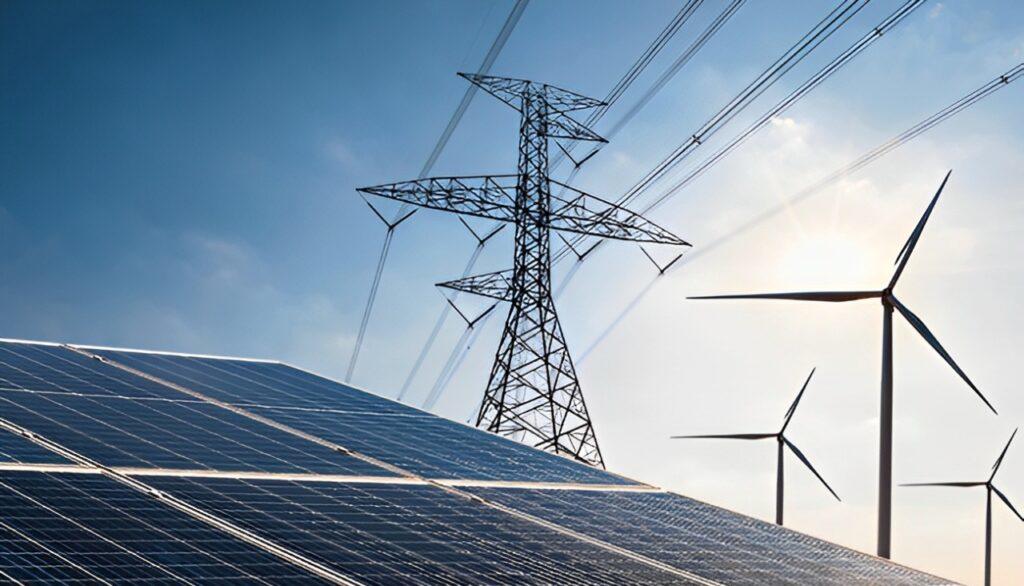
As green buildings and distributed PV expand worldwide, overseas Building-Integrated Photovoltaics opportunities are growing. Europe emphasizes building efficiency and low-carbon regulations. The Middle East focuses on landmark public buildings and high-end urban image. Southeast Asia and Latin America are seeing demand in C&I rooftops, public buildings and industrial park energy systems. For Chinese companies, BIPV exports are not only about modules, but about system integration, architectural adaptation and local standards capability.
The global BIPV market has strong growth expectations. Grand View Research estimates that the market was valued at USD 23.67 billion in 2023 and is expected to reach USD 89.8 billion by 2030, with a CAGR of about 21.2% from 2024 to 2030. This growth is closely related to green buildings, lower PV costs and rising distributed energy demand.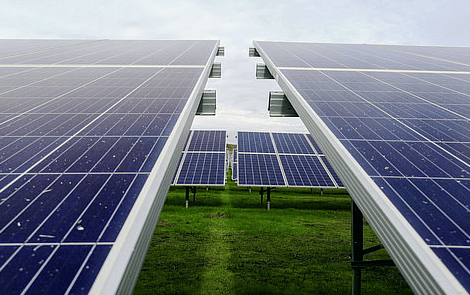
The most underestimated challenge in overseas BIPV projects is building standard differences. Countries differ in curtain wall, fire safety, structural load, glass safety, electrical connection, grid protection and product certification requirements. European projects may emphasize building energy efficiency, appearance and low-carbon certification. Middle Eastern projects require adaptation to high temperature, dust and ultraviolet exposure. Southeast Asian projects require attention to humidity, typhoons, lightning and roof structures. North American markets have strict certification, fire and electrical code requirements.
Local construction practices also matter. BIPV involves architecture, curtain walls, electrical systems and PV. If local contractors are unfamiliar with installation and electrical connection, projects may face poor detailing, messy cable routing and difficult maintenance. Exporters should provide not only products, but also design support, installation guidance, English documentation, certification files and remote O&M services.
The core competitiveness of overseas BIPV is turning China’s PV manufacturing advantage into localized building energy solutions. Companies that understand local building codes, climate conditions, aesthetic preferences and maintenance capability will have better chances of building long-term advantages in overseas BIPV markets.