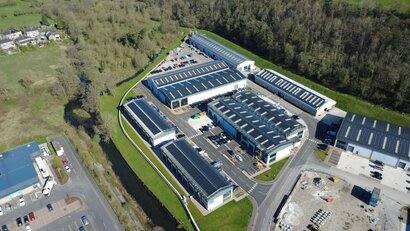
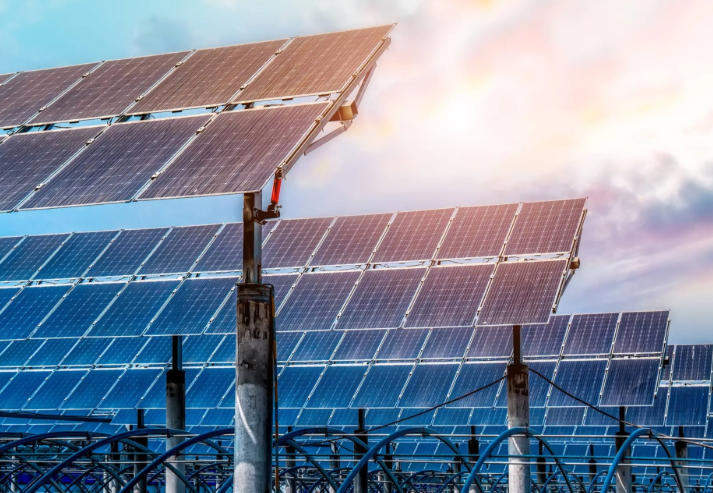
Combining BIPV with Storage Turns Buildings into Flexible Energy Nodes
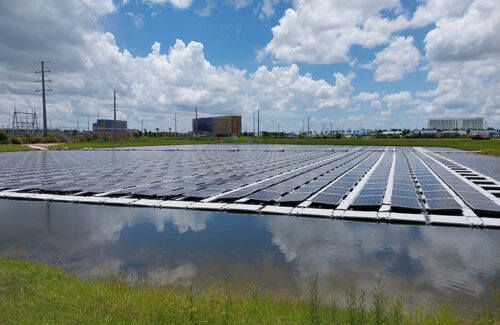
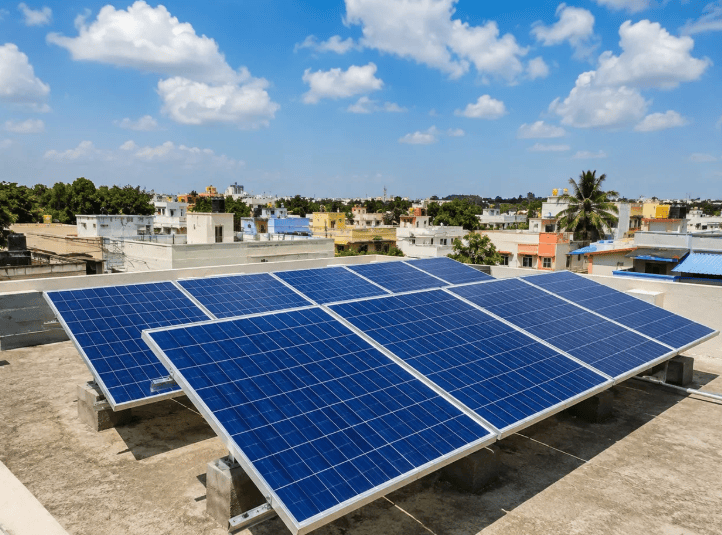
Standalone BIPV enables buildings to generate electricity. When combined with storage and energy management systems, buildings can evolve from ordinary energy consumers into flexible energy nodes. As distributed PV penetration rises, coordination between Building-Integrated Photovoltaics and storage will become important for commercial buildings, industrial parks, schools, hospitals and public facilities.
The IEA states that distributed PV will account for 42% of overall PV expansion from 2025 to 2030, and distributed PV applications with storage are also growing in countries with unreliable grids or high electricity prices. This means future building PV should not only ask how much electricity is generated, but also when it is used, how it is stored and how it is dispatched.
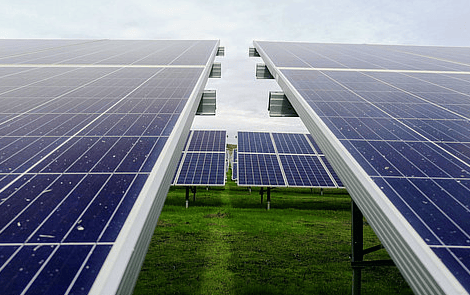 BIPV combined with storage creates three types of value. First, it increases self-consumption. When daytime PV generation does not fully match building demand, storage can absorb surplus electricity and release it in the evening or during high-price periods. Second, it reduces demand charges and peak loads. Commercial and industrial buildings can use storage for peak shaving. Third, it improves power resilience. Hospitals, data centers, transport hubs and public buildings can use BIPV-plus-storage to strengthen emergency power capability.
System design should not size batteries simply as a fixed ratio of PV capacity. Storage capacity should be calculated based on building load curves, tariff mechanisms, backup requirements, charge-discharge strategy, battery life and fire safety conditions. Otherwise, storage may suffer from low utilization, unstable returns or higher safety risks.
Future high-quality BIPV projects will not be only power-generating materials on building surfaces. They will coordinate with storage, EV chargers, building controls and energy management systems. Buildings will become predictable, adjustable and demand-response-ready energy nodes.
Related Products
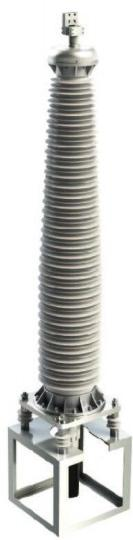

220kV Composite Outdoor Cable Terminal
Shenyang Guolian Cable Accessories Manufacture Co., Ltd.
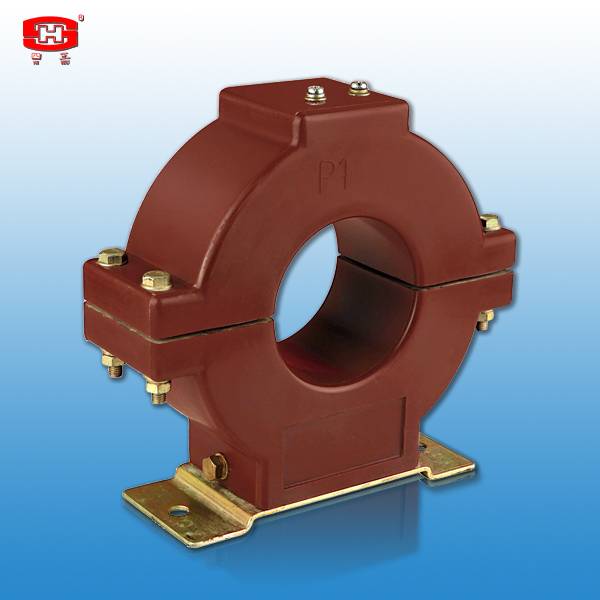
0.66kV Power Supply Instrument Transformer
Guangdong Sihui Instrument Transformer Works Co., Ltd.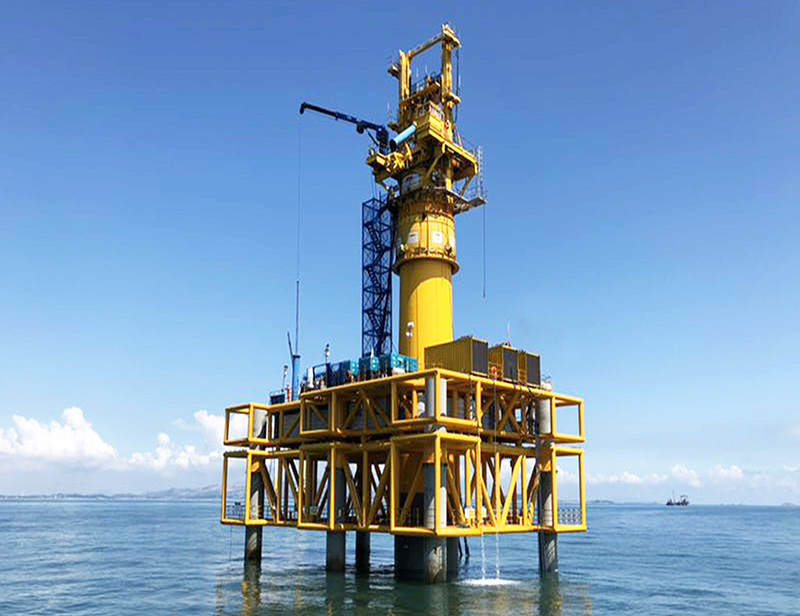
CITIC Heavy Industries Offshore Wind Power Equipment Hydraulic Pile Hammer
CITIC Heavy Industries Co., Ltd.
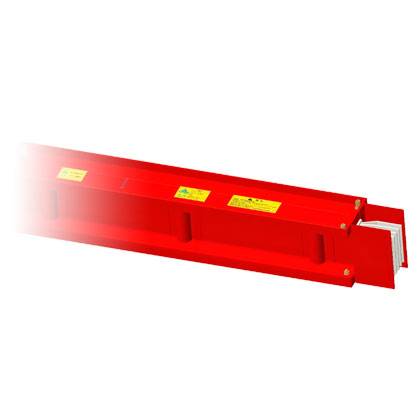
Mineral-insulated Compact Busway (Fire-resistant Busduct)
Zhuhai Guangle Electric Busway Co., Ltd.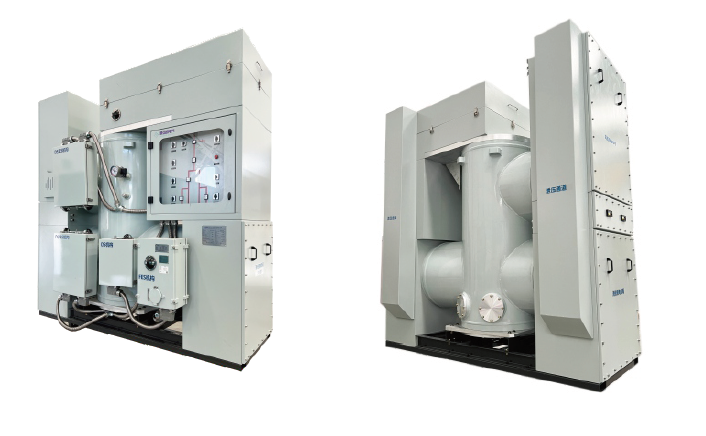
72.5kV 1250A 31.5kA SF6 free Gas-insulated Metal-enclosed Switchgear
Zhejiang Juhonkia Intelligent Electric Co., Ltd.