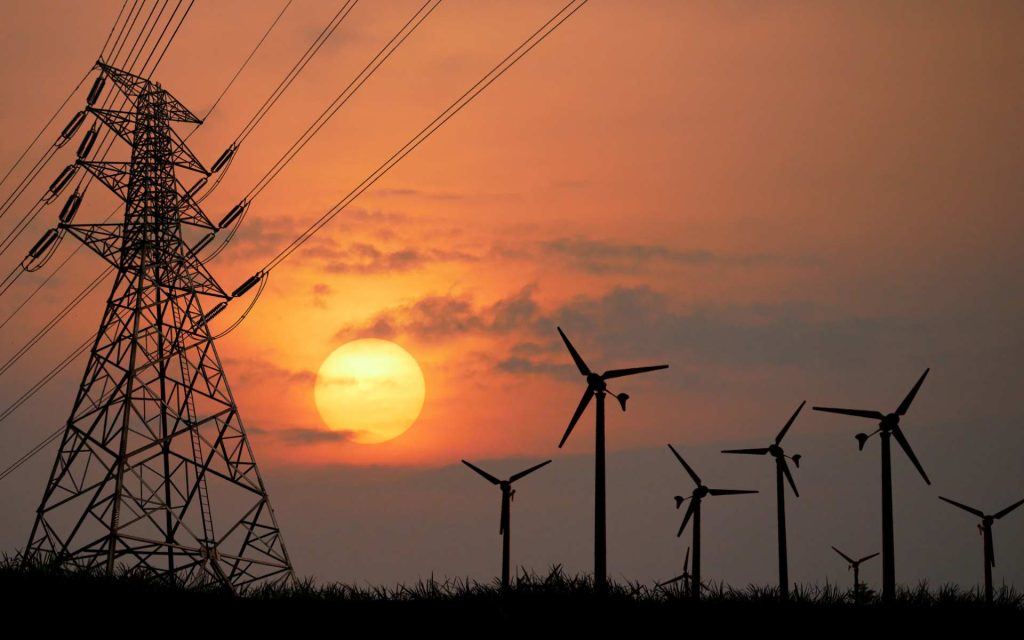
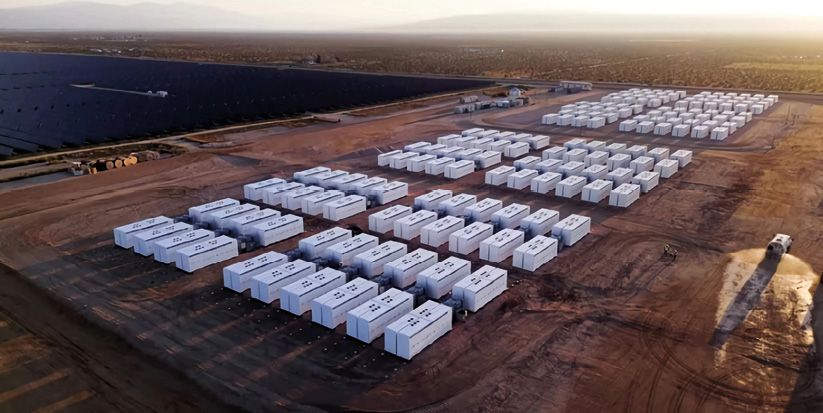
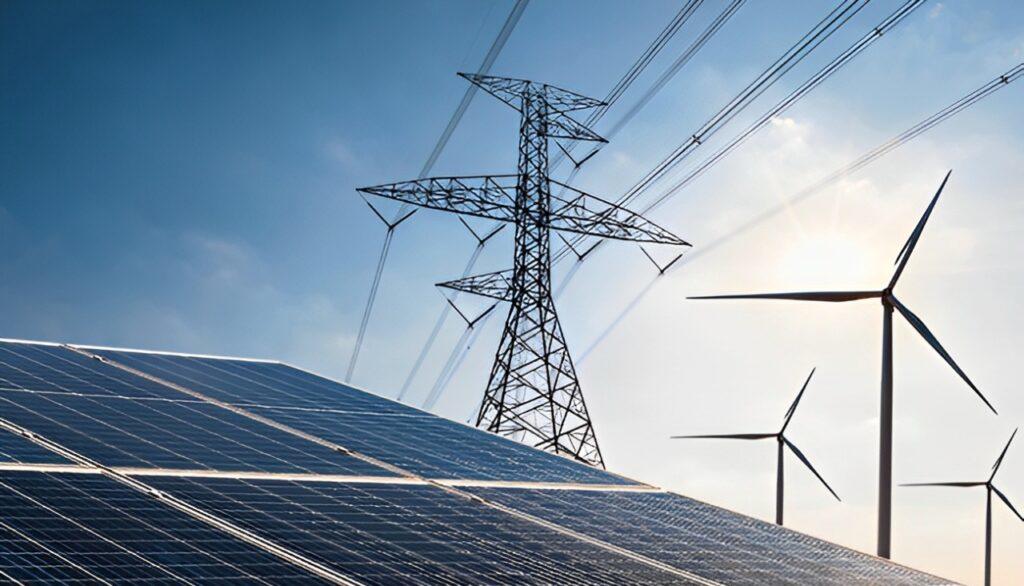
The market potential of permanent magnet direct-drive generators depends fundamentally on global wind power expansion, the trend toward larger turbines, and the growth rate of offshore wind. According to the Global Wind Energy Council, global new wind power installations reached a record 117 GW in 2024, while cumulative global wind capacity reached about 1,136 GW by the end of 2024. GWEC also forecasts nearly 1 TW of additional wind installations by 2030.
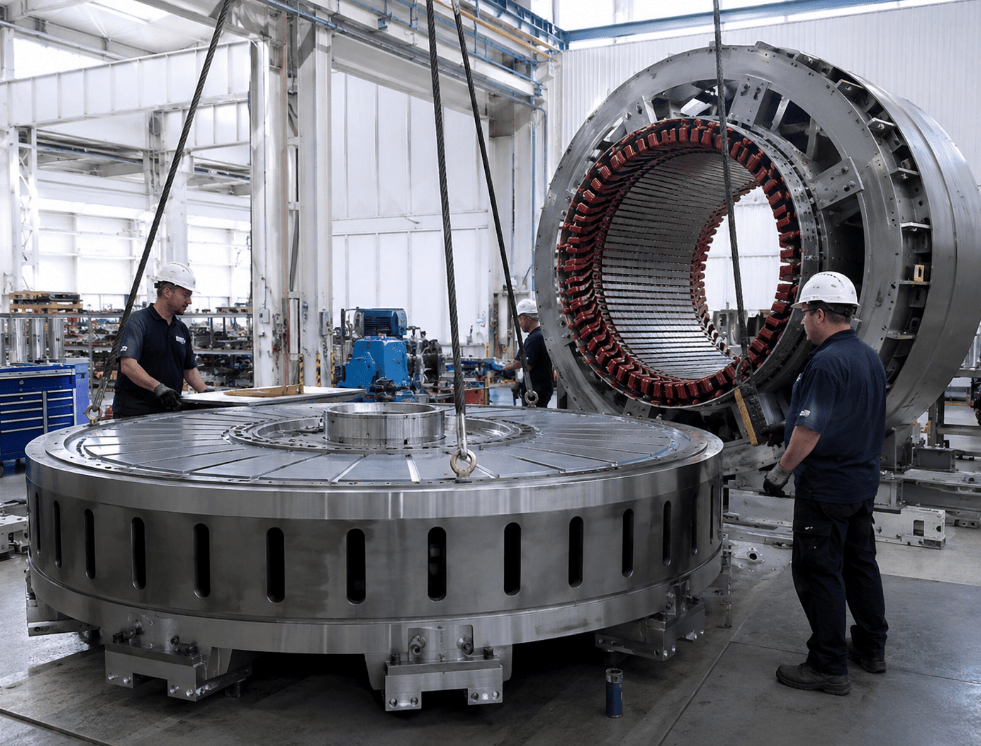
This means that permanent magnet direct-drive generators are facing a long-term expanding equipment market. Growth in wind installations directly drives demand for generators, bearings, converters, blades, towers, control systems, and operation and maintenance services. As turbines become larger, single-unit capacity continues to rise, placing higher requirements on low-speed high-torque performance, efficiency, and reliability.
Offshore wind is one of the most important growth scenarios for permanent magnet direct-drive technology. The International Energy Agency expects offshore wind to continue growing in the coming years. Annual offshore wind additions were about 9.2 GW in 2024 and could exceed 37 GW by 2030. From 2025 to 2030, offshore wind capacity expansion is expected to reach around 140 GW, with China accounting for nearly half of the increase. Offshore wind has high maintenance costs, high downtime losses, and demanding installation conditions, making more reliable generator systems particularly attractive.
However, market growth will not be linear. The IEA also notes that the offshore wind industry faces rising costs, supply-chain challenges, project cancellations, and delays, and has revised its offshore wind growth forecast for the next five years downward by more than 25%. This raises the bar for permanent magnet direct-drive generator suppliers. They cannot focus only on larger capacity; they must also address cost, weight, reliability, delivery cycles, and material security.
Regionally, China is a major center for wind equipment manufacturing and permanent magnet generator applications. Europe places strong emphasis on offshore wind, floating wind, and resilient local supply chains. North America is influenced by policy, grid connection, and project economics. The Middle East, Latin America, Southeast Asia, and Africa are entering a phase of accelerated wind deployment, creating potential demand for reliable, low-maintenance turbine technologies suitable for complex environments.
In the future, the competitiveness of permanent magnet direct-drive generator companies will not depend only on electrical machine design. It will depend on full-system integration capability. Companies that can simultaneously solve efficiency, weight control, cooling, converter matching, transportation, installation, rare-earth supply, and life-cycle maintenance will be more likely to enter mainstream wind turbine supply chains.