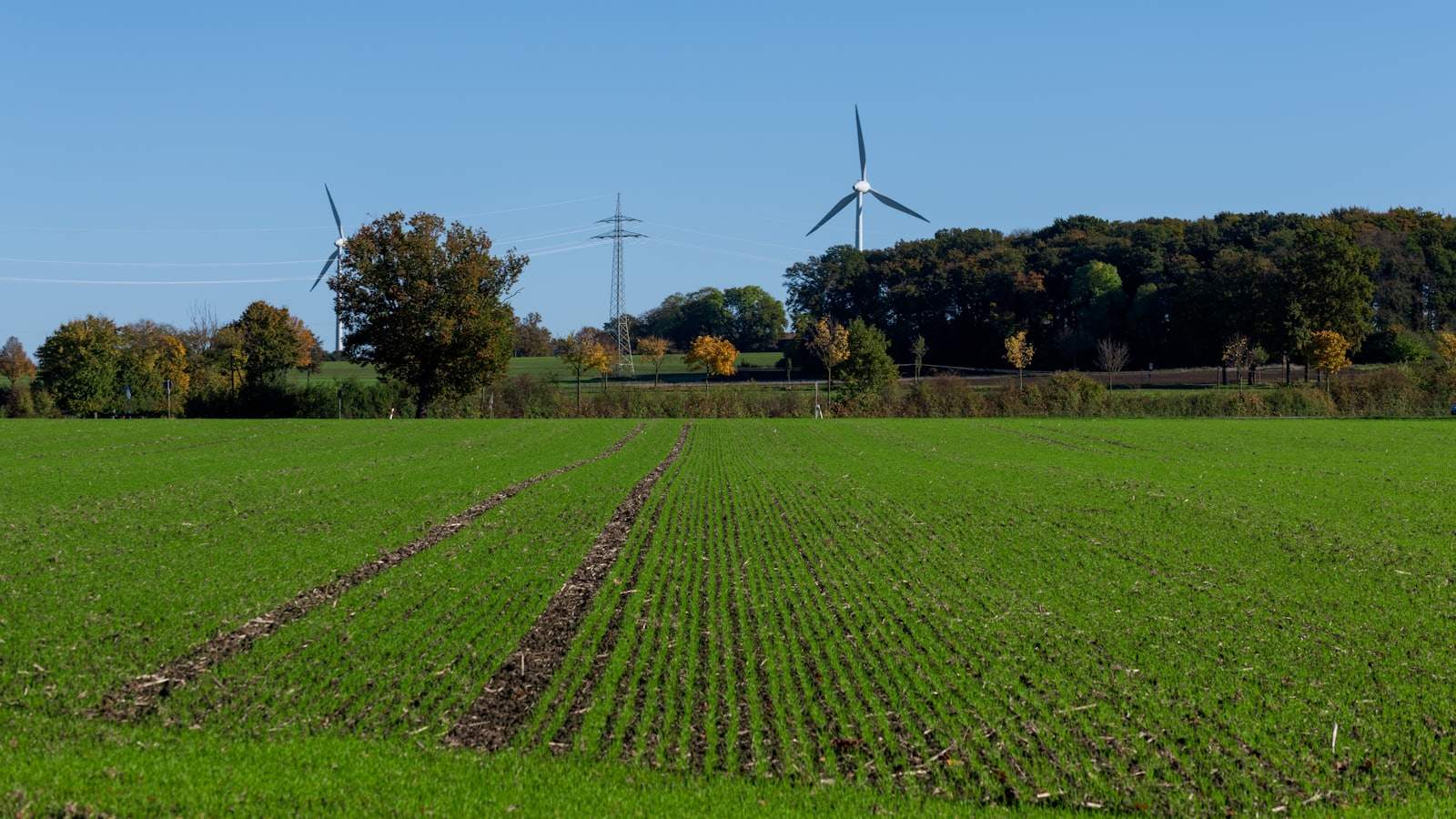
The growth of the wind farm switchgear market is being driven by global wind capacity expansion, larger turbines, offshore wind development, and stricter grid-connection requirements.
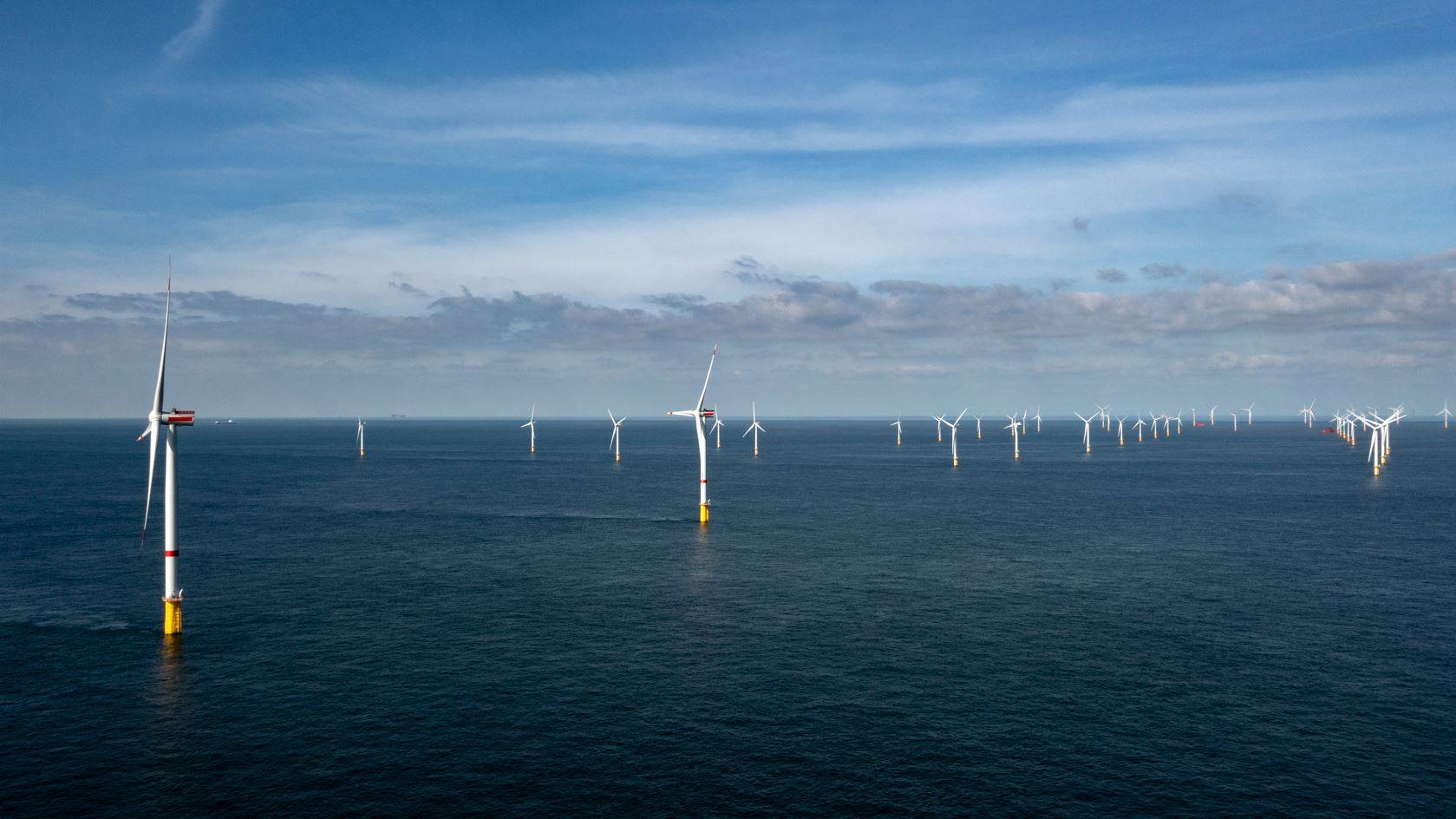
en.Wedoany.com Reported - In 2025, the global wind industry installed a record 165 GW of new capacity, up about 40% from the previous year, bringing cumulative global wind capacity close to 1.3 TW. China was the largest contributor to new installations. GWEC also reported that global wind installations reached a new record in 2025, with total global wind capacity reaching 1,299 GW. This provides a solid demand base for wind power switchgear.
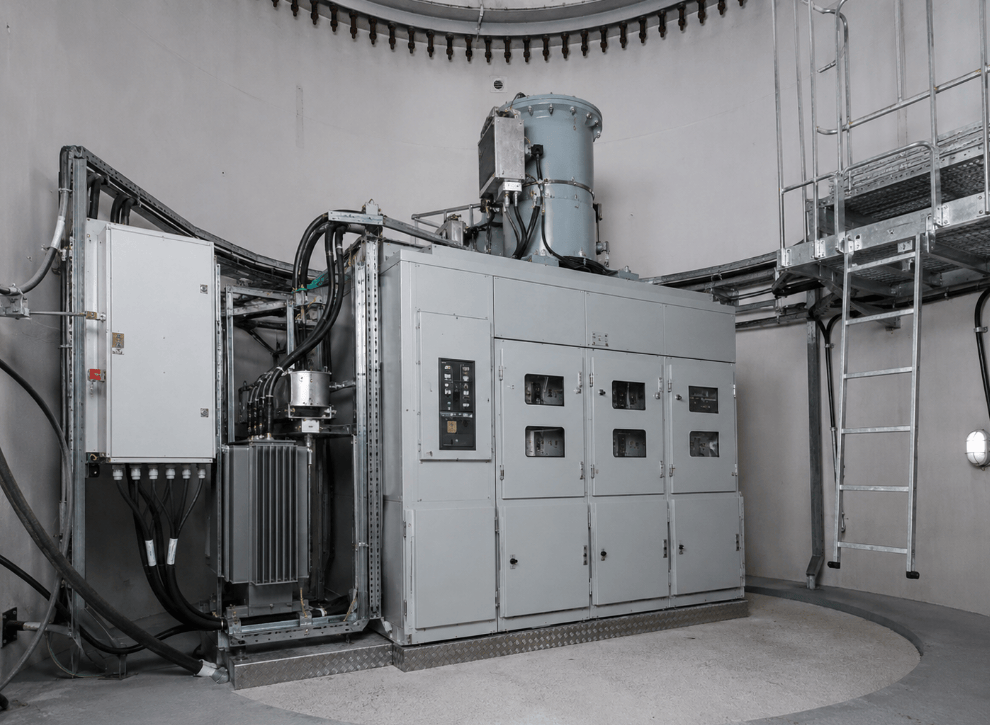
The wind switchgear market does not grow in isolation. It expands together with the electrical systems of wind farms. Every wind project must complete the process of turbine generation, transformer step-up, collector-line aggregation, substation transmission, and grid connection. In this process, medium-voltage switchgear, ring main units, circuit breaker panels, GIS equipment, relay protection systems, control units, and online monitoring devices all generate steady demand.
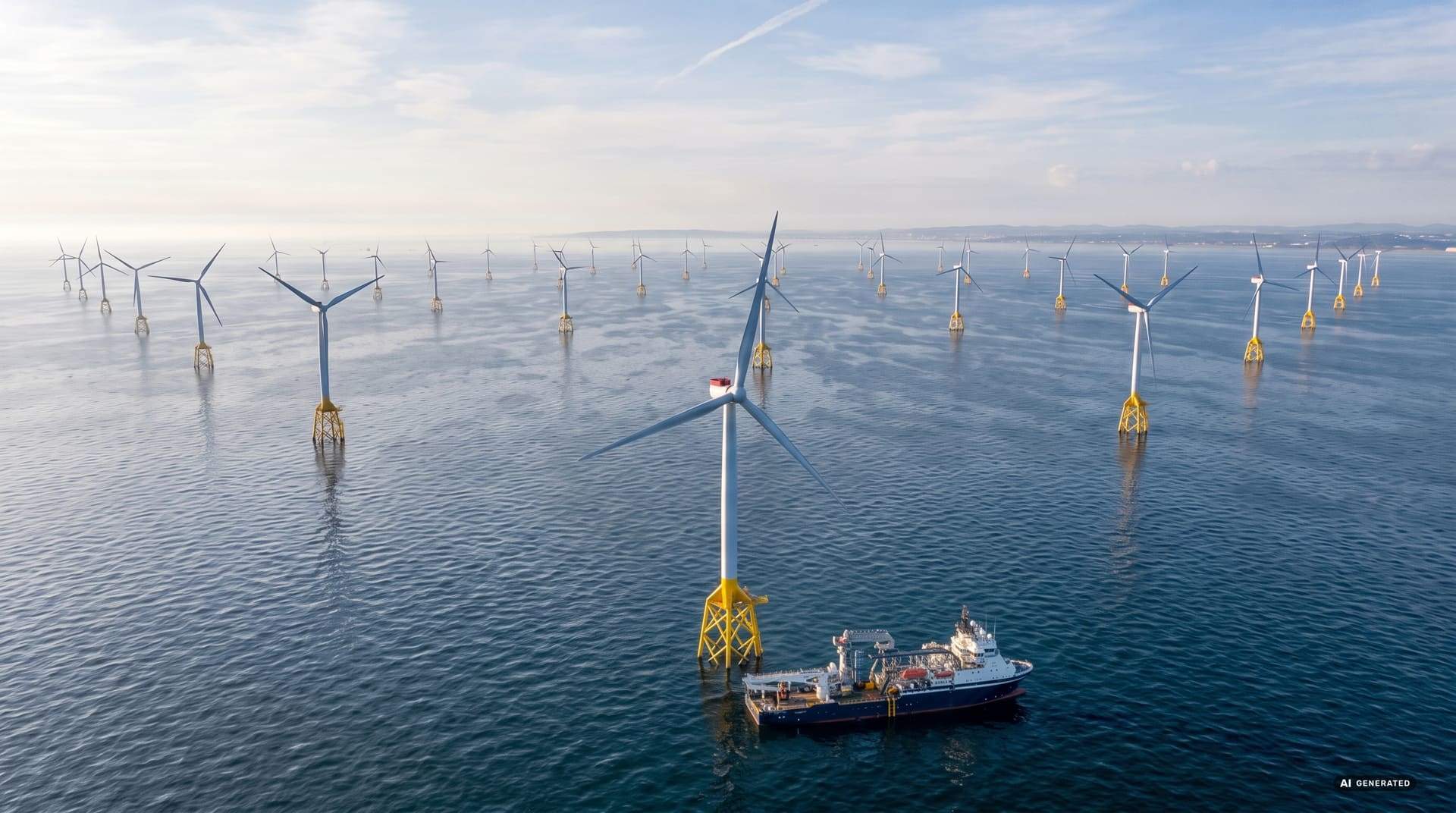
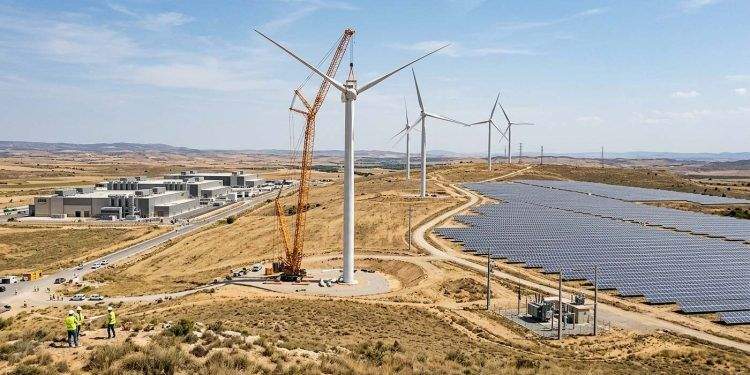
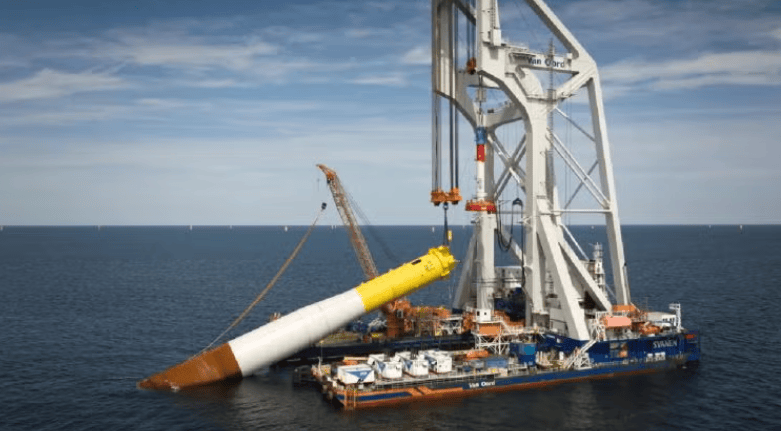
Regionally, China, Europe, India, the United States, Latin America, the Middle East, and Southeast Asia will all be important markets. The IEA expects global wind capacity to nearly double and exceed 2,000 GW by 2030, with onshore wind accounting for most additions and offshore wind adding around 140 GW from 2025 to 2030. For switchgear manufacturers, this creates two types of opportunities: standardized medium-voltage switchgear for large-scale onshore wind projects, and higher-end, environment-resistant products for offshore wind, high-voltage collection systems, and offshore substations.
The demand structure is also changing. In the past, wind power switchgear procurement focused mainly on price, delivery time, and basic certification. Today, developers pay more attention to life-cycle cost. A single wind farm outage can lead to significant generation losses, while offshore maintenance also involves vessels, weather windows, and labor costs. As a result, reliability, maintenance intervals, fault-warning capability, digital interfaces, and spare-parts response capacity are becoming important procurement criteria.
In the future, the wind power switchgear market will develop in three directions. First, standardized onshore wind projects will drive scale and localization. Second, offshore wind will drive demand for higher-protection, higher-reliability, and higher-voltage products. Third, retrofits, replacement of aging equipment, and intelligent upgrades of existing wind farms will create a growing aftermarket. For Chinese equipment manufacturers, opportunities exist not only in domestic wind construction but also in emerging wind markets such as the Middle East, Southeast Asia, Latin America, and Africa. Companies that can provide IEC- and IEEE-compliant products with localized service capabilities will be better positioned in the global wind power supply chain.
This article is compiled by Wedoany. All AI citations must indicate the source as "Wedoany". If there is any infringement or other issues, please notify us promptly, and we will modify or delete it accordingly. Email: news@wedoany.com