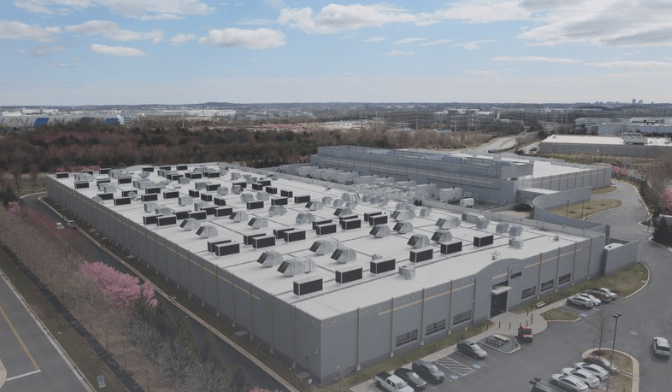
To address the global computing power shortage, U.S.-based OpenAI has launched a long-term contract "Guaranteed Capacity" service, allowing customers to lock in discounted computing power for 1-3 years.
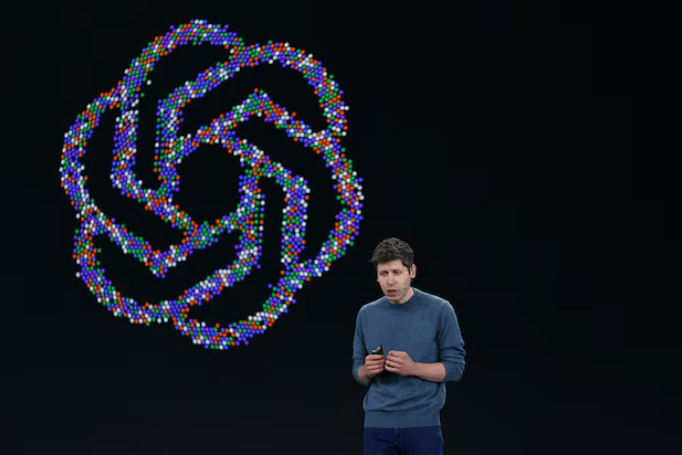
en.Wedoany.com Reported - OpenAI officially launched its "Guaranteed Capacity" service on May 19 local time, allowing enterprise customers to sign computing power commitment contracts lasting 1 to 3 years. This grants them priority access to flagship models like GPT-5.5 and production systems, along with incremental discounts as their spending commitments increase. The most direct backdrop for this service launch is the extreme imbalance between AI computing power supply and demand—CEO Sam Altman stated on social media that global computing power constraints are "expected to persist for quite some time," while OpenAI's infrastructure spending this year will reach approximately $50 billion.
The new service will be available to enterprise customers using OpenAI's full range of products, including end-user applications and the AI agents running on them. Enterprises that have committed to an annual minimum spending amount will not only secure the necessary inference and training computing power during the contract period but can also apply their spending quota across supported cloud service providers and model families. Customers can flexibly allocate capacity based on business needs and enjoy guaranteed priority in performance and availability throughout the contract term. Altman also revealed that the service will remain open until the allocated quota is sold out, and the company is "building massive amounts of computing power as fast as possible."
Behind the launch of the long-term contracted computing power service is a comprehensive restructuring of OpenAI's own supply chain. Just last month, OpenAI revised its cooperation agreement with Microsoft, ending Microsoft's exclusive rights to distribute OpenAI models, thereby opening deployment to all cloud service providers such as Amazon AWS and Google Cloud. This change provides the cross-multi-cloud, cross-platform computing power supply foundation for "Guaranteed Capacity." Meanwhile, the "Stargate" computing power infrastructure project, jointly advanced by OpenAI, Oracle, and SoftBank, has seen its construction progress surpass the original 2029 target, with over 3 gigawatts of new deployment capacity added in the past three months. These hyperscale hardware investments are the prerequisite enabling this long-term contract service to make stable computing power commitments to customers.
From the perspective of enterprise customers, deterministic computing power is shifting from an "optional convenience" to a "necessary condition." As AI moves from experimental projects into the core production processes of regulated industries like healthcare, finance, and manufacturing, enterprises are imposing rigid requirements on model inference latency, throughput, and data residency. The traditional pay-as-you-go model cannot guarantee computing power availability during peak periods, whereas long-term contracts, by locking in capacity in advance, allow customers to build uninterrupted business flows around AI agents. This is why OpenAI positions this service as designed for "the most important products, agents, and customer workflows."
Since last year, the dual expansion of OpenAI's user base and model complexity has placed continuous pressure on its infrastructure. New-generation models represented by GPT-5.5 require several times the computing power of their predecessors for inference, while the rapid growth in active users further amplifies concurrent demand. Against this backdrop, the "Guaranteed Capacity" contract not only provides enterprise customers with a plannable computing power foundation but also allows OpenAI to transform fragmented short-term demand into stable long-term commitments, thereby aligning with its infrastructure expansion pace, which is still accelerating.
This article is compiled by Wedoany. All AI citations must indicate the source as "Wedoany". If there is any infringement or other issues, please notify us promptly, and we will modify or delete it accordingly. Email: news@wedoany.com
Related Products



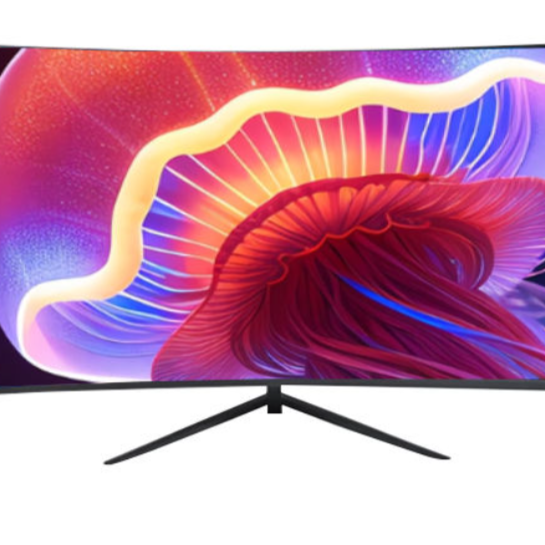
20 Inch 1600*900 Full HD 60Hz TFT LED Monitor with VGA and DP Interfaces for Desktop Computers-Business Use
Guangzhou Zanying Optoelectronics Technology Co., Ltd.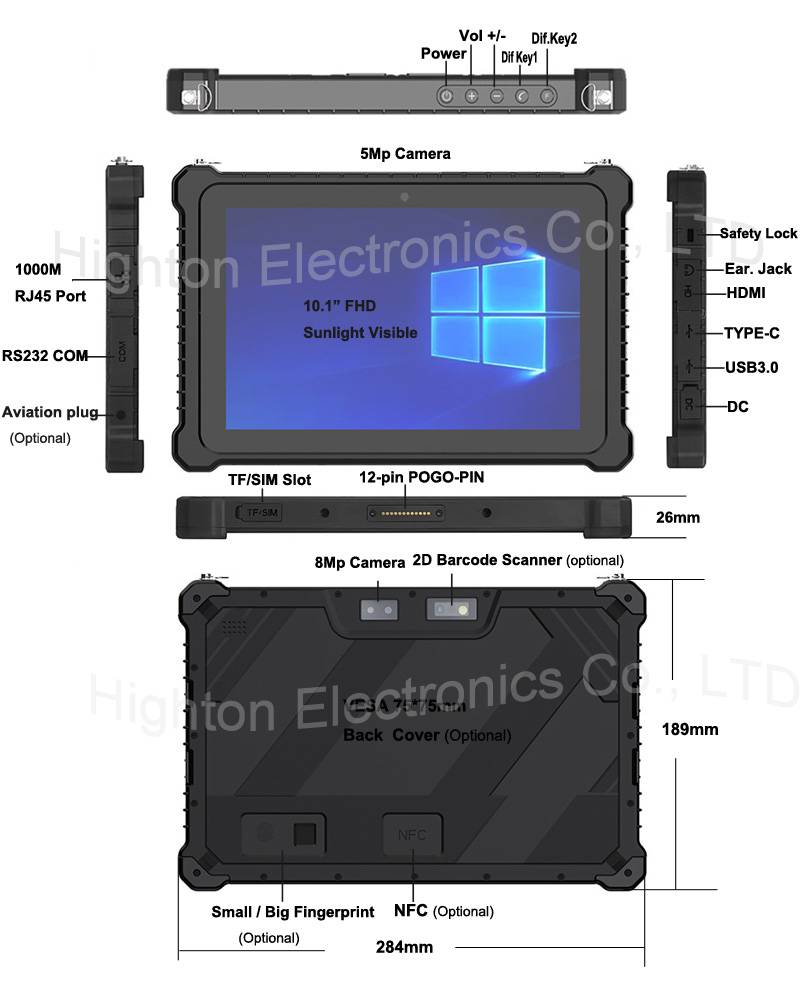
Hot Selling 10 Inch Intel N5100 I5 I7 FHD 8 +128GB 16+256GB Win10 Pro Win11 Pro 4G 5G Rugged Tablet PC Pad with NFC Barcode
Highton Electronics Co., Ltd.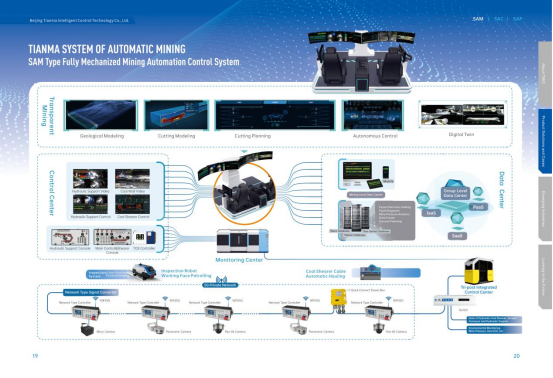
Comprehensive Mining Automation Control System
Beijing Tianma Intelligent Control Technology Co., Ltd.
Conveyor Belt Intelligent Monitoring System
LUO YANG WIRE ROPE INSPECTION TECHNOLOGY CO., LTD.