Agrivoltaics Economics Should Not Be Calculated Like Ordinary Solar Farms
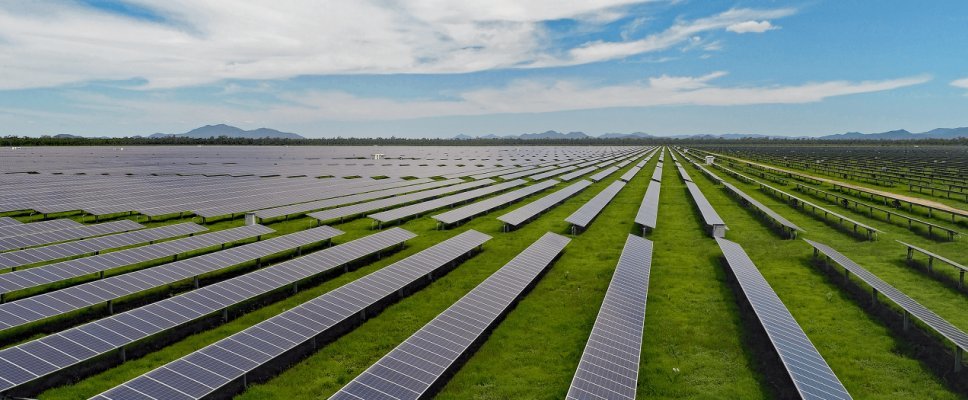
en.Wedoany.com Reported - The economics of ordinary ground-mounted solar farms usually revolve around installation cost, energy yield, electricity price, land rent and O&M cost. Agrivoltaics, however, is a hybrid agriculture-energy project. If it is evaluated only with a conventional solar farm model, agricultural value may be underestimated and electricity revenue may be overestimated.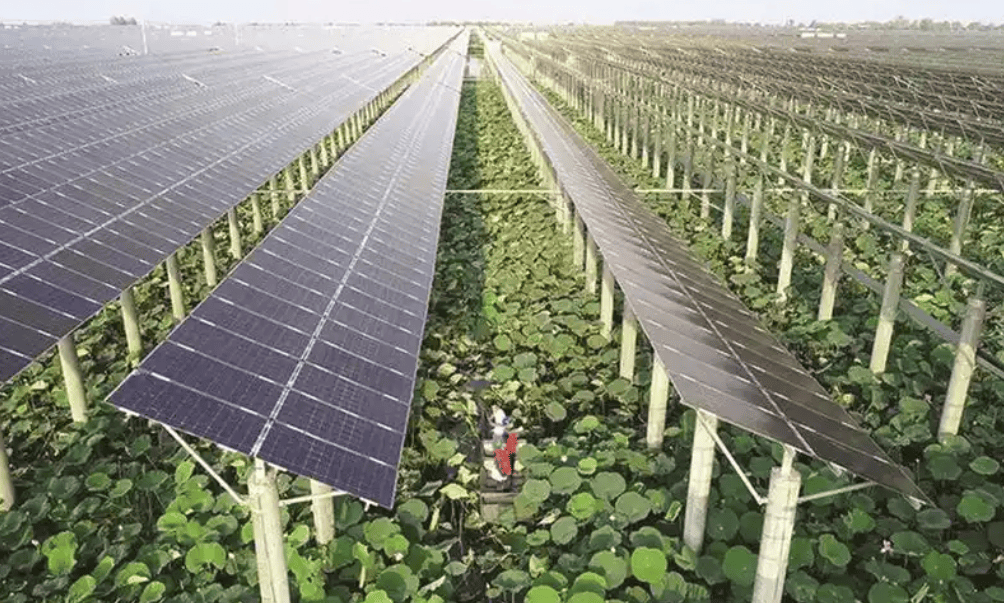
The cost structure of agrivoltaics differs from that of ordinary PV. To support agricultural production, projects may require higher mounting structures, wider row spacing, more complex foundations, machinery access, irrigation adjustments and more refined O&M. These factors increase initial investment. Lower module density or stricter shading control may also reduce installed capacity per unit of land compared with conventional solar farms.
Agrivoltaics also creates additional revenue. Beyond electricity, it may generate value through optimized land rents, crop income, pasture or grazing income, irrigation water savings, ecological restoration, higher community acceptance and improved agricultural resilience. For farmers, stable land lease payments, participation in operating income or higher-value farm products may be more attractive than one-time compensation.
Market research also indicates that Agrivoltaics is becoming a growth segment. Some third-party industry reports expect the global agrivoltaics market to grow rapidly over the next decade, driven by dual land use, policy support, rural charging demand and renewable energy development. Such forecasts are useful for trend reference, but specific projects must still be evaluated with local agricultural and power revenue models.
A professional recommendation is to build a dual-revenue model. The first is the energy ledger, covering generation, grid tariff, curtailment risk, storage configuration and O&M cost. The second is the agricultural ledger, covering crop yield, quality changes, water cost, machinery efficiency, labor cost and sales price. Only when both ledgers work can the project be sustainable.
Future Agrivoltaics competition will not be about who controls the most land. It will be about who can generate higher total value from the same land. Agrivoltaics is not a simple addition of solar and agriculture; it is coordinated management of land assets, energy assets and agricultural assets.
This article is compiled by Wedoany. All AI citations must indicate the source as "Wedoany". If there is any infringement or other issues, please notify us promptly, and we will modify or delete it accordingly. Email: news@wedoany.com
Related Products

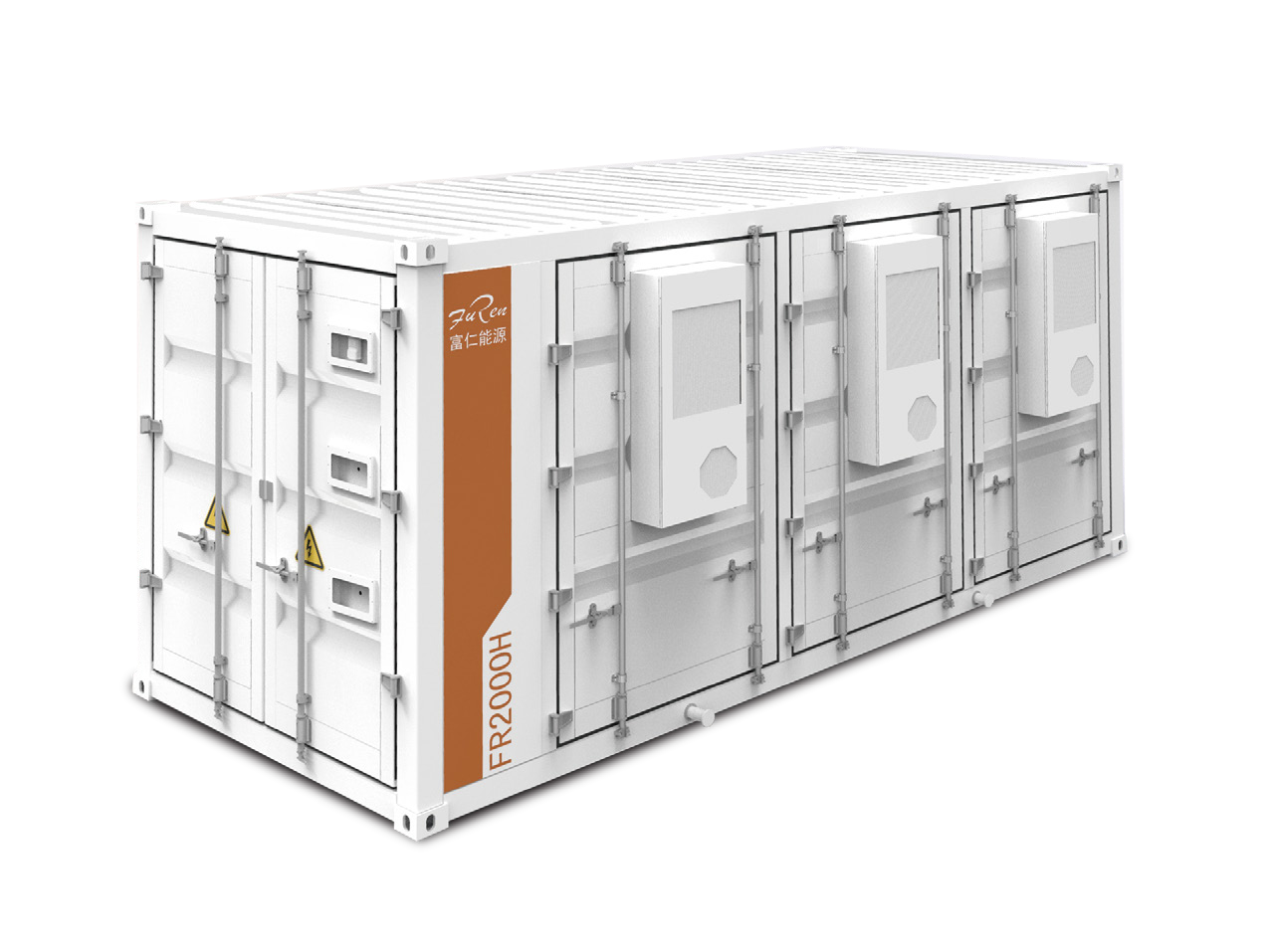
FR2000H 2.15MWh (Air-cooled) 20-foot Containerized Energy Storage System
Jiangyin Furen High-tech Co., Ltd.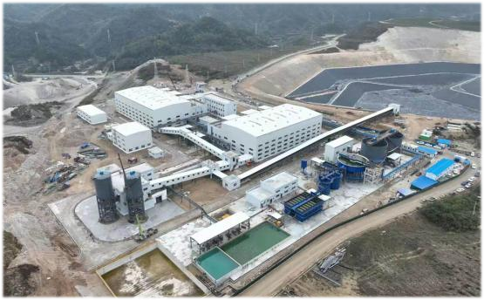
Yingping Mining Section Open-pit Tailings Backfill Treatment of Goaf Ecological Restoration EPC Project
China Bluestar Lehigh Engineering Corporation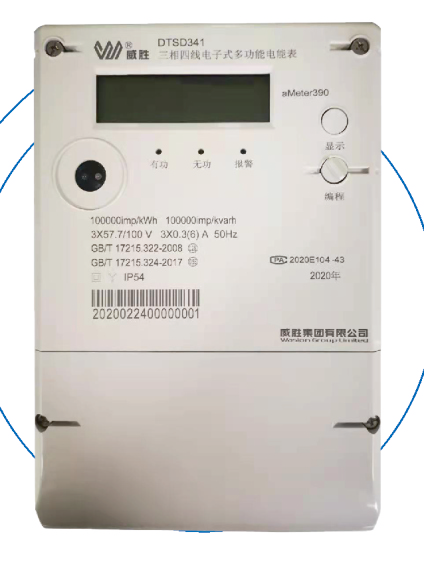
Overseas IEC Gateway Energy Meter - DTSD341/DSSD331-aMeter390
Wasion Group Limited Co., Ltd.

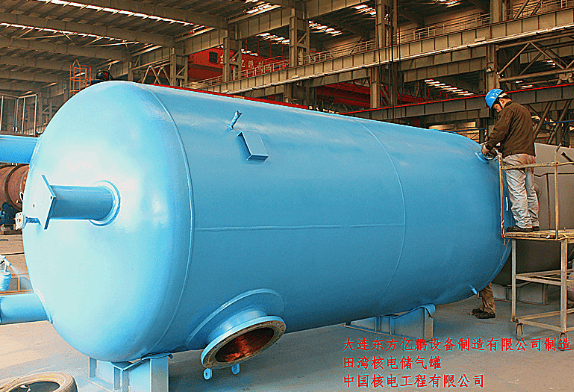
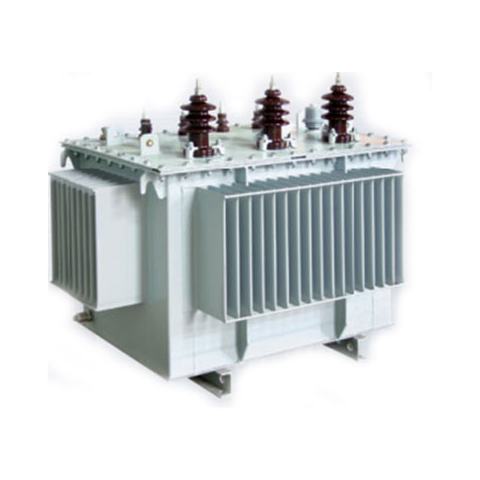

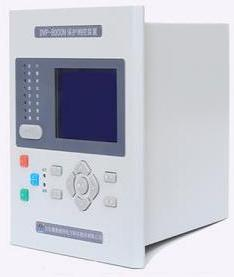
Microcomputer Protection and Substation Automation
Beijing Agent Devote Power Technology Development Co., Ltd.
Inductive Power Harvesting Self-Powered Device - Safuneng
SELF ENERGY TECHNOLOGY (SHENZHEN) CO., LTD.