Engineering Challenges in Agrivoltaics: Mounting Height, Row Spacing and Machinery Access
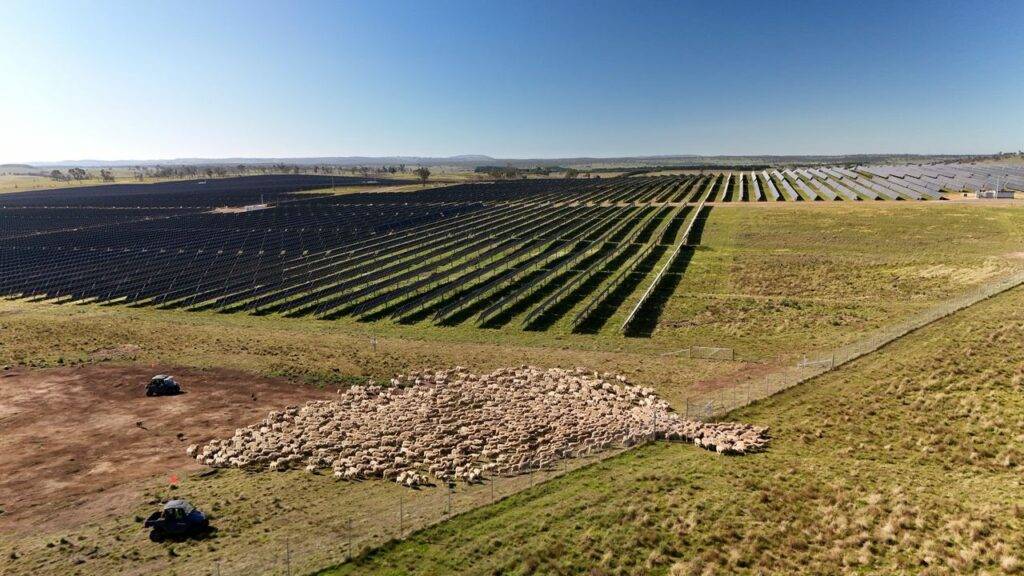
en.Wedoany.com Reported - The technical difficulty of Agrivoltaics lies not only in the PV system, but also in agricultural operations. Ordinary ground-mounted PV mainly considers module tilt, foundations, row spacing, cable routes and O&M roads. Agrivoltaics must also consider crop growth, machinery access, irrigation, harvesting routes and worker safety. Its engineering complexity is therefore much higher than that of conventional solar farms.
Mounting height is the first key parameter. If structures are too low, crop growth, manual management and machinery access may be restricted. If they are too high, steel consumption, foundation cost, wind resistance requirements and construction difficulty increase. In strong-wind regions, tall structures also bring higher structural safety requirements. Mounting height should therefore be determined according to agricultural operations, not only PV installation habits.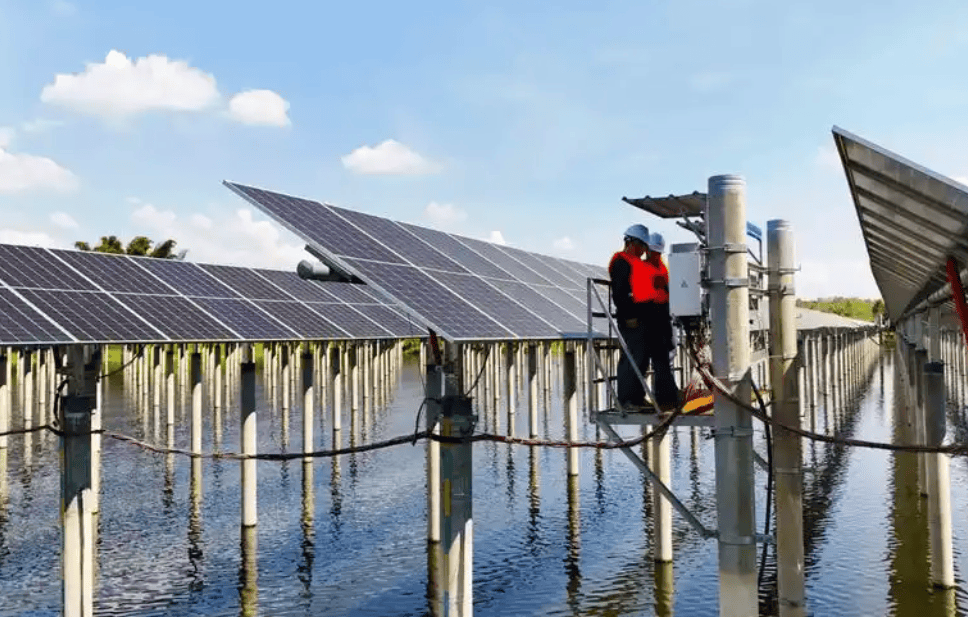
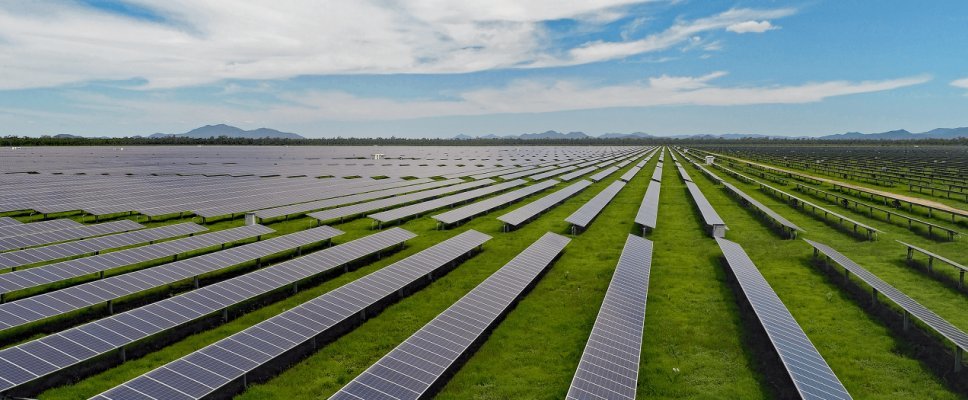
Row spacing and shading uniformity are the second key issue. Smaller row spacing increases installed capacity, but reduces crop light and increases uneven shading. Wider spacing supports crops and machinery, but lowers power generation per unit of land. Research shows that photosynthetically active radiation at crop level can vary significantly under different agrivoltaic layouts, so design must be based on crop needs and local sunlight conditions.
Machinery access is a practical issue often underestimated. Field crops, pasture and facility agriculture use machines with different widths, turning radii and working heights. If foundations, cable trenches, inverters, transformers and fences are poorly arranged, agricultural efficiency can decline sharply and farming may become only nominal.
A professional recommendation is to complete an agricultural operation flow diagram before design. Seeding, irrigation, fertilization, pest control, harvesting, transportation and maintenance should all define their required passages, spaces and equipment. PV design should optimize around agricultural workflows, rather than forcing agriculture to adapt passively to PV arrays.
The engineering standard of high-quality agrivoltaic projects should move from “PV can be built” to “agriculture can operate sustainably.” If farming cannot continue normally, the project is not true Agrivoltaics; it is only a ground-mounted solar plant with an agricultural label.
This article is compiled by Wedoany. All AI citations must indicate the source as "Wedoany". If there is any infringement or other issues, please notify us promptly, and we will modify or delete it accordingly. Email: news@wedoany.com
Related Products

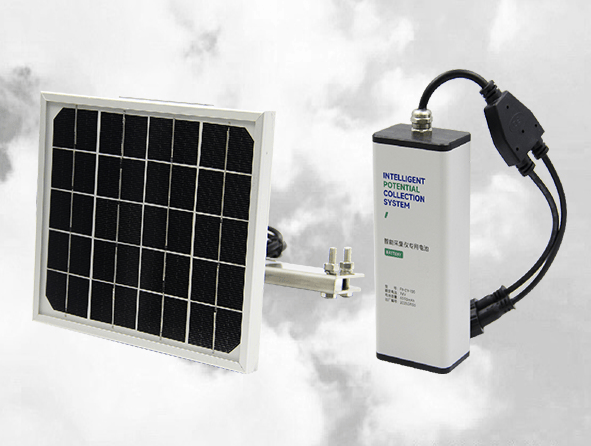
Inductive Power Harvesting Self-Powered Device - Safuneng
SELF ENERGY TECHNOLOGY (SHENZHEN) CO., LTD.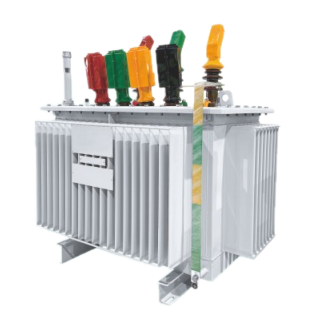
IS(B)□-M·RL Series Oil-immersed 3D Transformer (Planar / 3D Wound Core)
Guangdong Kehua Electric Power Technology Co., Ltd.

Manufacturer Direct Sales Tesla New Energy Electric Vehicle Universal DC 180kW Dual-gun Charging Pile Commercial Fast Charger
Anhui Haidira Electric Technology Co., Ltd.
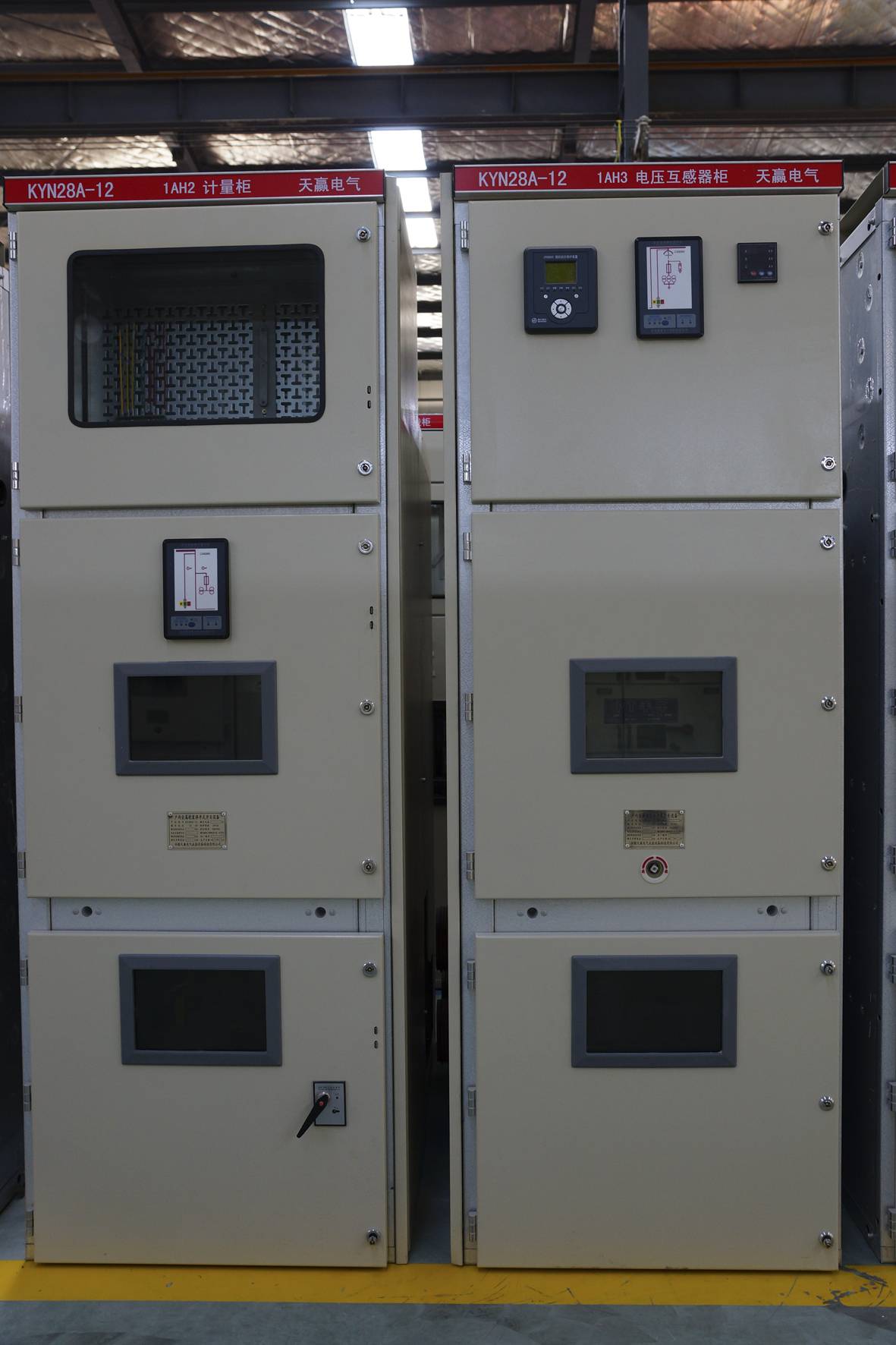
KYN28 - High Voltage Switchgear
Anhui Tianying Electrical Equipment Manufacturing Co., Ltd.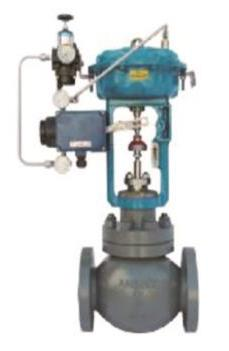
Quick-Change Single-Seat Control Valve / Quick-Change High-Pressure Single-Seat Control Valve
Beijing Consen Automation Technology Co., Ltd.