en.Wedoany.com Reported - When discussing Agrivoltaics, the industry often focuses on installed capacity, grid connection and project investment. However, what truly determines long-term stability is whether farmers and agricultural operators receive sustainable benefits. If farmers bear land-use changes and production inconvenience without sharing value, agrivoltaic projects will struggle to gain long-term social acceptance.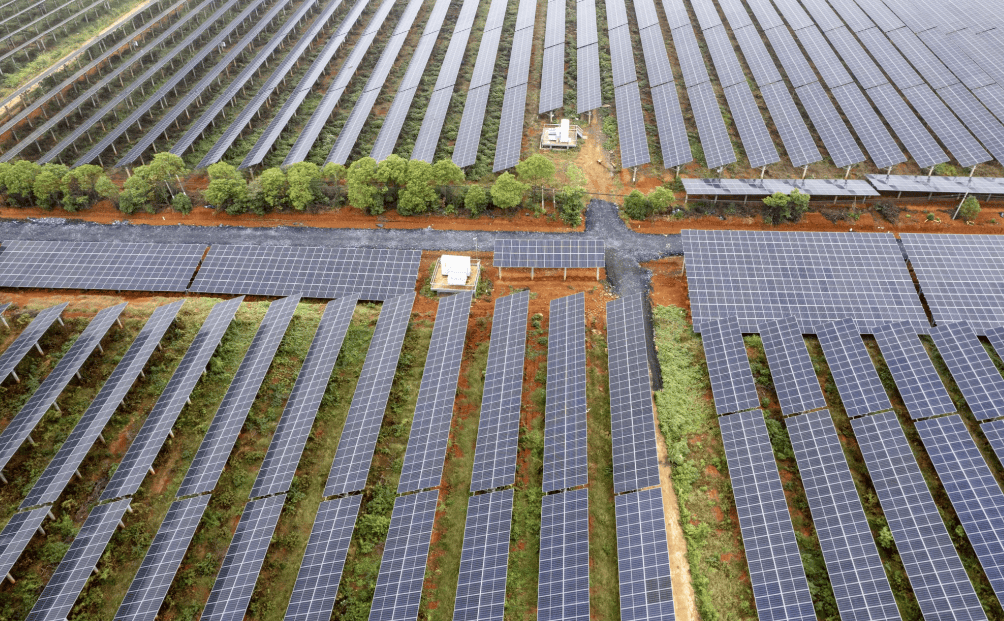
From a farmer’s perspective, agrivoltaics creates three types of income. The first is land lease or cooperation income, providing relatively stable cash flow. The second is agricultural production income. If shading improves crop quality, reduces water use or lowers losses from extreme weather, farm income may increase. The third is service income. Local farmers can participate in vegetation management, grazing, O&M support, cleaning and security.
NREL’s U.S. examples show that agrivoltaics includes grazing, crops, pollinator habitats and greenhouses, indicating that business models are not limited to simple land leasing. Different regions can choose different participation methods according to agricultural conditions and management habits.
Risks remain. If contracts focus only on developer benefits and marginalize agriculture, farmers may gradually withdraw. If structures and roads affect machinery operations, farming costs may rise. If power generation revenue has no link to farmers, they may lack motivation to support maintenance and site management.
A professional recommendation is to establish farmer participation mechanisms. Contracts should define land use, agricultural operating rights, revenue sharing, facility maintenance, crop loss compensation and project exit mechanisms. For crop-based projects, a division of labor between farmer-managed agriculture and developer-managed PV may work. For grazing projects, long-term pasture and livestock management agreements can be established.
The future success of Agrivoltaics will depend not only on technical design, but also on value-sharing design. Only when farmers, investors, grids and local governments all receive reasonable benefits can agrivoltaics move from demonstration projects to a real industry model.
This article is compiled by Wedoany. All AI citations must indicate the source as "Wedoany". If there is any infringement or other issues, please notify us promptly, and we will modify or delete it accordingly. Email: news@wedoany.com