Why Agrivoltaics Is Especially Valuable in Dry Regions: Recalculating the Value of Water
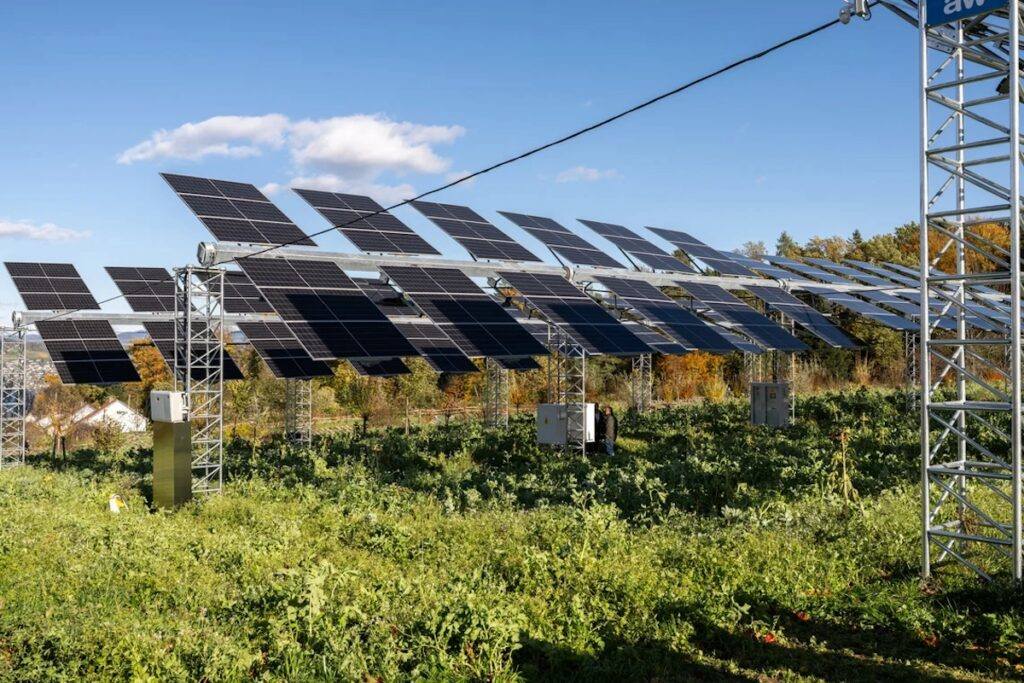
en.Wedoany.com Reported - In arid and semi-arid regions, agriculture faces high temperatures, strong sunlight, high evaporation and tight irrigation water supply. At the same time, these regions often have abundant solar resources and are suitable for PV development. The special value of Agrivoltaics is most evident where water, sunlight and land are all under pressure.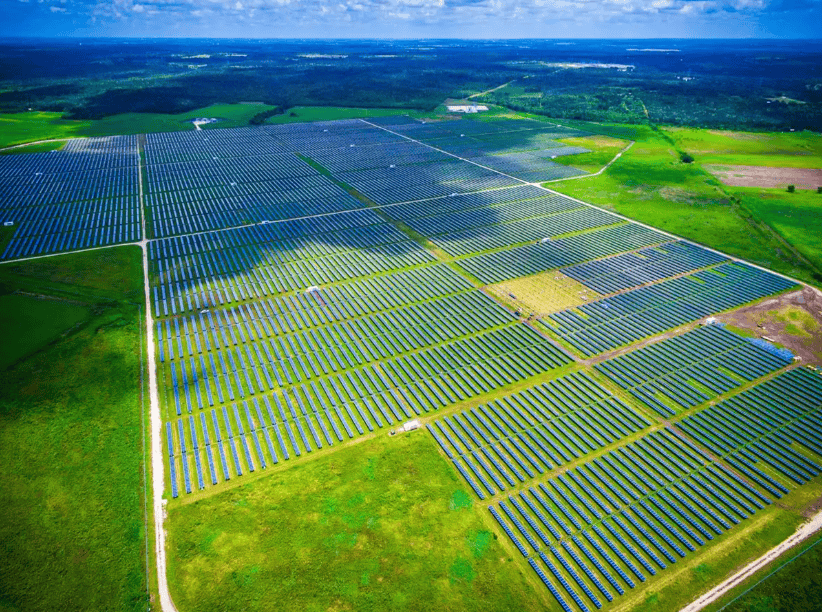
Traditional agriculture often assumes that more sunlight is always better. In hot and dry environments, however, excessive radiation and high temperatures can create crop heat stress, reduce midday photosynthesis, accelerate soil moisture evaporation and increase irrigation demand. Moderate shading from PV modules can improve the crop microclimate, reduce surface temperature and lower evaporation pressure. Research from the University of Arizona found that agrivoltaics can reduce plant drought stress, increase food production for some crops and reduce PV panel heat stress.
The value of water is becoming an important part of agrivoltaic economics. In ordinary solar projects, revenue mainly comes from electricity generation. In dry-region Agrivoltaics projects, water savings, yield stability and crop resilience should also be included in total value. If a project reduces irrigation pressure, lowers heat damage to crops and maintains stable power generation, its social and economic value can exceed that of standalone PV or standalone agriculture.
Not all dry regions should use the same design. For sun-loving crops, shading must be controlled to avoid yield loss. For shade-tolerant or heat-sensitive crops, higher shading may be beneficial. For drip-irrigated agriculture, mounting foundations, cable routing and irrigation pipes should be planned together to avoid later conflicts.
A professional recommendation is to build a “water-crop-power” evaluation model for agrivoltaics in dry regions. Projects should not calculate only installed capacity. They should also measure output per unit of water, crop stability, soil moisture change, module temperature and power generation efficiency. Under climate change and increasing water constraints, Agrivoltaics may become an important solution for combining dryland agriculture with clean energy.
This article is compiled by Wedoany. All AI citations must indicate the source as "Wedoany". If there is any infringement or other issues, please notify us promptly, and we will modify or delete it accordingly. Email: news@wedoany.com
Related Products


Industrial and Commercial Point-Type Gas Detector
Jinan Benan Technology Development Co., Ltd.
Smart Photovoltaic Prefabricated Substation
Shanghai Jinyou Jinhong Intelligent Electric Co., Ltd.
Manufacturer Direct Sales Tesla New Energy Electric Vehicle Universal DC 180kW Dual-gun Charging Pile Commercial Fast Charger
Anhui Haidira Electric Technology Co., Ltd.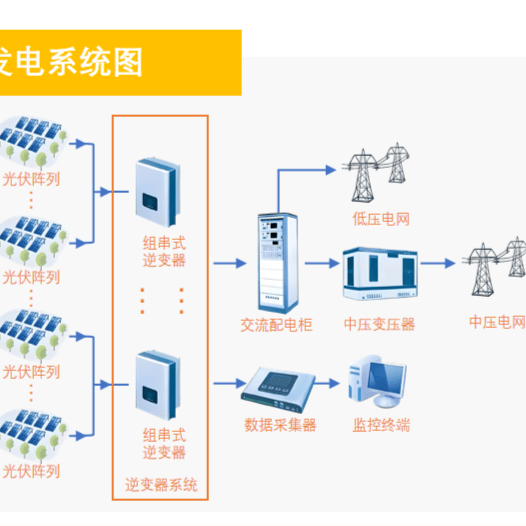
Photovoltaic and Wind Power Generation Technology
Beijing Boqi Electric Power SCI-TECH Co., Ltd.
Hydraulic Turbine Genset
Dongfang Electric Corporation Dongfang Electric Machinery Co., Ltd.
220kV and Below Voltage Level Energy-saving Oil-immersed Power Transformers
FuZhou TianYu Electric Co., Ltd.