U.S. Agrivoltaics Is Accelerating, Expanding the Commercial Boundary of the Model
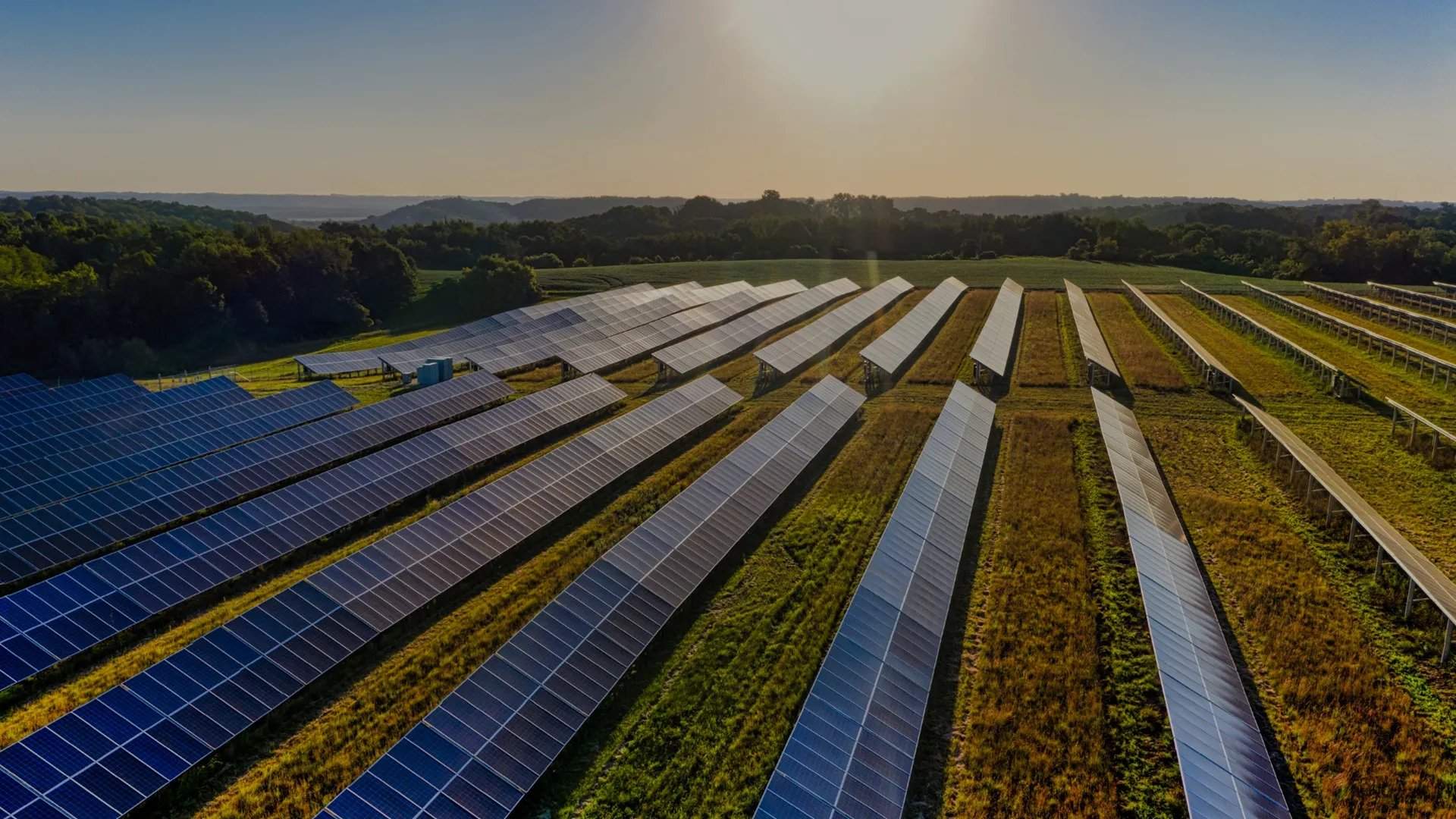
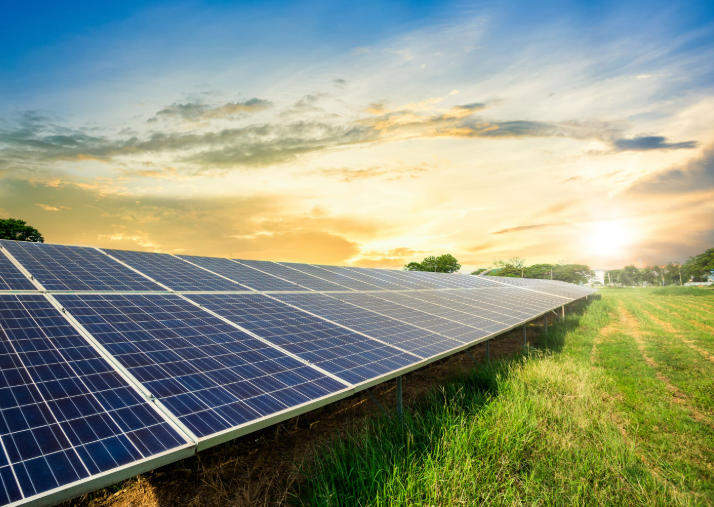
en.Wedoany.com Reported - The development of Agrivoltaics in the U.S. market is accelerating, providing an important reference for global commercialization. According to the National Renewable Energy Laboratory, U.S. agrivoltaic sites covered about 27,000 acres and produced around 4.5 GW of solar energy in 2020. By November 2024, U.S. agrivoltaics had expanded to more than 60,000 acres and about 10 GW, with nearly 600 operating sites covering grazing, crop production, native and pollinator habitat, greenhouses and combined agricultural activities.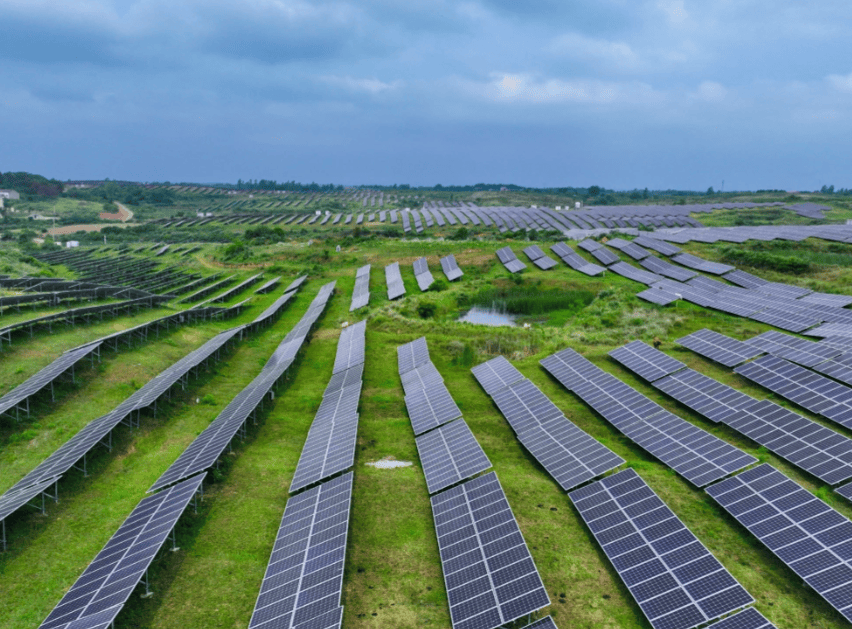
These data show that agrivoltaics is no longer only a research concept. It is becoming a scalable project model. In the western and central United States, the relationship between land use, ranching, renewable energy development and community acceptance is complex. Agrivoltaics offers a new way to coordinate energy development with agricultural interests.
One important feature of the U.S. market is the rapid development of grazing-based agrivoltaics. Sheep grazing within solar sites can reduce vegetation management costs, lower the need for mechanical mowing and chemical weed control, and provide farmers with new income. Compared with crop-based agrivoltaics, grazing projects have lower requirements for mounting height and shading uniformity, making them easier to introduce into existing ground-mounted solar plants.
Crop-based agrivoltaics, however, has greater technical value. It requires detailed study of crop type, climate, irrigation, PV layout and economics. Several U.S. research projects are exploring agricultural performance under different crops, regions and solar structures, offering useful references for arid and semi-arid regions worldwide.
For China and other major solar markets, the U.S. experience shows that Agrivoltaics should not be limited to one model. Grazing, pasture, vegetables, berries, facility agriculture, pollinator habitats and ecological restoration can all become suitable applications in different regions. Commercial success depends not on copying one solution, but on matching land, farming, climate, power prices and grid conditions.
The agrivoltaics industry will move from asking whether agricultural activity exists to asking whether it creates real value. Only when agricultural revenue, energy revenue and land management value all work together can Agrivoltaics become a long-term sustainable industry model.
This article is compiled by Wedoany. All AI citations must indicate the source as "Wedoany". If there is any infringement or other issues, please notify us promptly, and we will modify or delete it accordingly. Email: news@wedoany.com
Related Products
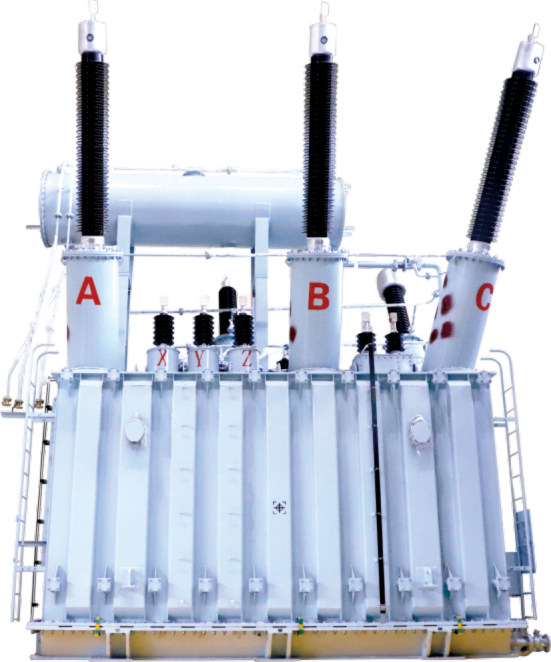

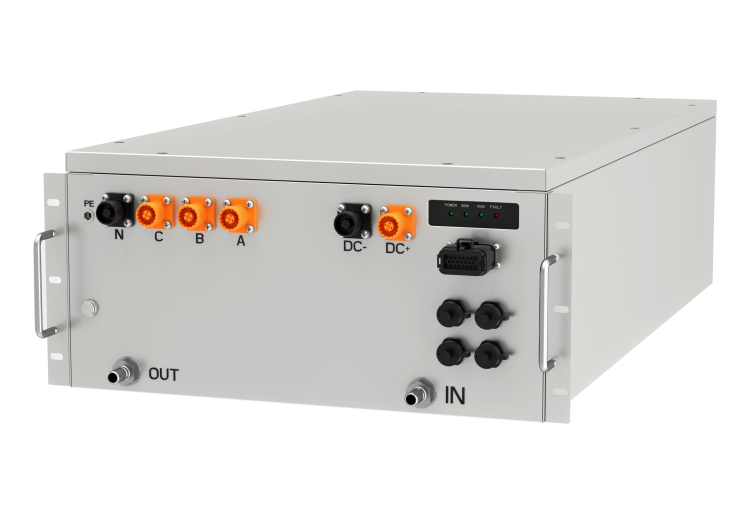
Mars (Liquid Cooling) Series Industrial and Commercial Energy Storage Converter High Protection Module
Shenzhen Winline Technology Co., Ltd.
Oil-immersed Amorphous Alloy Core Distribution Transformer
Pinggao Group Smart Electric Co., Ltd.
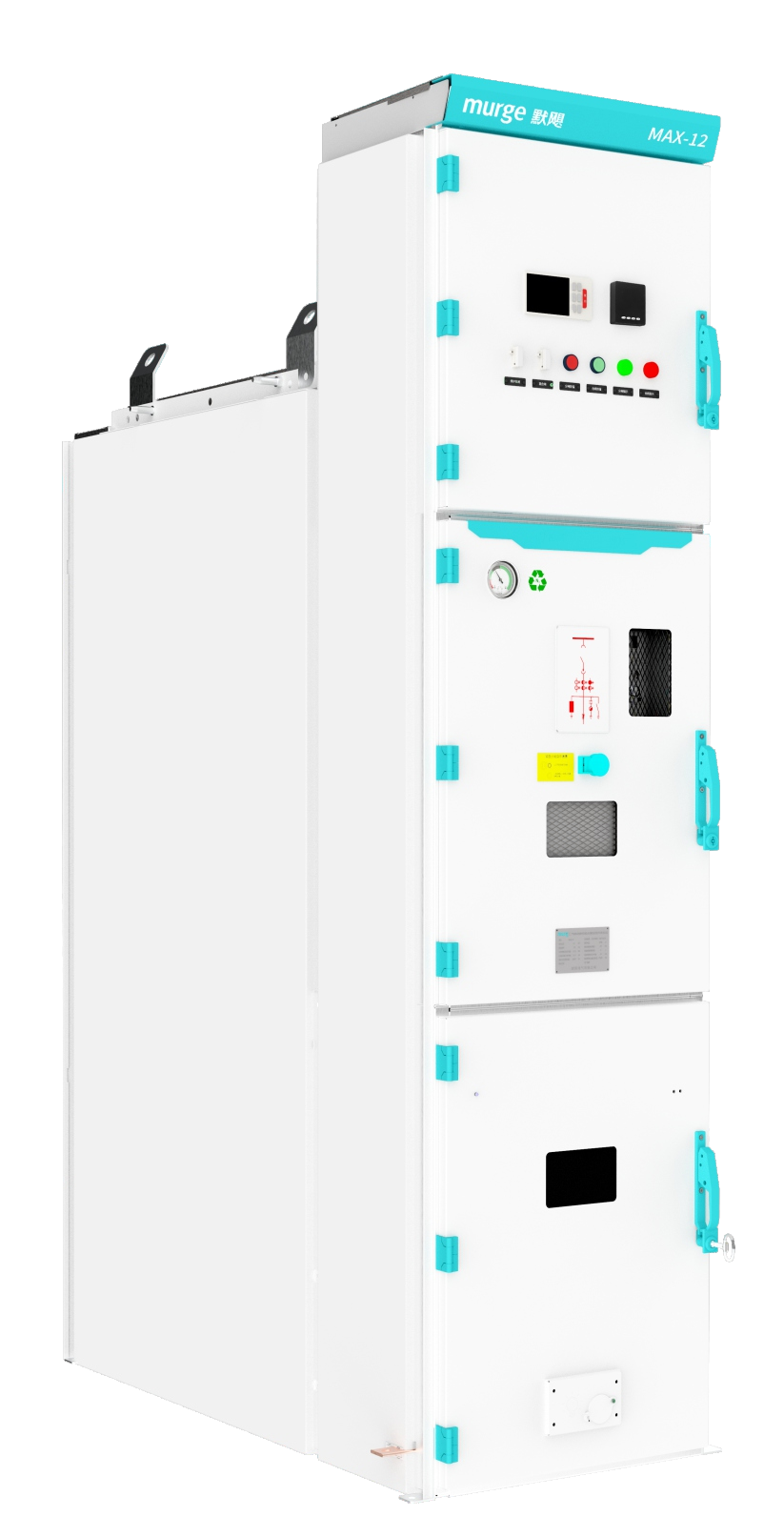
MAX-12 series Environmental Protection/SF6 gas insulated switchgear (C-GIS)
Murge Electric Co.,Ltd.
40.5kV-1100kV Gas Insulated Metal-Enclosed Switchgear (GIS)
Henan Pinggao Electric Co., Ltd.
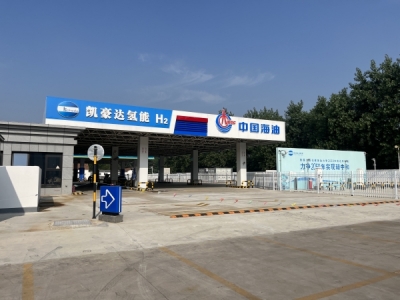
Hydrogen production and hydrogenation charging refueling gas integrated energy station
Shenzhen Kohodo Hydrogen Energy Co., Ltd.