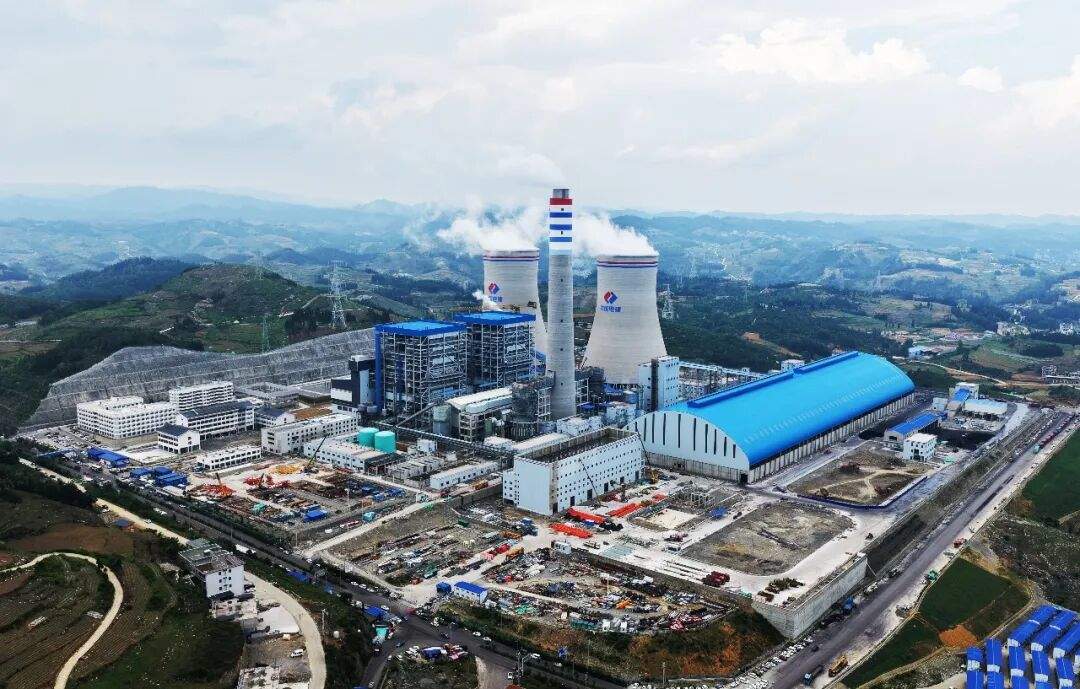
en.Wedoany.com Reported - Although wind power, solar PV and energy storage are growing rapidly, the Steam turbine power generation system remains one of the most fundamental, mature and widely used power conversion systems in the electricity industry. Its basic logic is clear: high-temperature and high-pressure steam is produced by a boiler, reactor, heat recovery steam generator, geothermal source or solar thermal system; the steam drives the turbine rotor; and the turbine drives the generator to produce electricity. The U.S. Energy Information Administration defines a steam turbine as a device that converts high-pressure steam from a boiler into mechanical energy by forcing blades to rotate and turn a generator shaft.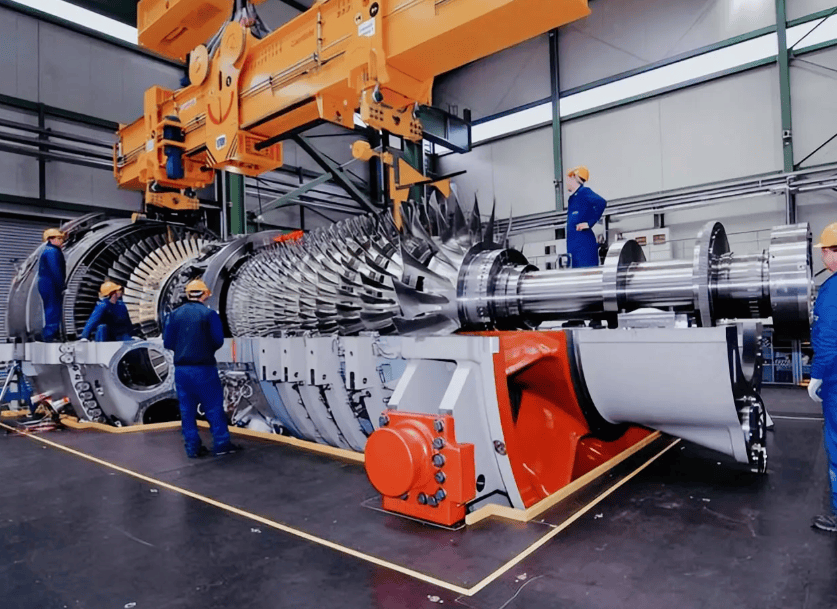
The engineering value of a steam turbine system lies in its ability to work with multiple heat sources. Coal-fired plants, nuclear plants, biomass power plants, waste-to-energy plants, geothermal plants, solar thermal plants, combined-cycle heat recovery systems and industrial waste heat power generation can all use steam turbines to convert thermal energy into mechanical and electrical energy. EIA notes that steam turbines are used to generate most of the world’s electricity and accounted for about 42% of U.S. electricity generation in 2022; nuclear reactors produce steam, and solar thermal and most geothermal power plants also use steam turbines.
A complete Steam turbine power generation system usually includes the heat source, steam system, turbine, generator, condenser, feedwater pumps, deaerator, heaters, cooling system, lube oil system, governing system, protection system, DCS control and grid connection equipment. For coal-fired units, the system also includes boilers, coal mills, fans, desulfurization, denitrification, dust removal, ash handling and flue gas systems. For nuclear units, it includes nuclear island, conventional island and safety systems. For waste heat power generation, the focus is the heat recovery steam generator and heat source stability.
The most underestimated issue is thermal system matching. Turbine efficiency is not determined only by blade design. It depends on steam parameters, reheat, regenerative heating, condenser vacuum, cooling water temperature, feedwater temperature, sealing condition and load level. If condenser vacuum deteriorates, heaters leak, valve throttling loss rises or seals wear, plant heat rate, auxiliary power use and output are affected. For large power plants, even a small heat-rate deterioration can become significant fuel cost and carbon pressure over time.
As renewable energy penetration rises, the role of steam turbine units is also changing. They are no longer only baseload machines running at high load for long periods. They increasingly provide peak regulation, reserve capacity, district heating, industrial steam and system stability support. The IEA projects that low-emissions electricity sources, including renewables and nuclear, will rise from 42% of global generation in 2025 to 50% by 2030, while coal’s share falls from 34% to 27%. This means traditional steam turbine plants must balance efficiency, flexibility, safety and low-carbon retrofits.
When planning or upgrading a Steam turbine power generation system, enterprises should focus on four issues. First, heat source stability: whether the boiler, reactor, heat recovery boiler or geothermal source can continuously provide qualified steam. Second, main and auxiliary equipment matching: avoiding imbalance among turbine, condenser, feedwater system, cooling system and generator. Third, operational flexibility: assessing low-load stability, ramping capability, extraction steam and peak-shaving capability. Fourth, long-term O&M: monitoring vibration, bearing temperature, vacuum, steam rate, heat rate, lube oil, valve tightness and blade condition. The competitiveness of a steam turbine power system is not only installed capacity, but long-term safe, stable, efficient and dispatchable operation.
This article is compiled by Wedoany. All AI citations must indicate the source as "Wedoany". If there is any infringement or other issues, please notify us promptly, and we will modify or delete it accordingly. Email: news@wedoany.com