Upgrading Steam Turbine Power Generation Systems Depends on Efficiency, Flexibility and Reliability
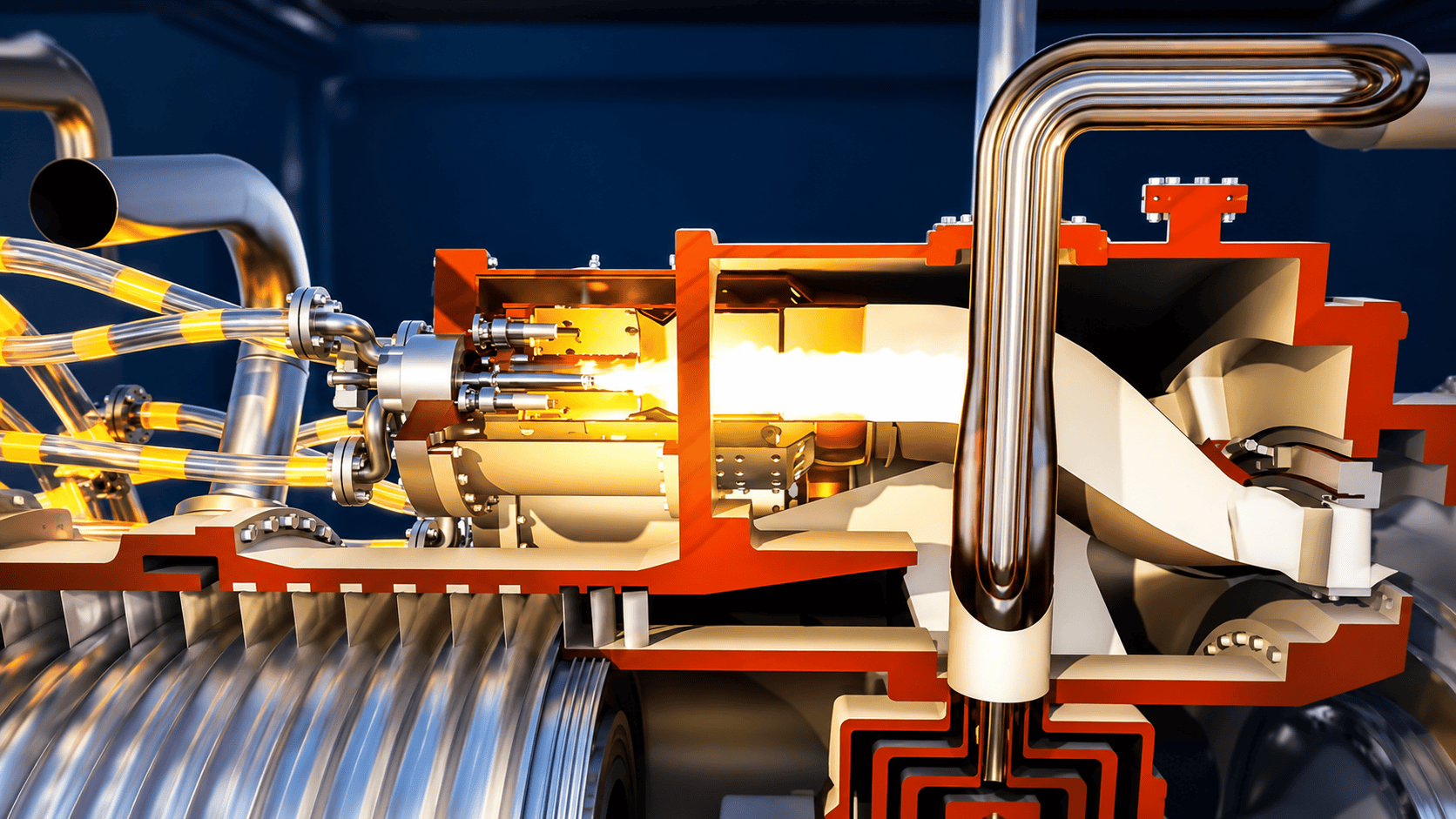
en.Wedoany.com Reported - As power systems transform, the upgrade focus of the Steam turbine power generation system is changing. In the past, power plants mainly aimed to increase rated output and reduce full-load heat rate. Today, they also need low-load operation, fast peak regulation, heating integration, reliable starts and stops, carbon management and auxiliary power optimization. For existing coal-fired, nuclear, waste heat and biomass plants, steam turbine upgrades are shifting from single-machine efficiency improvements to whole-plant capability redesign.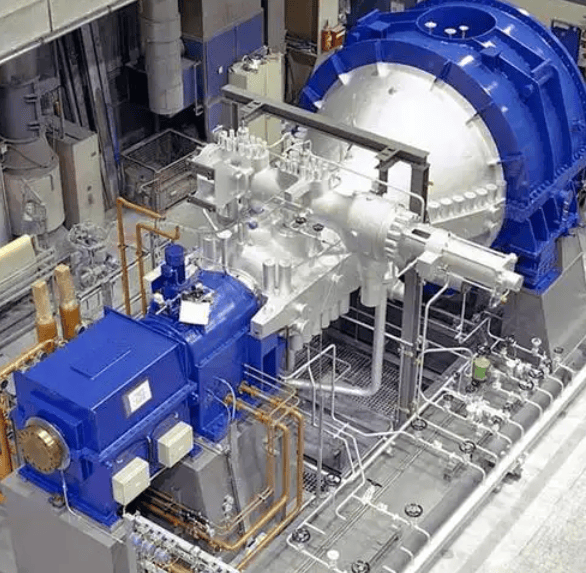
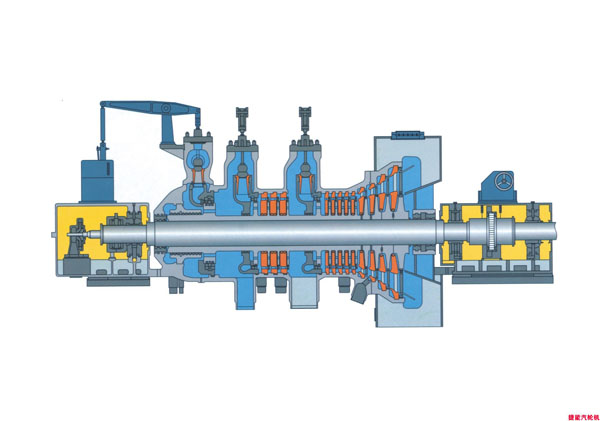
Efficiency improvement remains the foundation. Common measures include turbine flow-path retrofit, blade profile optimization, seal upgrades, condenser vacuum improvement, regenerative feedwater system restoration, valve leakage control, cold-end optimization and variable-frequency auxiliary drives. Turbine efficiency reduces steam consumption. Cold-end optimization improves exhaust pressure. Feedwater heater restoration raises feedwater temperature. Auxiliary optimization reduces station service power. EIA’s explanation of steam turbine generation shows that steam driving a turbine and generator is an important method for coal, nuclear, solar thermal and most geothermal power plants.
Flexibility retrofit is becoming a new priority. As wind and solar variability increases, some steam turbine units must participate more frequently in deep peak regulation. At low load, boiler combustion stability, turbine differential expansion, gland sealing, condenser vacuum, feedwater pump operation, SCR inlet temperature and auxiliary efficiency all change. If plants only require units to reduce load without matching the thermal system, environmental system and control system, deep regulation can increase equipment life loss, energy use and emission fluctuation.
Reliability is the bottom line. Steam turbines rotate at high speed, and failures in blades, rotors, bearings, control valves, main steam valves, condensers or lube oil systems can cause unplanned shutdowns or serious equipment incidents. Operators should not wait for problems to appear during overhaul. They should identify degradation trends early through vibration, temperature, oil analysis, shaft displacement, differential expansion, vacuum and metal condition monitoring. Maintenance should gradually move from scheduled overhaul to condition-based and predictive maintenance.
Global energy investment trends also show that conventional plant retrofits must align with low-carbon transition. The IEA’s World Energy Investment 2025 states that global energy investment is expected to reach USD 3.3 trillion in 2025, with around USD 2.2 trillion going to renewables, nuclear, grids, storage, low-emissions fuels, efficiency and electrification, about twice the amount going to oil, gas and coal. This means future investment in steam turbine systems must increasingly serve power system reliability, low-carbon transition and energy efficiency, not simply generation expansion.
Steam turbine power generation system upgrades should follow three steps. First, conduct thermal performance diagnosis, identifying problems in steam rate, heat rate, cold-end losses, regenerative heating, valve losses and auxiliary power. Second, assess flexibility, including minimum stable load, ramp rate, heating extraction, start-stop frequency and environmental system adaptability. Third, build a reliability loop with component life records, online monitoring, fault warning and maintenance strategy. The future value of steam turbine systems is not only continuing to generate electricity, but providing stable, adjustable and reliable thermal support after high shares of renewables enter the grid.
This article is compiled by Wedoany. All AI citations must indicate the source as "Wedoany". If there is any infringement or other issues, please notify us promptly, and we will modify or delete it accordingly. Email: news@wedoany.com
Related Products


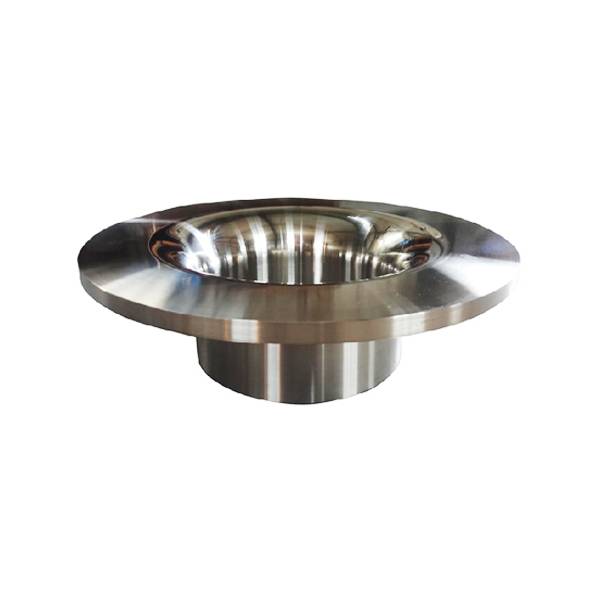
Standard Nozzle Flowmeter
Jinggong Automatic Control Instrument Complete Technology Development Company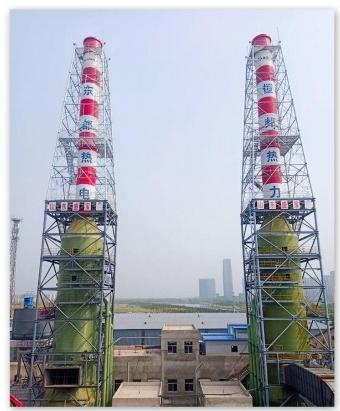
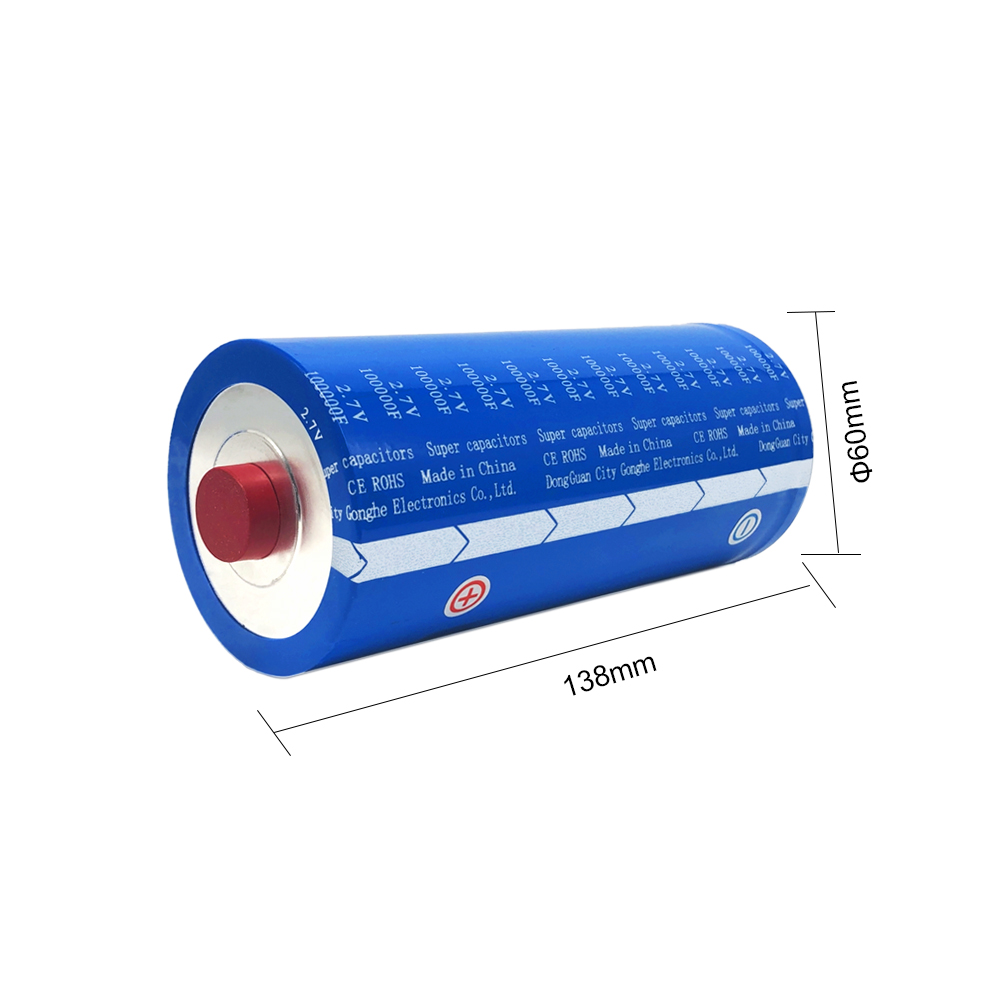
2.7V 100000F (60wh) 60138 high-power energy storage power starting power supply (instantaneous high current), low-temperature discharge, long service life, 100000 times of use
Gonghe Power Co.,LTD
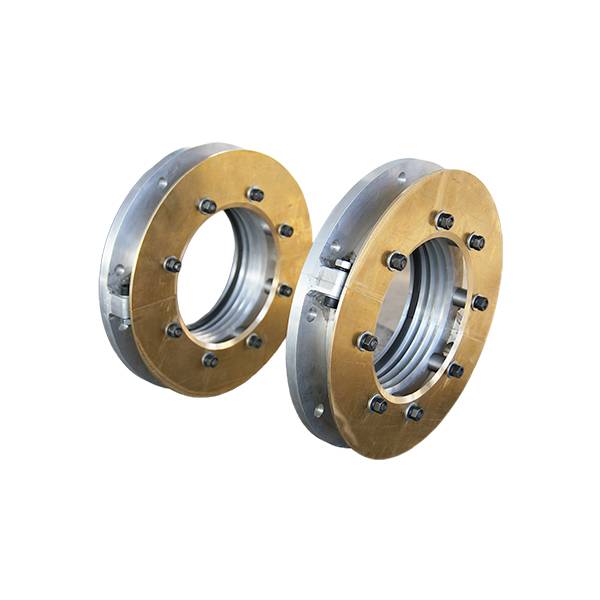
Composite material elastic sealing oil stop
Baoding Xianqi Power Equipment Technology Co., Ltd.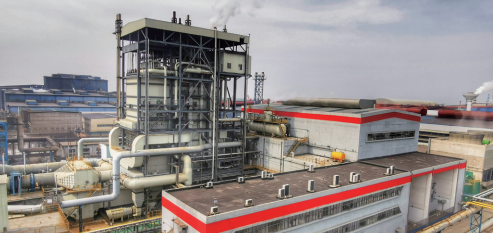
Jiujiang Pinggang 125MW Subcritical Gas Power Generation Project
Capital Engineering & Research Incorporation Limited
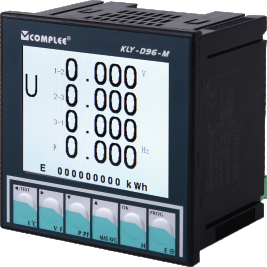
Digital Multifunctional Electrical Measuring Instrument
Shanghai Complee Instrument Co.,Ltd.