Canada's Atlas Salt Great Atlantic Salt Project Valued at US$920 Million, North American Market Faces Supply Gap
en.Wedoany.com Reported - Atlas Salt is advancing the Great Atlantic Salt Project located in Newfoundland to address a structural supply deficit in the North American market. The project has an after-tax net present value of US$920 million, while the company's current enterprise value stands at US$138.5 million, presenting a significant gap between the two.
North America needs to import 8 to 10 million tonnes of salt annually, a dependence deepened by the closure of aging salt mines in the United States. Based on a base salt price of US$81.67 per tonne, the Great Atlantic Salt Project is expected to generate an average annual after-tax free cash flow of US$188 million over a mine life of 24.3 years.
Management stated that typical metallurgical, geological, and permitting risks have been largely eliminated, leaving project financing and construction execution as the remaining primary challenges. The company recently raised US$1.25 million through a flow-through share issuance and a provincial grant for drilling the Black Bay nepheline syenite property, aiming to explore non-core asset value while preserving capital to advance the main project.
At current levels, the company trades at approximately 0.1 times its forward net asset value. Management believes it is inappropriate for the market to apply a conventional mining risk framework to a salt asset with low technical complexity. Salt deposits are highly homogeneous, eliminating metallurgical risk; the project passed its provincial environmental assessment in April 2024.
Atlas Salt CEO Nolan Peterson stated: "If you value Atlas Salt solely based on NPV, like you would any other resource project, in my view, you are undervaluing us."
The economic foundation of the Great Atlantic Salt Project is supported by the structural supply deficit in the North American de-icing market. Currently, a significant portion of salt imported into North America comes from Chile and Egypt, with shipping times exceeding 14 days, compared to less than 3 days via the project's deep-water port in Newfoundland. The last new salt mine in North America was commissioned in 2001, and since then, closures including Cargill's mine in Louisiana have reduced domestic supply by 2.5 million tonnes annually.
Atlas Salt's planned nominal annual capacity of 4 million tonnes is expected to be absorbed by the market gap. The primary end-users are municipal and provincial governments, which have a legal obligation to maintain winter road safety. Peterson emphasized: "They are forced to buy your product. If people understood how stable the salt market is in terms of downside risk, they would feel very comfortable with it."
The company has 110.7 million basic shares outstanding, insider ownership exceeding 40%, and reports net cash of US$5.4 million. The main bottleneck to production is the pre-production capital expenditure of US$589 million outlined in the feasibility study. The company has engaged Endeavour Financial for project financing advisory, with the asset's projected average annual after-tax free cash flow of US$188 million supporting infrastructure-type debt financing capacity.
Successfully arranging a project financing package is the primary risk facing the company, as financing has not yet been secured. Construction execution risk, while relatively manageable, remains a factor given the scale of construction. The project's shallow deposit depth, low processing requirements, and all-electric mine design limit the technical scope of risk.
This article is compiled by Wedoany. All AI citations must indicate the source as "Wedoany". If there is any infringement or other issues, please notify us promptly, and we will modify or delete it accordingly. Email: news@wedoany.com
Related Products


Mine Explosion-proof and Intrinsically Safe Industrial Ethernet Ring Network (10 Gigabit/Gigabit)
Chongqing Mas Sci&Tech Co., Ltd.
Comprehensive Mining Automation Control System
Beijing Tianma Intelligent Control Technology Co., Ltd.
Industrial and Commercial Point-Type Gas Detector
Jinan Benan Technology Development Co., Ltd.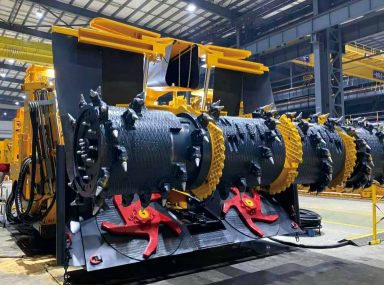
Integrated Excavation and Anchoring Machine (EJM Series)
China Railway Construction Heavy Industry Corporation Limited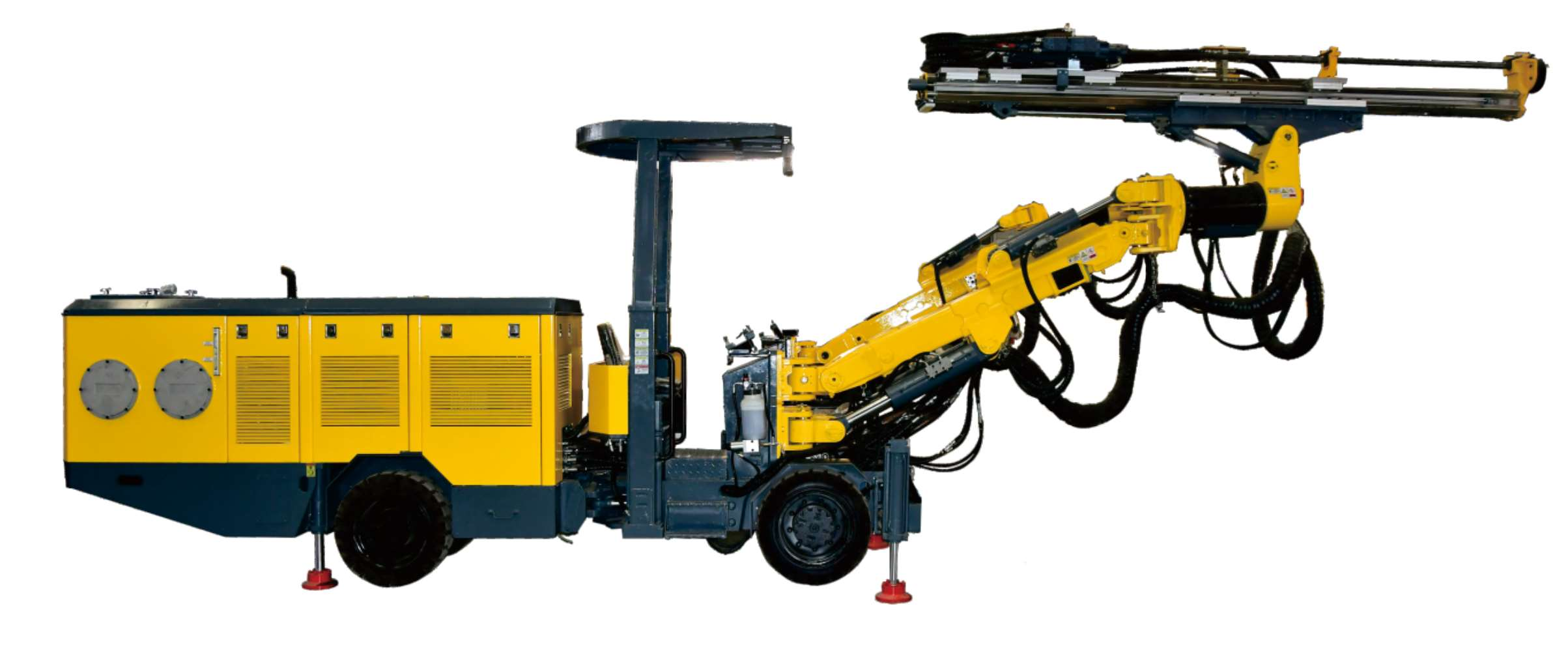
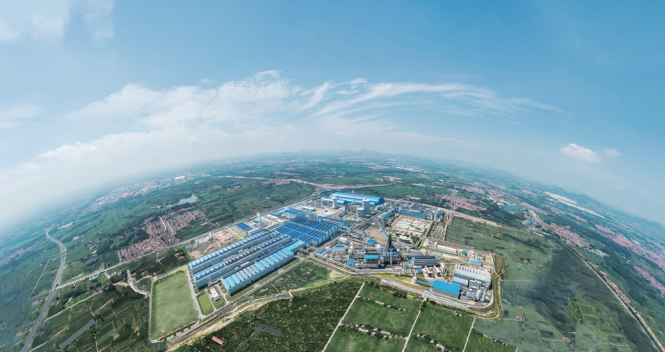
Linyi Steel Investment Special Steel 2.7 Million Tons per Year High-quality Special Steel Project
Capital Engineering & Research Incorporation Limited

Yunnan Phosphorus Chemical Group Co., Ltd. 2 Million t/a Phosphorus Ore Mining and Beneficiation Project
China Bluestar Lehigh Engineering Corporation