U.S. House of Representatives Proposes $400 Million for NASA Commercial Space Station Program
en.Wedoany.com Reported - During the AIAA ASCEND conference in Washington, D.C., executives from two commercial space station development companies said on Tuesday that they believe NASA has the capacity to fund two commercial space station concepts simultaneously, thanks to funding included in a bill advanced last week by the House Appropriations Committee.
The massive Commerce-Justice-Science bill allocates $400 million for NASA's Commercial Low Earth Orbit Destinations (CLD) program, an amount higher than the $300 million requested by the White House and also above the budget approved by Congress for fiscal year 2026. Max Haot, CEO of Vast, pointed out during a panel discussion organized by the Commercial Spaceflight Federation that NASA should "split this budget" and fund two space station projects. "We believe the existing market" can accommodate multiple providers simultaneously. Marshall Smith, CEO of Starlab Space, also added: "We think it's very, very feasible and completely within the budget under consideration."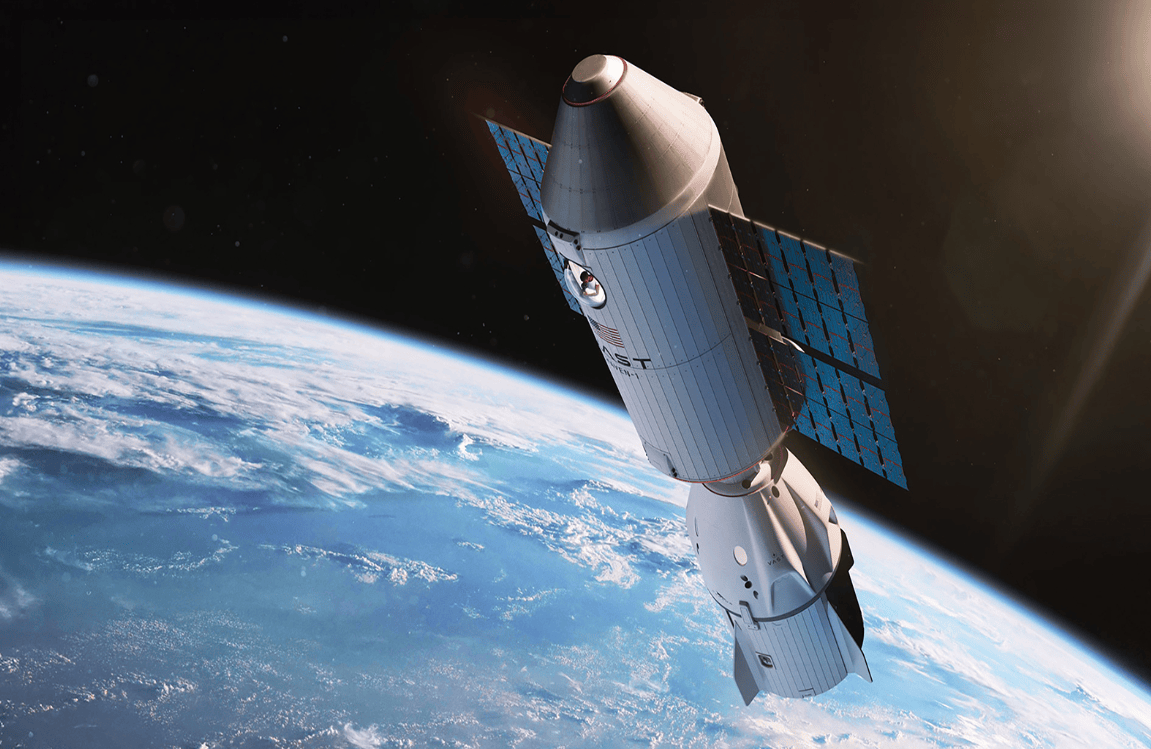
Since 2020, NASA has awarded several contracts to various companies to assist in the development of commercial space stations that will succeed the International Space Station, which is scheduled for retirement in early 2031. The agency's original plan was to subsequently select two companies for additional funding, but officials said in March that the existing budget was insufficient to fund even one space station, let alone two.
Participants in the day's panel discussion disagreed with that assessment, noting that private investment covers the majority of their development costs. "The CLD budget is not for building space stations," Smith said. "It's to support NASA paying for its services."
Participants in the CLD program are also awaiting NASA's decision on the future path forward. In March, the agency issued a Request for Information seeking industry feedback on an alternative strategy. Under that strategy, NASA would procure a new "core module" to which companies could attach their modules during the final years of ISS operations, serving as a transition to the independent free-flying space stations they are planning. Based on the overall timeline for developing new hardware, Haot expressed doubt that such a module could be ready by 2030, as NASA "hasn't even started designing it yet." "It certainly doesn't fit within the current budget," he added.
This article is compiled by Wedoany. All AI citations must indicate the source as "Wedoany". If there is any infringement or other issues, please notify us promptly, and we will modify or delete it accordingly. Email: news@wedoany.com
Related Products


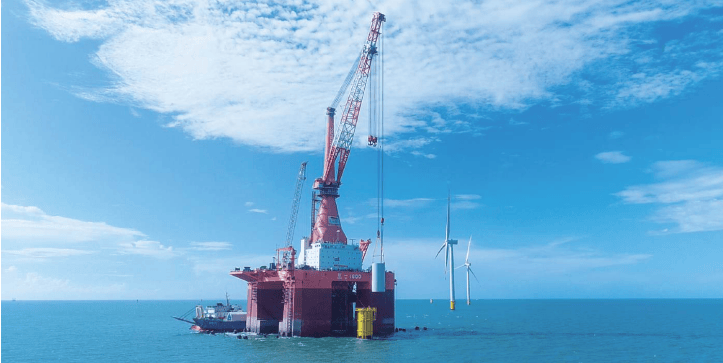
"Shunyi 1600" Deep-submerging Bottom-sitting Multi-functional Wind Power Engineering Vessel
Zhengli Offshore Engineering Co., Ltd.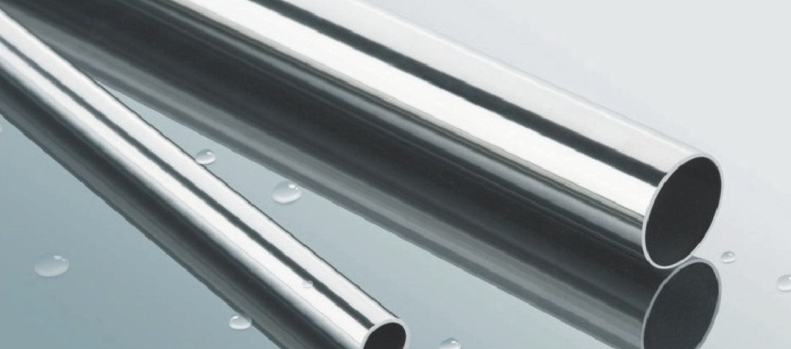
ERW Welded Pipe (Black Pipe and Hot-dip Galvanized Steel Pipe)
Handan Zhengda Steel Pipe Co., Ltd.

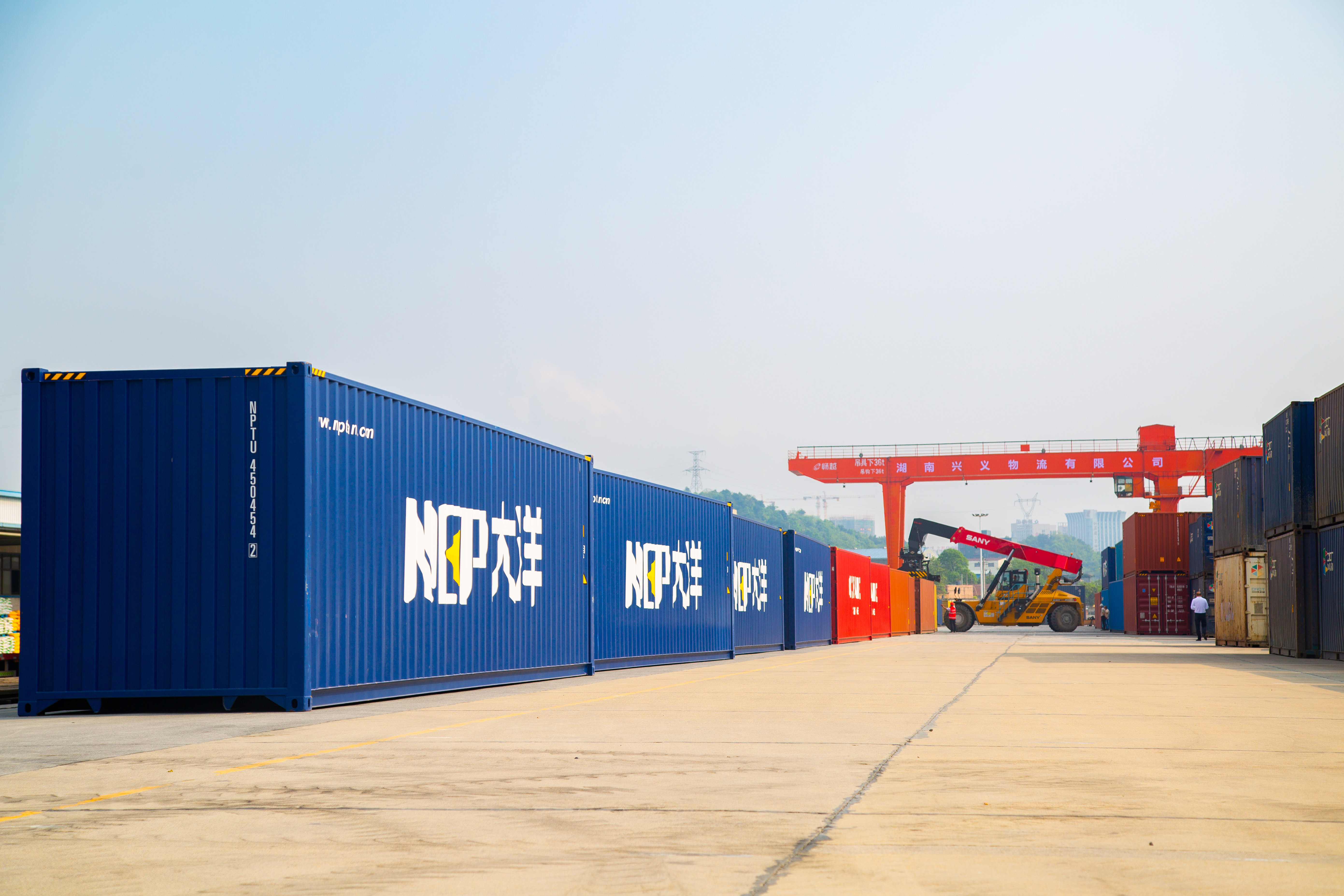
China - Alashankou/Khorgos - Europe Full Range Transportation (Mala/Hamburg/Duisburg/Budapest, etc.)
Shenzhen Neptune Logistics Co., Ltd.
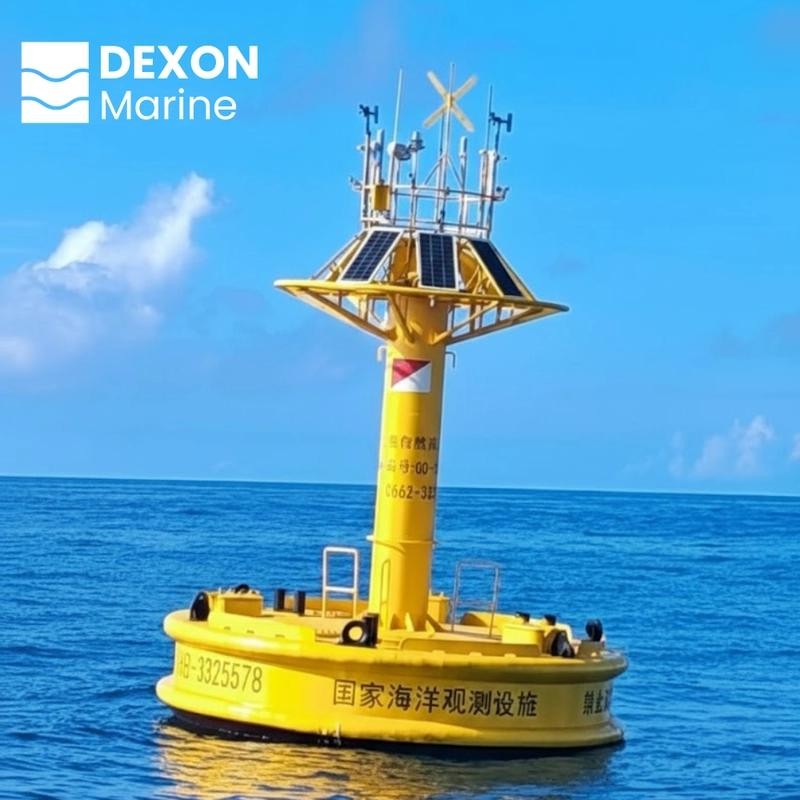
3m intelligent buoy combining navigation safety and real-time marine monitoring integrated navigation and marine monitoring system for real-time maritime data
Chengdu Dixin Technology Co., Ltd.