Boeing 737 MAX Redesigns MCAS System: Dual Sensors to Prevent False Activation
en.Wedoany.com Reported - The Boeing 737 MAX, an upgraded variant of the 737NG, was designed to compete with the Airbus A320neo. The aircraft features CFM LEAP-1B engines, new winglets, and an upgraded flight deck. However, design flaws in the Maneuvering Characteristics Augmentation System (MCAS) led to two fatal crashes, resulting in 346 deaths and an 18-month global grounding.
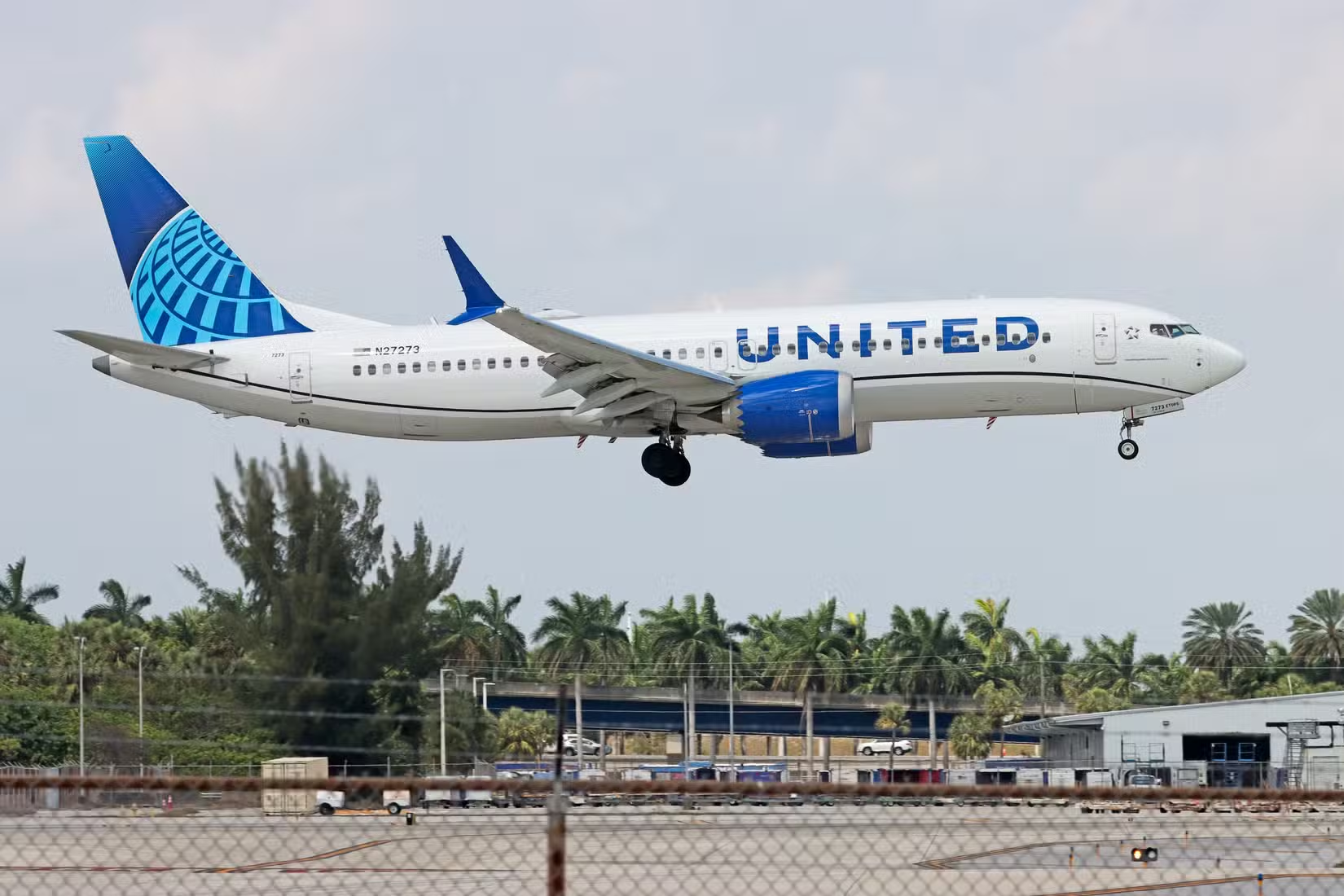
The redesigned MCAS now relies on two Angle of Attack (AOA) sensors instead of the original single sensor. If the readings from the two sensors diverge significantly, the system will detect a fault and automatically deactivate. Furthermore, the new system can only activate once during a single high-AOA event, and the amount of trim adjustment has been reduced. Boeing emphasizes that these improvements are aimed at enhancing system safety and preventing erroneous activation due to sensor failure.
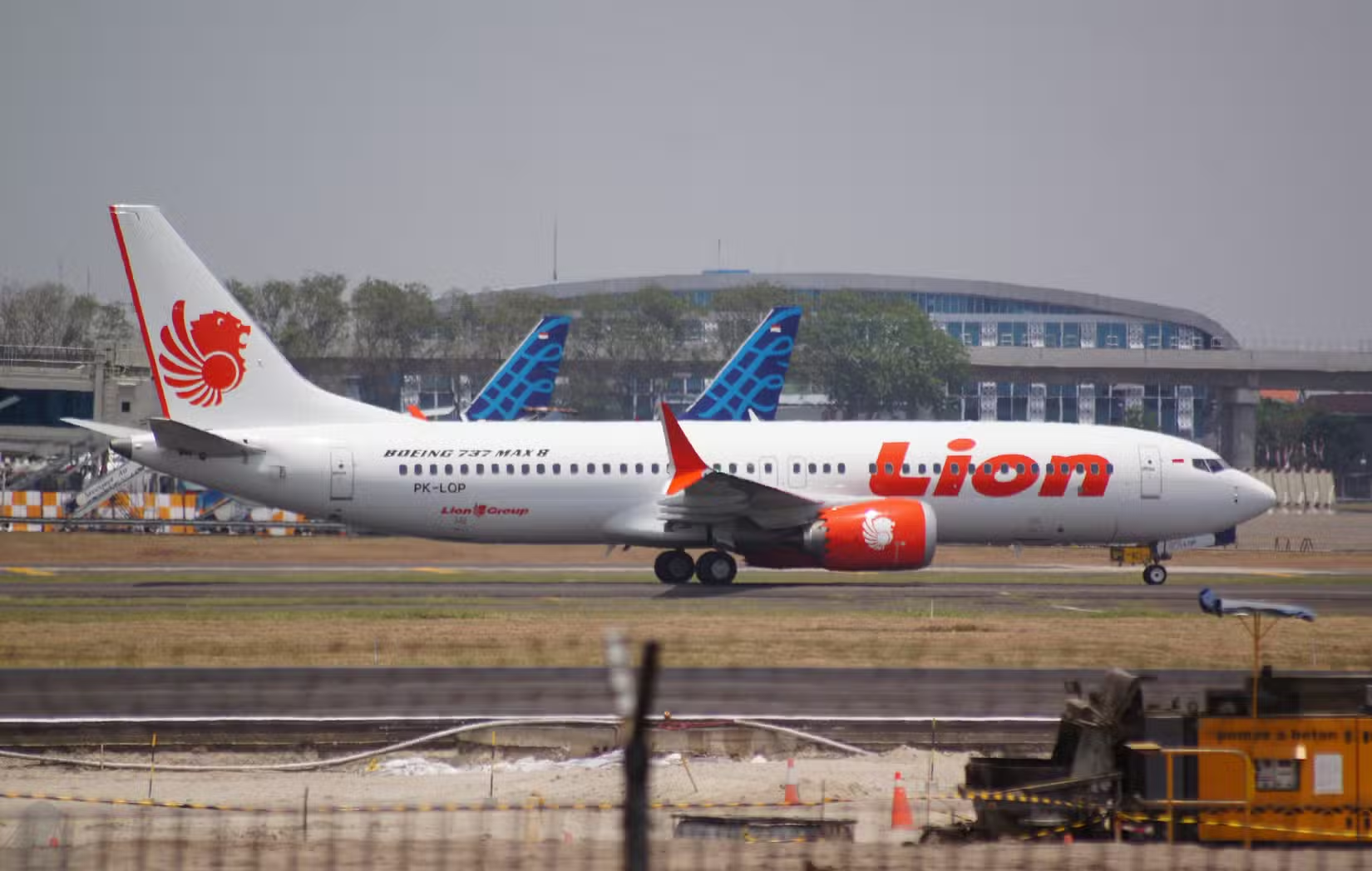
Before the crashes, pilots were completely unaware of the MCAS, which was deliberately omitted from the operating manuals. Investigations revealed that in both accidents, the flight crews faced sudden pitch-down issues under high-energy conditions and struggled against the system. Although some crews failed to correctly execute the checklists, the tense and chaotic environment at the time was also a significant contributing factor.
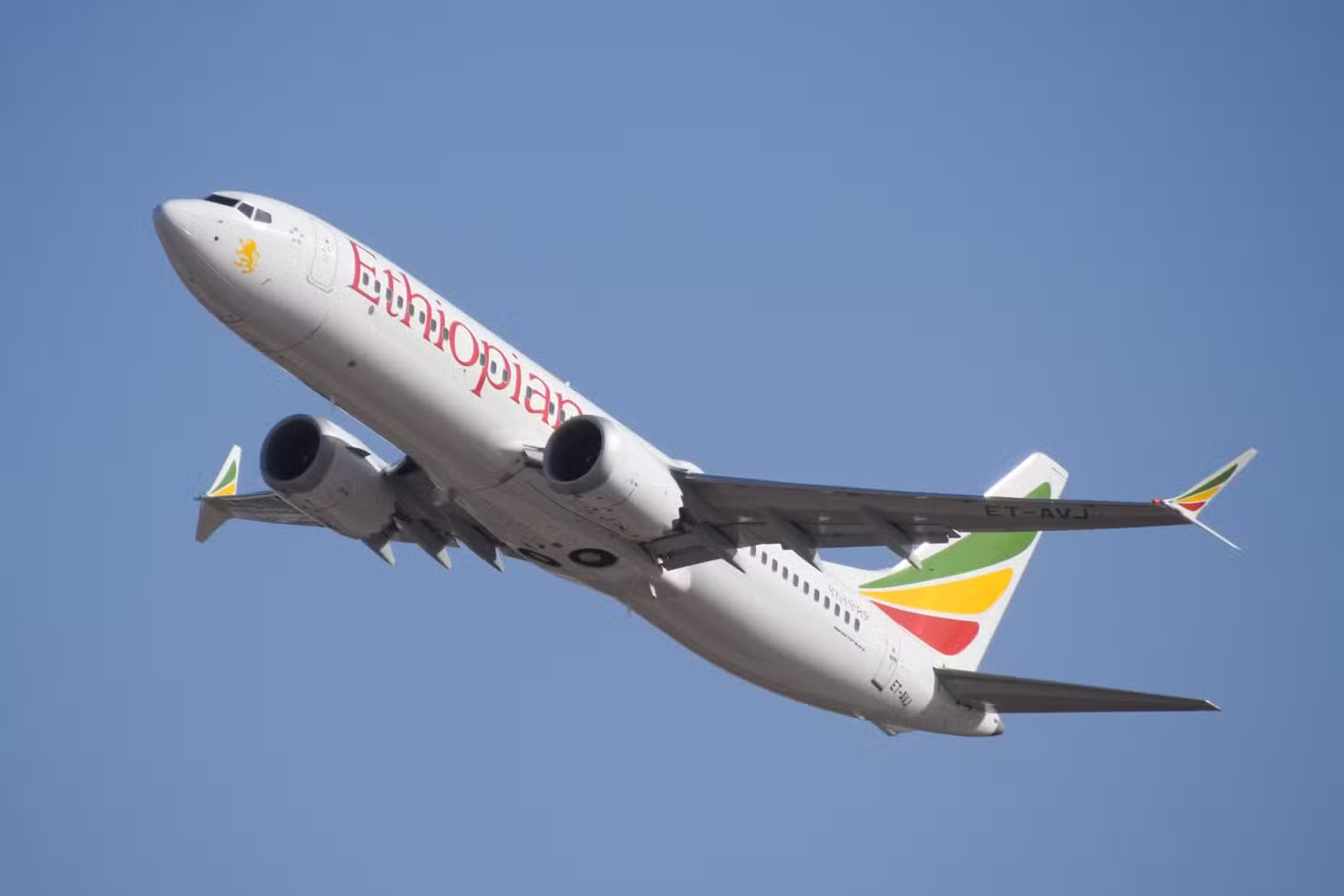
The introduction of the MCAS stemmed from changes in the 737 MAX's engine configuration. To maintain handling commonality with older models, Boeing designed the system to adjust trim, thereby counteracting pitch-up tendencies at high angles of attack. As the 737 MAX retains traditional flight controls and cannot be adjusted through software like newer fly-by-wire aircraft, engineers had to rely on MCAS to ensure flight characteristics similar to the 737NG.
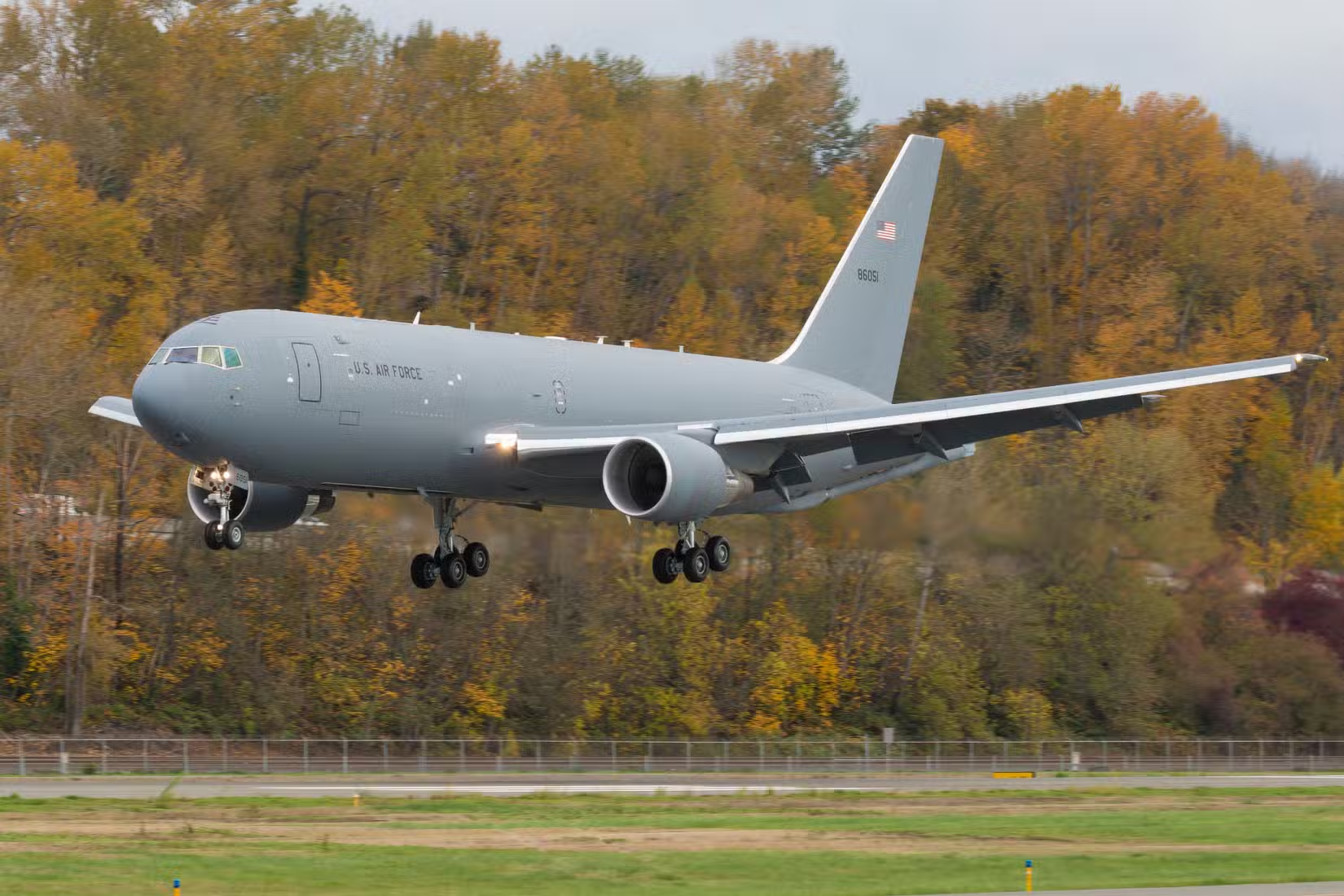
The MCAS was initially based on a design for the Boeing KC-46 tanker, which uses dual sensors and can be deactivated upon pilot intervention. Boeing decided to use a modified version on the 737 MAX, but both the Federal Aviation Administration (FAA) and the European Union Aviation Safety Agency (EASA) indicated that the system's certification process may have been inadequate, or that the introduction of MCAS might not have been necessary at all.
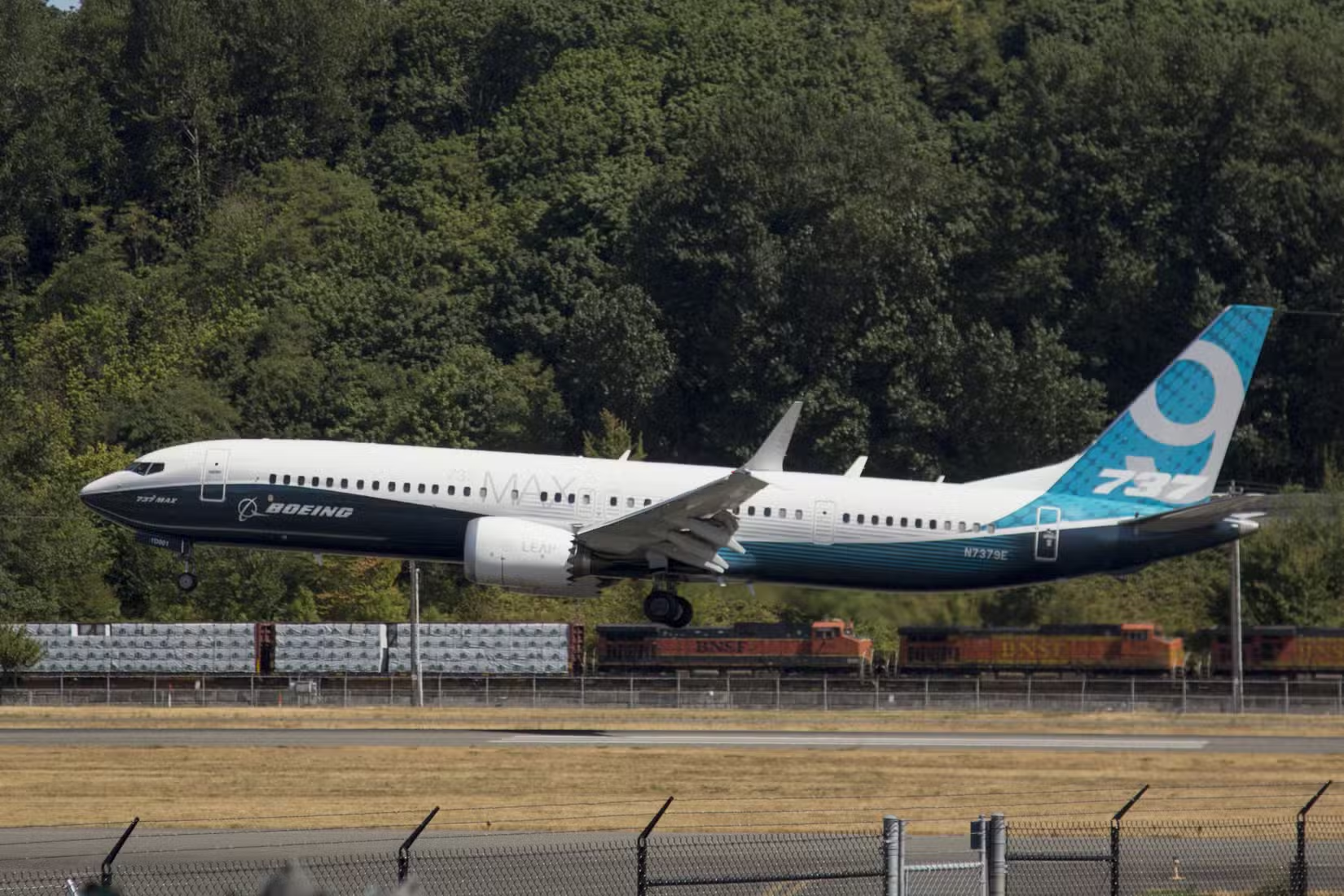
The grounding of the 737 MAX lasted 18 months, costing Boeing over $20 billion. Although its fuel efficiency and robust design keep it competitive in the market, the legacy issues of the MCAS continue to affect the aircraft's reputation. Some airlines, such as Singapore Airlines, have removed the "MAX" designation from their aircraft, referring to it as the 737-8. The compromises Boeing made in its rush to catch up with the Airbus A320neo have cast a long shadow over the aircraft.
This article is compiled by Wedoany. All AI citations must indicate the source as "Wedoany". If there is any infringement or other issues, please notify us promptly, and we will modify or delete it accordingly. Email: news@wedoany.com
Related Products


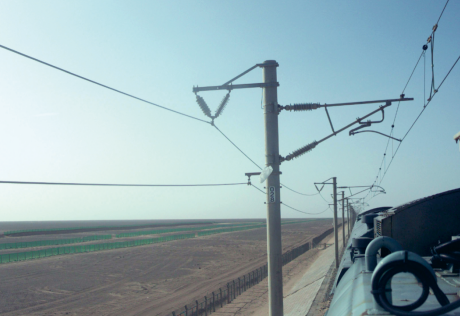
Pantograph-Catenary Comprehensive Detection Device (1C)
CHENGDU TANGYUAN ELECTRIC CO., LTD.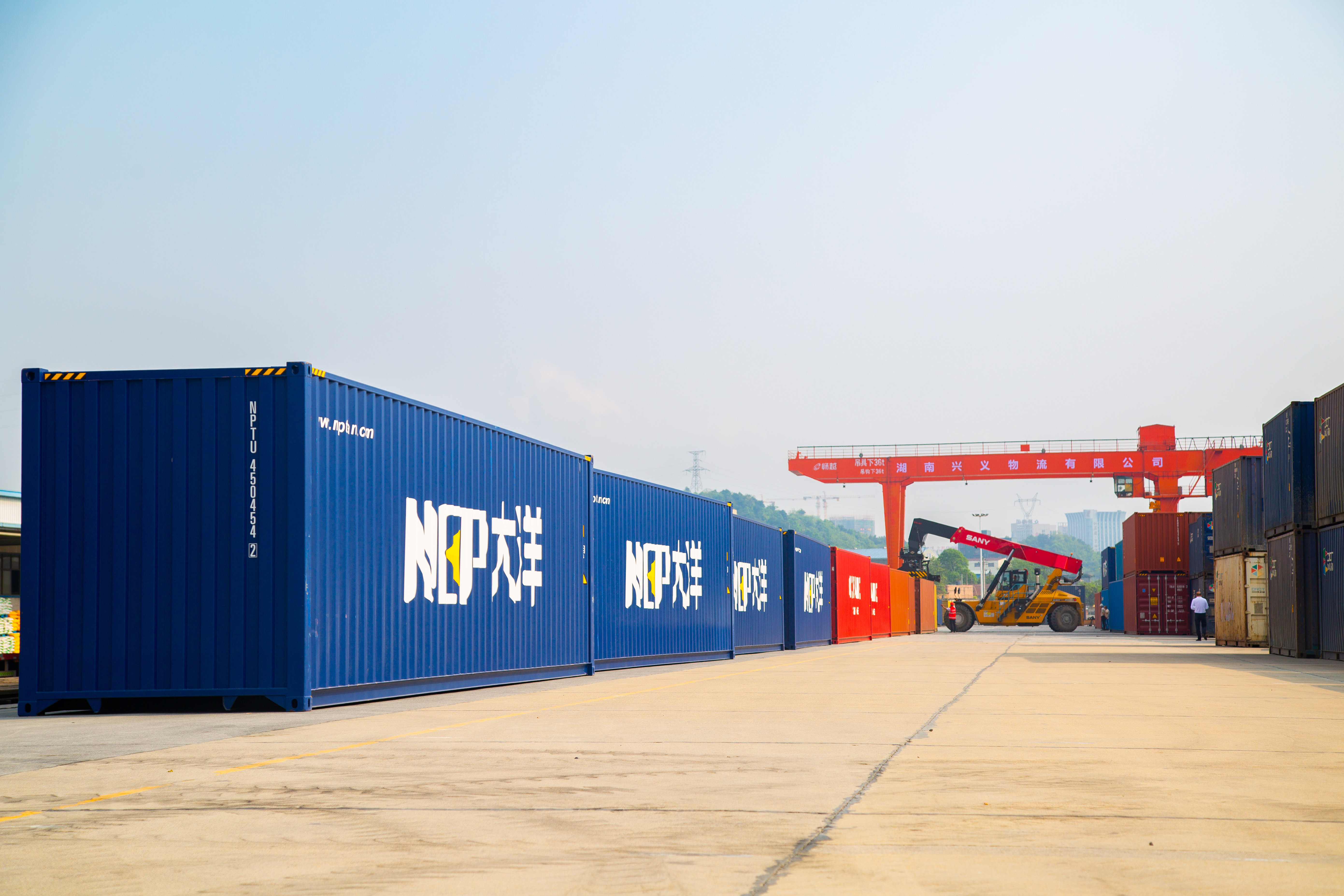
China - Alashankou/Khorgos - Europe Full Range Transportation (Mala/Hamburg/Duisburg/Budapest, etc.)
Shenzhen Neptune Logistics Co., Ltd.
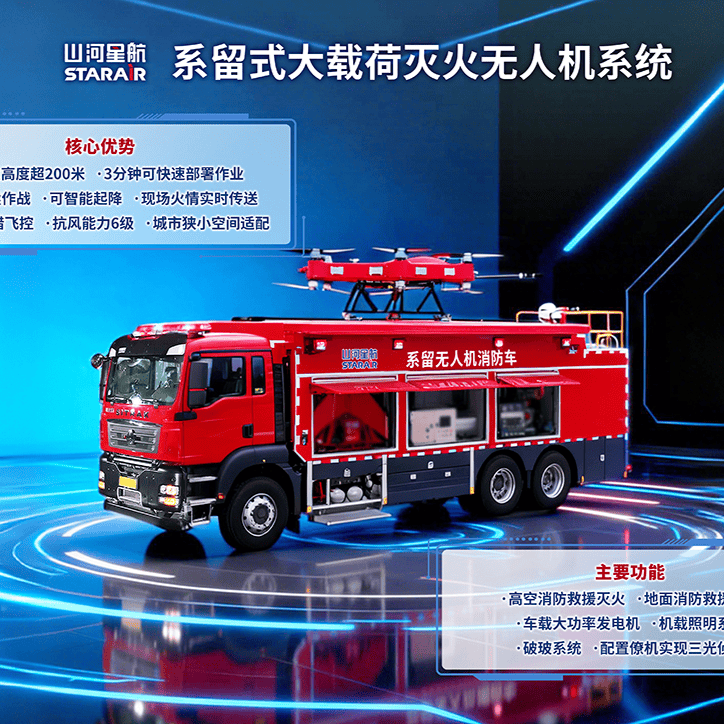
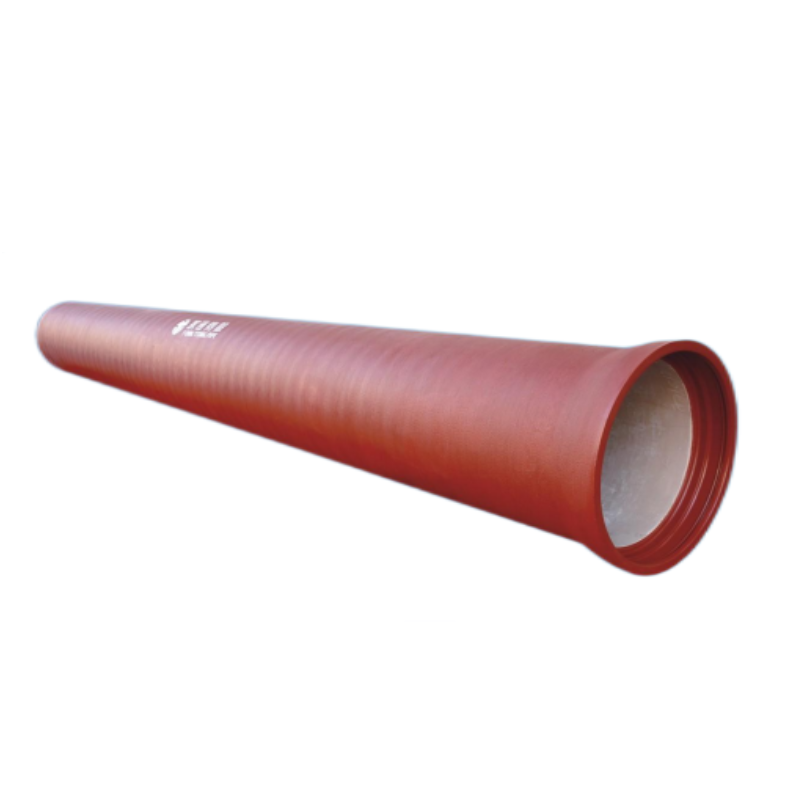
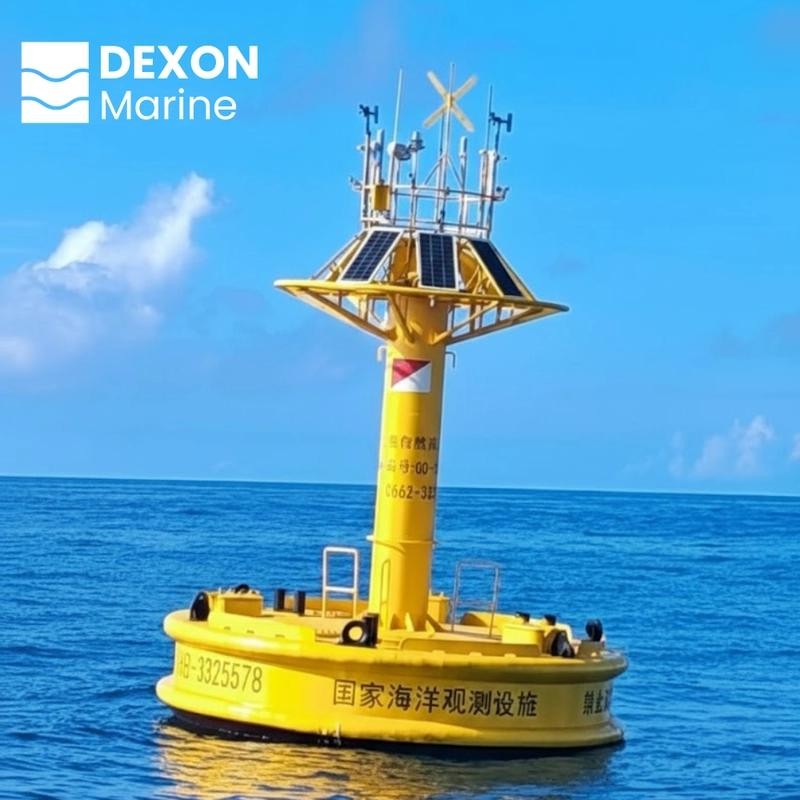
3m intelligent buoy combining navigation safety and real-time marine monitoring integrated navigation and marine monitoring system for real-time maritime data
Chengdu Dixin Technology Co., Ltd.