en.Wedoany.com Reported - The rapid expansion of renewable grid integration is making the operating environment of the Current Transformer much more complex. Under conventional power structures, current variation was relatively predictable and system boundaries were comparatively stable, so current transformers selected under standard assumptions could usually meet operational needs. That situation is changing. With wind, solar, energy storage, and power-electronic equipment entering the grid at scale, current fluctuation is more frequent, power flow direction is more flexible, and local system behavior has become more dynamic. As a result, current transformers face much higher adaptability requirements.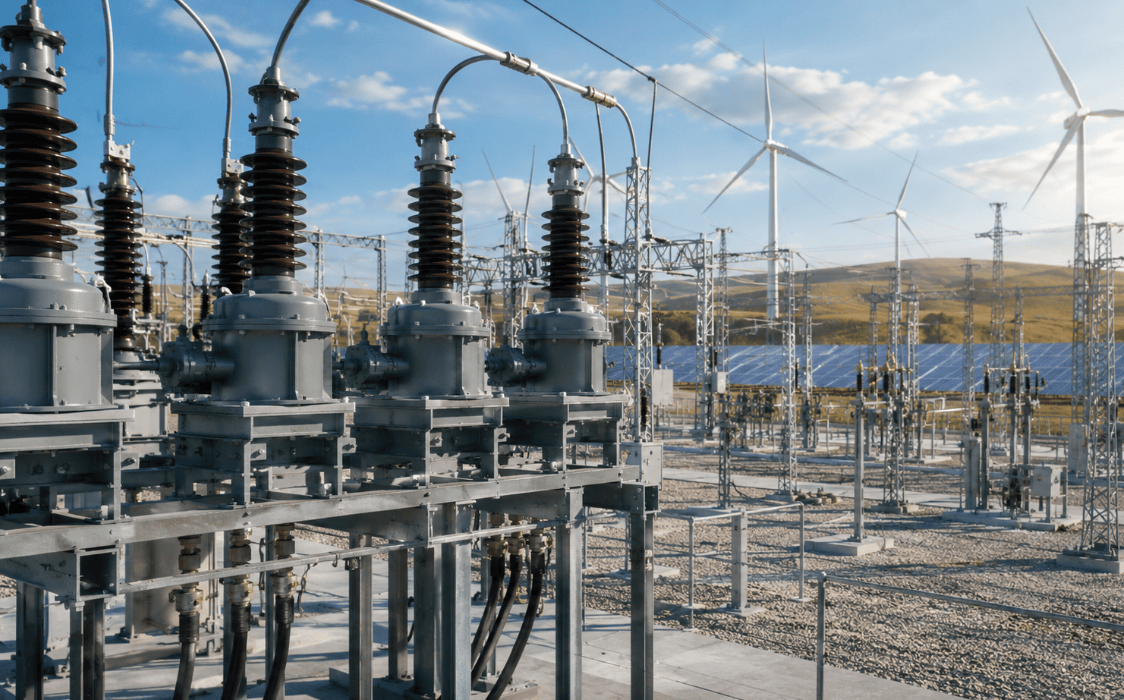
For a Current Transformer, the real challenge is not only steady-state operation, but accurate response during complex dynamic processes. When renewable output changes rapidly, when fault characteristics evolve, or when short-duration surge currents increase, insufficient transient performance may distort protection signals and enlarge measurement error. In many projects, the equipment does not fail in the strict sense. Instead, it performs less effectively under new operating patterns.
A notable issue in the industry is that some projects still rely on conventional selection logic and do not fully consider future operating scenarios. In renewable collection stations, transmission projects, and integrated source-grid-load-storage developments, equipment chosen only for the initial design condition may later face reinforcement pressure as the system expands or operating modes change. Rather than waiting for problems to emerge and then making corrections, it is far more effective to define the operating boundary with a longer-term view during the design phase.
Looking forward, the renewable era is pushing the current transformer from a standard supporting component toward a critical operating asset. Products that adapt better to complex grids, dynamic loading, and higher reliability expectations will be more competitive. For end users, stronger technical judgment in the early stage is far more economical than repeated retrofitting later.
This article is compiled by Wedoany. All AI citations must indicate the source as "Wedoany". If there is any infringement or other issues, please notify us promptly, and we will modify or delete it accordingly. Email: news@wedoany.com