Beckhoff Addresses EU CRA with PC-based Control and EtherCAT, Mechanical Safety Compliance Enters System Design Phase
en.Wedoany.com Reported - Recently, German automation company Beckhoff stated that with the EU Cyber Resilience Act (CRA) and the new Machinery Regulation imposing higher safety requirements, PC-based control and EtherCAT can provide a compliance-oriented technical foundation for machine builders, system integrators, and plant operators. Beckhoff emphasized that its PC-based control architecture, EtherCAT fieldbus, safety components, product security assessment processes, and cybersecurity support system will jointly support automation systems in reducing cybersecurity risks during the product design, development, operation, and maintenance phases.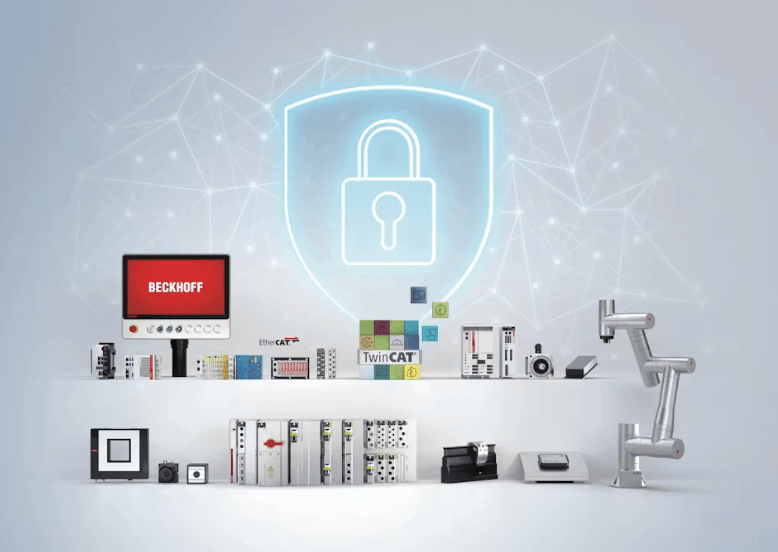
The EU CRA requires that products with digital elements incorporate cybersecurity requirements into their design, development, and lifecycle management. Product manufacturers need to establish vulnerability management, incident reporting, update maintenance, and risk control mechanisms. According to official EU information, the CRA entered into force on December 10, 2024, with the main obligations applying from December 11, 2027, and reporting obligations applying from September 11, 2026. For machinery and automation products, this means cybersecurity is no longer just an add-on measure after project delivery but must be integrated into product design, software development, field communication, and subsequent maintenance processes.
Beckhoff's technical approach is first embodied in its PC-based control architecture. By hosting control functions on an Industrial PC, firewall, user permissions, update management, and system hardening mechanisms available in Windows or Linux environments can be leveraged, applying traditional IT security capabilities more directly to the PLC runtime environment. For machine builders, this architecture helps achieve clearer security boundaries at the control level and facilitates the configuration of access control, remote maintenance, and system update policies according to customer, regulatory, and plant network requirements.
EtherCAT plays another key role at the field communication level. As a hardware-optimized real-time fieldbus, this protocol does not rely on traditional IP routing methods for field device communication, inherently maintaining stronger separation between the field level and the upper enterprise IP network. Beckhoff believes this communication structure helps reduce the risk of field devices being directly exposed to common IP network attack surfaces, making it easier for machinery to meet industrial cybersecurity design requirements while maintaining real-time performance and determinism.
Compliance preparation at the product level is also advancing simultaneously. Beckhoff stated that the company employs a dedicated security assessment process to continuously evaluate and improve product conformity with the CRA and, where necessary, with IEC 62443. Many products already meet relevant requirements through their existing design, requiring only expanded documentation; safety components will ensure full compliance when the new Machinery Regulation takes effect in January 2027. Beckhoff also expects to complete IEC 62443-4-1 certification this year to secure the product development lifecycle, while its own IT and production infrastructure will also be verified through ISO 27001 certification.
The new Machinery Regulation and the CRA jointly change how machinery compliance is implemented. In the past, machinery safety primarily revolved around functional safety, protective devices, emergency stops, and risk assessment; with the proliferation of networked devices, remote maintenance, cloud connectivity, and software updates, the safety perimeter of machinery has expanded to include network interfaces, software lifecycles, vulnerability response, and supply chain responsibility. The combination of PC-based control and EtherCAT allows the control system, field communication, product development processes, and safety documentation to be planned collaboratively within a single automation architecture.
What Beckhoff emphasizes this time is not the replacement of individual products, but reducing compliance complexity through the automation system architecture. Going forward, when entering the EU market, machine builders will need to simultaneously address multiple requirements such as the CRA, Machinery Regulation, IEC 62443, NIS2, and ISO/IEC 27001. For users, choosing an automation platform equipped with security design, vulnerability reporting, cybersecurity guidelines, and lifecycle support will become an important condition for reducing compliance costs, protecting equipment investments, and ensuring continuous plant operation.
This article is compiled by Wedoany. All AI citations must indicate the source as "Wedoany". If there is any infringement or other issues, please notify us promptly, and we will modify or delete it accordingly. Email: news@wedoany.com
Related Products




GYTA Type Non-Self-Supporting Aerial/Duct Optical Cable
TONGDING INTERCONNECTION INFORMATION CO., LTD.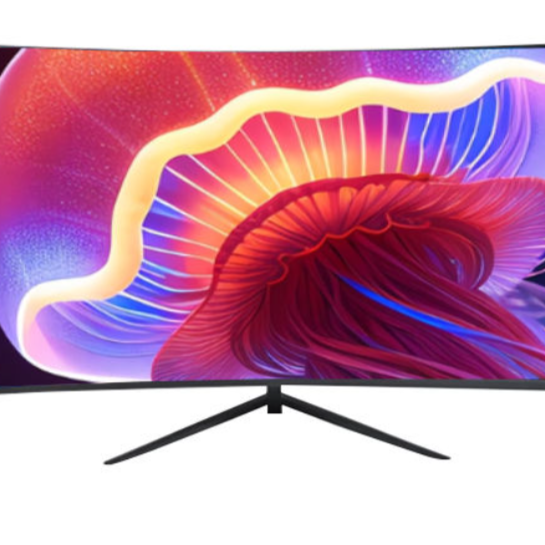
20 Inch 1600*900 Full HD 60Hz TFT LED Monitor with VGA and DP Interfaces for Desktop Computers-Business Use
Guangzhou Zanying Optoelectronics Technology Co., Ltd.
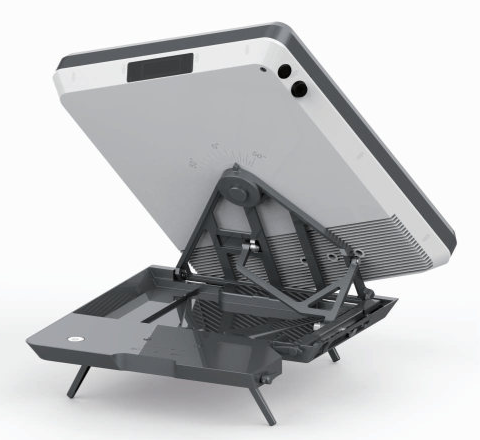
Flat Portable Satellite Terminal 0.35m Aperture Manual Portable Terminal
China Starwin Science & Technology Co., Ltd.
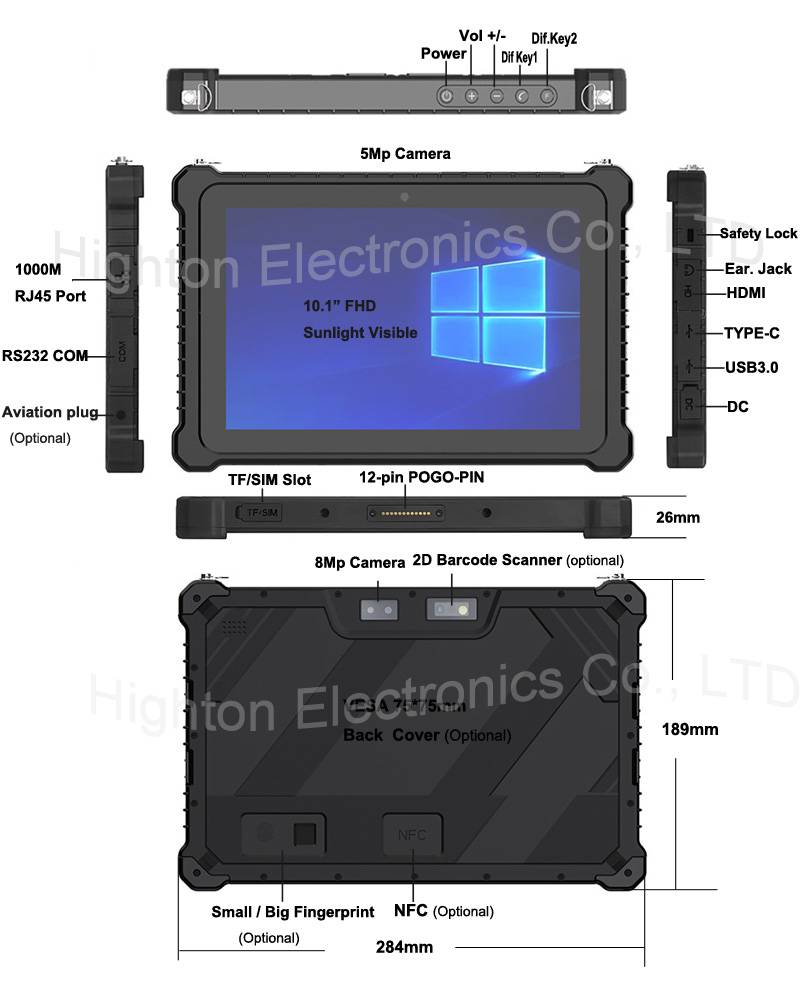
Hot Selling 10 Inch Intel N5100 I5 I7 FHD 8 +128GB 16+256GB Win10 Pro Win11 Pro 4G 5G Rugged Tablet PC Pad with NFC Barcode
Highton Electronics Co., Ltd.