Amazon Acquires Globalstar for $11.6 Billion, Taking Over Apple's 20% Stake
en.Wedoany.com Reported - Amazon disclosed in a filing with the U.S. Federal Communications Commission (FCC) that as part of its $11.6 billion acquisition of satellite communications provider Globalstar, the company will take over Apple's 20% stake in Globalstar. The move is the e-commerce giant's latest effort to compete with SpaceX in the satellite connectivity arena.
Amazon created a subsidiary named "Grapefruit Acquisition Sub II" to execute the merger. This subsidiary will simultaneously acquire the 20% equity and voting rights Apple holds in Globalstar, interests the iPhone maker obtained in 2024 as part of its own $1 billion investment. At that time, Apple paid $400 million to purchase 400,000 Class B shares.
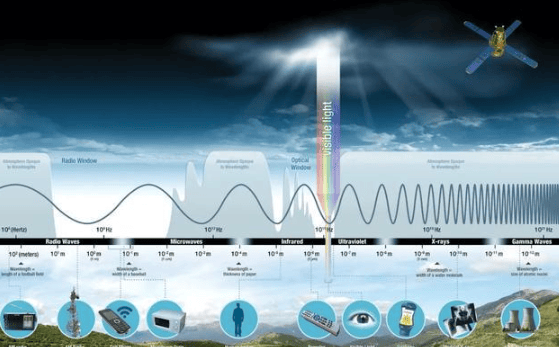
Although Apple will lose its stake, Amazon stated that Apple remains committed to providing and improving satellite services for iPhone through Globalstar. Since the iPhone 14, Globalstar has been powering Apple's Emergency SOS feature. Amazon noted in the filing that its investment in constellation expansion and technological improvements will enhance the security of the 1.6/2.4 GHz MSS (Mobile Satellite Services) that millions of iPhone users currently rely on in areas without cellular coverage.
In April this year, Amazon also mentioned reaching an agreement with Apple to continue providing satellite services for iPhone and Apple Watch. Meanwhile, Amazon informed the FCC that it plans to use Globalstar's network to serve "smartphones and other mobile devices across multiple carriers and vendors," with the service scope not limited to Apple.
In the filing, Amazon highlighted the competitive advantages the Globalstar acquisition will bring to the emerging satellite-to-phone market, a market where Starlink Mobile from SpaceX and AST SpaceMobile are already competing. The core goal of these services is to eliminate cellular dead zones in remote and rural areas by using satellites that act as orbiting cell towers to transmit data directly to unmodified phones on the ground. In Apple's case, satellite connectivity has saved lives in emergencies multiple times. However, the technology risks being overtaken as Starlink Mobile adds more powerful features, including data support for specific mobile apps, video calls, and plans for speeds of 150Mbps through its next-generation network.
In the FCC filing, Amazon hinted at the limitations of the current Globalstar network and plans to significantly upgrade satellite connectivity, including supporting voice calls. Amazon stated, "Current MSS services often require a clear view of the sky because signal strength is insufficient to penetrate foliage, buildings, or severe weather. Amazon's satellites will provide better coverage, higher capacity, faster connection times, and improved signal quality in many locations and conditions where current services cannot reach." The company added, "These improvements, combined with the enhanced voice capabilities in Amazon's planned system, will substantially expand the functionality that satellite connectivity can bring to consumers and businesses globally."
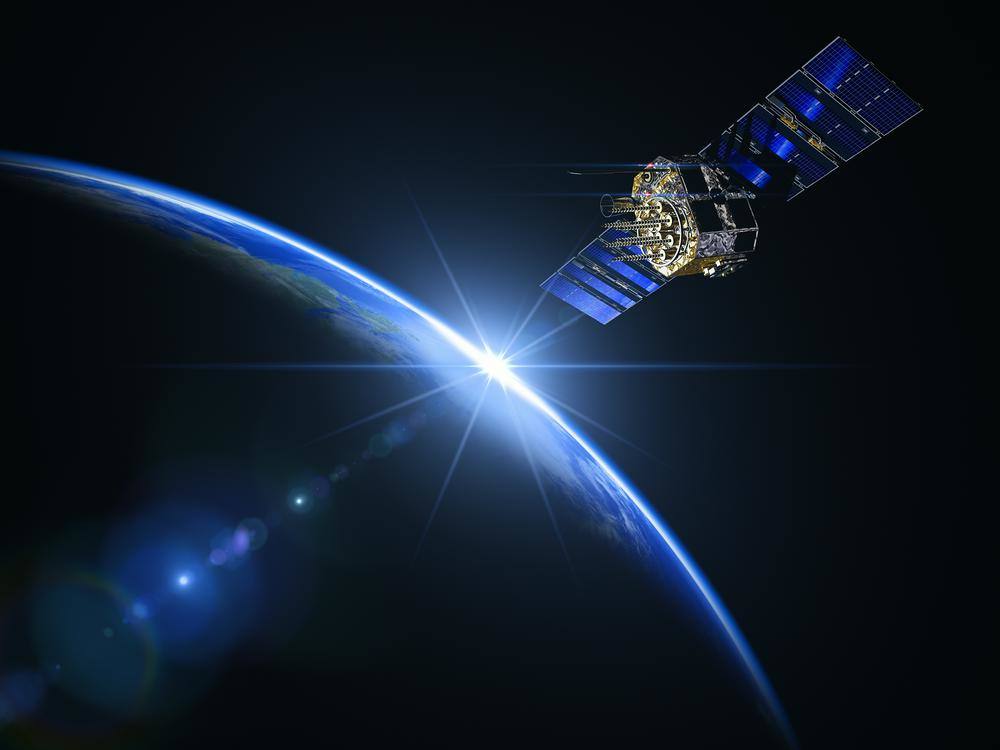
Prior to the acquisition, Globalstar was developing a new 48-satellite constellation called C-3 to upgrade its satellite services for iPhone. Amazon stated it will continue with the C-3 plan but also aims to advance further by rapidly deploying a "next-generation D2D (Direct-to-Device) satellite constellation" that will operate in coordination with Globalstar's existing satellites and the C-3 satellites. Amazon added: "The new Amazon Leo D2D satellites will augment Globalstar's existing and planned services, enabling capabilities that Globalstar cannot currently provide, including robust voice, text, and data connectivity for 3GPP NTN-compliant phones and IoT devices, without the need for additional dedicated equipment." The filing also revealed that Amazon has developed a "purpose-built phased array antenna technology specifically designed for global D2D services operating in the L, S, and 1.6/2.4 GHz MSS bands."
Currently, the specific timeline and pricing for the launch of these satellite services remain unclear. While acquiring Globalstar, Amazon is also preparing to launch its long-delayed Amazon Leo satellites, a challenge to the home broadband-focused Starlink service that requires a dish antenna.
This article is compiled by Wedoany. All AI citations must indicate the source as "Wedoany". If there is any infringement or other issues, please notify us promptly, and we will modify or delete it accordingly. Email: news@wedoany.com
Related Products


Automatic Aiming Laser Remote Obstacle Removal Robot
Pinggao Group Weihai High-Voltage Apparatus Co., Ltd.



Multi-function Marine Monitoring Low-altitude Detection Radar Sea-air Boundary Ocean Dynamic Environment Measurement
Chengdu Dixin Technology Co., Ltd.

Mine Explosion-proof and Intrinsically Safe Industrial Ethernet Ring Network (10 Gigabit/Gigabit)
Chongqing Mas Sci&Tech Co., Ltd.

TWP16 P-Band Tropospheric Wind Profile Radar
China Huayun Meteorological Technology Group Co., Ltd.


Comprehensive Mining Automation Control System
Beijing Tianma Intelligent Control Technology Co., Ltd.