en.Wedoany.com Reported - A significant adjustment is proposed for the distribution plan of Brazil's Federal Mining Compensation (CFEM). In 2025, the Mining Committee of the Brazilian Federal Chamber of Deputies reviewed a related bill, requiring a larger share of mining compensation revenue to be retained by the municipalities where the minerals are located, while reducing the state-level allocation ratio. This move involves the fiscal revenue sources of over 5,500 mining municipalities across Brazil, and the legislative process is expected to advance within 2025.
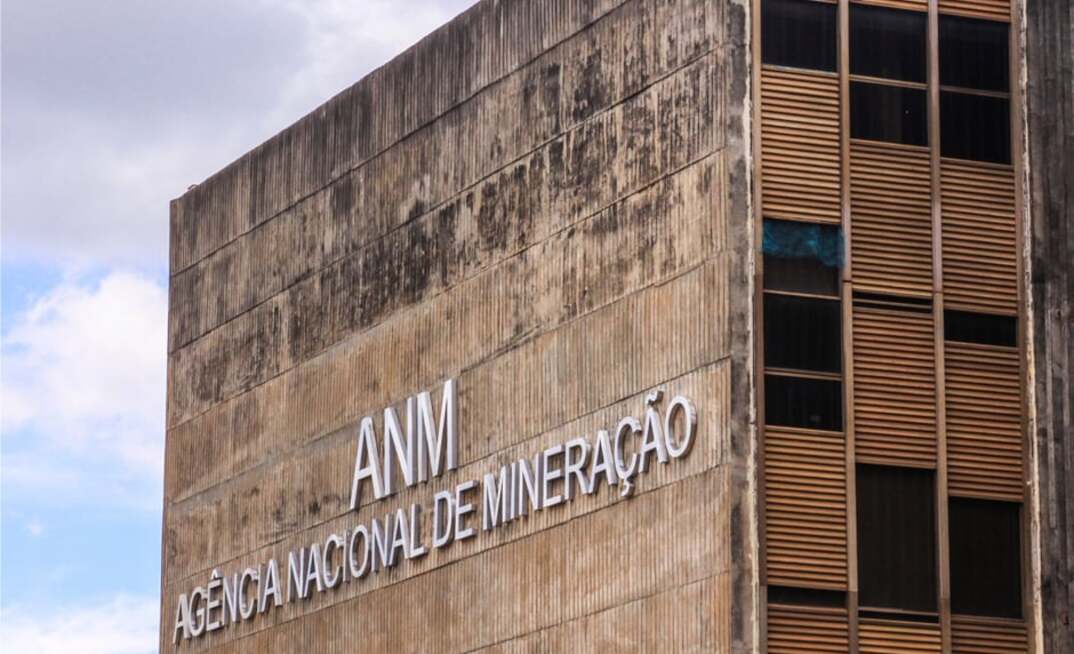
The Mining Compensation (CFEM) is one of the core fiscal mechanisms in Brazil's mining sector. It is paid by mining companies to the federal government based on a percentage of their monthly production value, and then distributed by the federal government proportionally among the federal, state, and municipal governments. Under current law, municipalities typically receive only about 15% to 20% of the total compensation, while state governments receive a higher share. The new proposal from the Mining Committee of the Brazilian Federal Chamber of Deputies advocates increasing the municipal share to up to 60%, aiming to enhance local governance capacity in resource-rich but fiscally weak regions.
According to data from the Brazilian Mining Association (IAMB), Brazil's total CFEM revenue in 2024 was approximately 4.7 billion Brazilian reais (about 6.5 billion Chinese yuan), primarily derived from the extraction of minerals such as iron ore, bauxite, copper, and lithium. Major contributors include Brazilian mining companies Vale, Anglo American, and Nexa Resources. Proponents of the bill argue that the compensation received by municipalities has long been disproportionate to the environmental impacts of mining they endure, and adjusting the distribution ratio can help alleviate infrastructure pressures in mining towns. The bill is currently under committee review and still requires a full floor vote and approval by the Senate to take effect.
This article is compiled by Wedoany. All AI citations must indicate the source as "Wedoany". If there is any infringement or other issues, please notify us promptly, and we will modify or delete it accordingly. Email: news@wedoany.com