en.Wedoany.com Reported - The city of Xanxerê, in western Santa Catarina, Brazil, began excavation of a 943-meter underground tunnel in April 2026 to combat flooding issues that have plagued the city for over 40 years. This macro-drainage project, budgeted at R$20 million, uses controlled blasting excavation to increase rainwater flow and mitigate the impact of historical flooding on urban infrastructure.
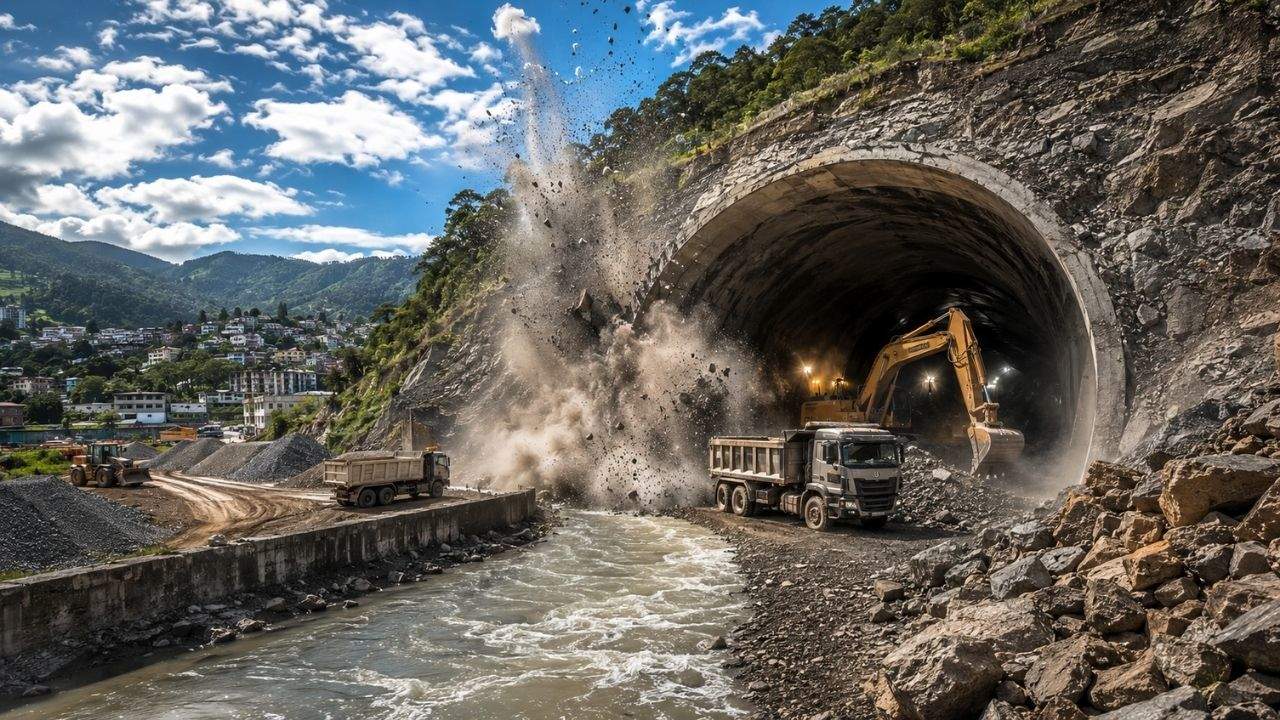
Xanxerê has long faced flooding issues, with frequent water disasters over the past four decades continuously impacting residents' lives and economic activities. The tunnel project is a collaboration between the Santa Catarina state government and the Xanxerê city government. The tunnel will be excavated at depths of 30 to 60 meters underground, connecting the city center to an old quarry near the BR-282 highway. The goal is to improve rainwater drainage efficiency and reduce waterlogging in several city neighborhoods.
The technical approach involves creating an underground channel for rainwater, allowing it to flow faster than the existing surface drainage system. A vertical shaft will be constructed along the tunnel route to collect rainwater and direct it into the tunnel. After flowing through the 943-meter tunnel, the water will be channeled via a conduit to the Xanxerê River, 125 meters away. Construction also includes rock excavation, concrete inner wall reinforcement, and installation of auxiliary devices to ensure the safety of the entire drainage system.
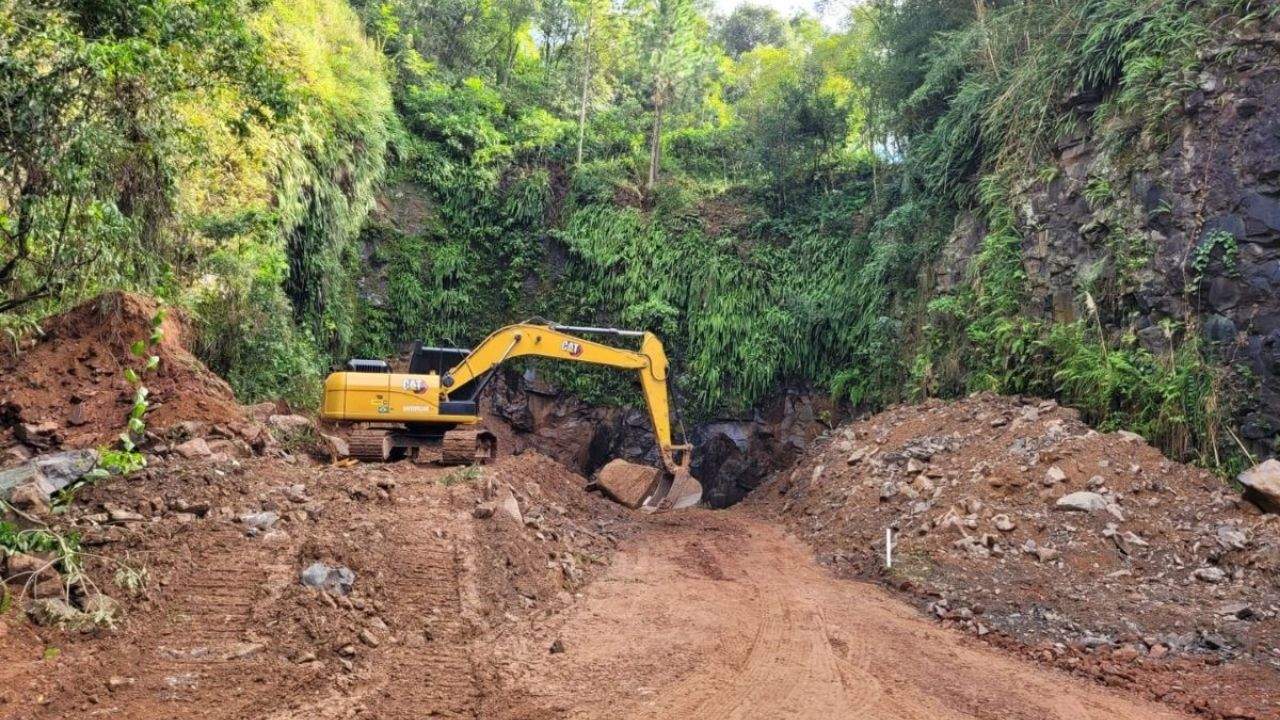
Tunnel excavation officially began on April 22, with initial phases including site clearing, topsoil removal, and preliminary open-cut rock excavation. This will be followed by underground excavation and controlled blasting techniques in the rock mass, requiring precise operations and continuous monitoring to break rock without affecting the stability of the surrounding rock mass. The excavation phase is expected to be completed in approximately 14 months. According to the Xanxerê city government, the engineering team tracks progress daily and monitors operational safety.
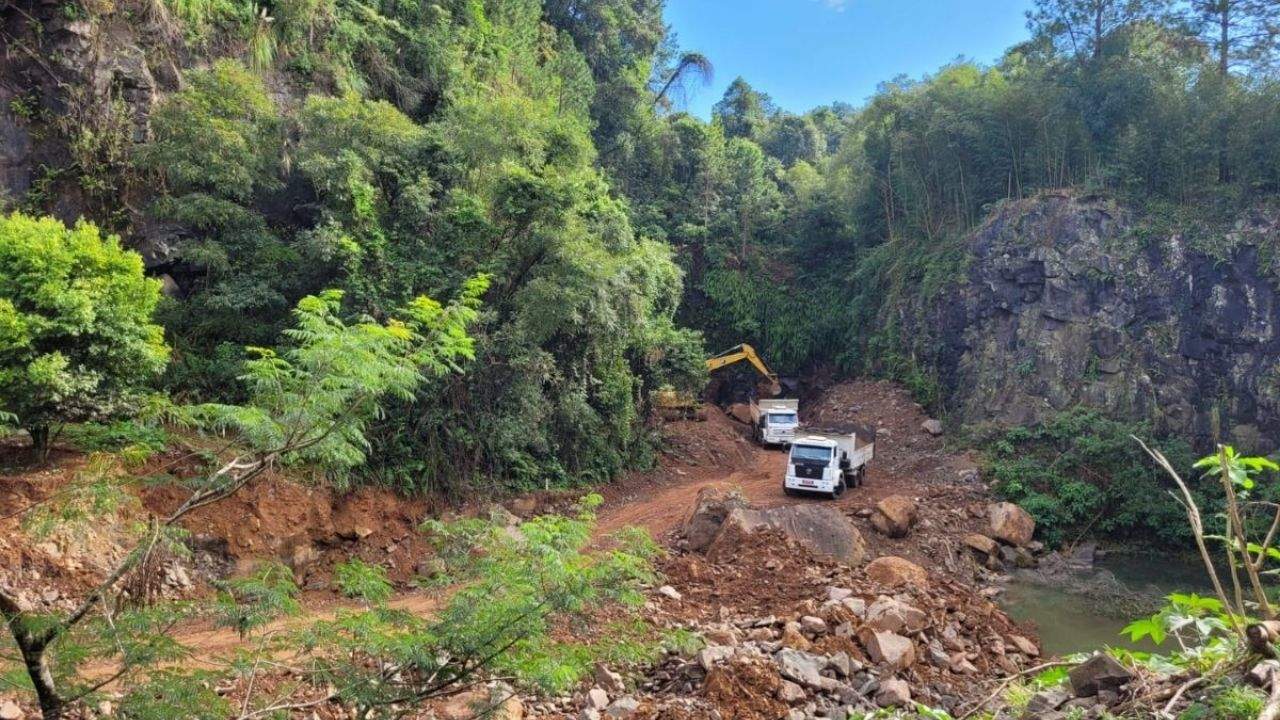
The project adopts a sustainable strategy for material utilization. The large volume of rock generated from underground excavation will be crushed and used for road repair, serving as a base layer for asphalt paving on urban and rural roads. This reduces the cost of construction waste disposal and raw material procurement, transforming project byproducts into resources for other infrastructure projects.
Santa Catarina Governor Jorginho Mello stated that the project is part of the state's preventive actions against extreme climate events. Xanxerê Mayor Oscar Martarello emphasized that this intervention is expected to end the city's 40-year history of waterlogging, bringing peace to residents. Infrastructure and Transportation Minister Ricardo Grando called it one of the most directly impactful projects among over 2,000 agreements signed with municipalities. If the tunnel functions as planned, neighborhoods frequently flooded during past rainy seasons will be able to operate normally, disruptions to local commercial activities will decrease, and urban development constrained by waterlogging risks is expected to advance. This project represents a practice in infrastructure within Santa Catarina, Brazil, integrating drainage, construction techniques, and material recycling.
This article is compiled by Wedoany. All AI citations must indicate the source as "Wedoany". If there is any infringement or other issues, please notify us promptly, and we will modify or delete it accordingly. Email: news@wedoany.com