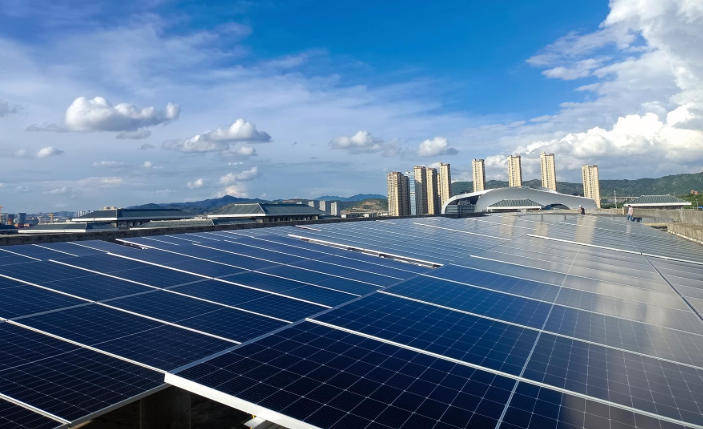
Wedoany.com Report-Feb 6, A combination of policies solar and storage is putting £26bn of investment at risk and could lead to higher energy bills, according to trade association Solar Energy UK.
Putting the brakes on the deployment of solar farms and grid-scale energy storage early in the next decade poses a risk to the wider economy, the organisation said in a letter to UK Energy Secretary Ed Miliband.
The letter, which has also been signed by 10 Solar UK members, says that December’s Clean Power 2030 Action Plan (CPAP) would stifle investment in ground-mounted photovoltaics and all but block development of battery energy storage systems (BESS) after 2030.
The signatories include Low Carbon, EDF Renewables, Boom Power and Innova Renewables.
The UK’s solar generation capacity at the end of last year has been estimated by the industry at 20.2GW.
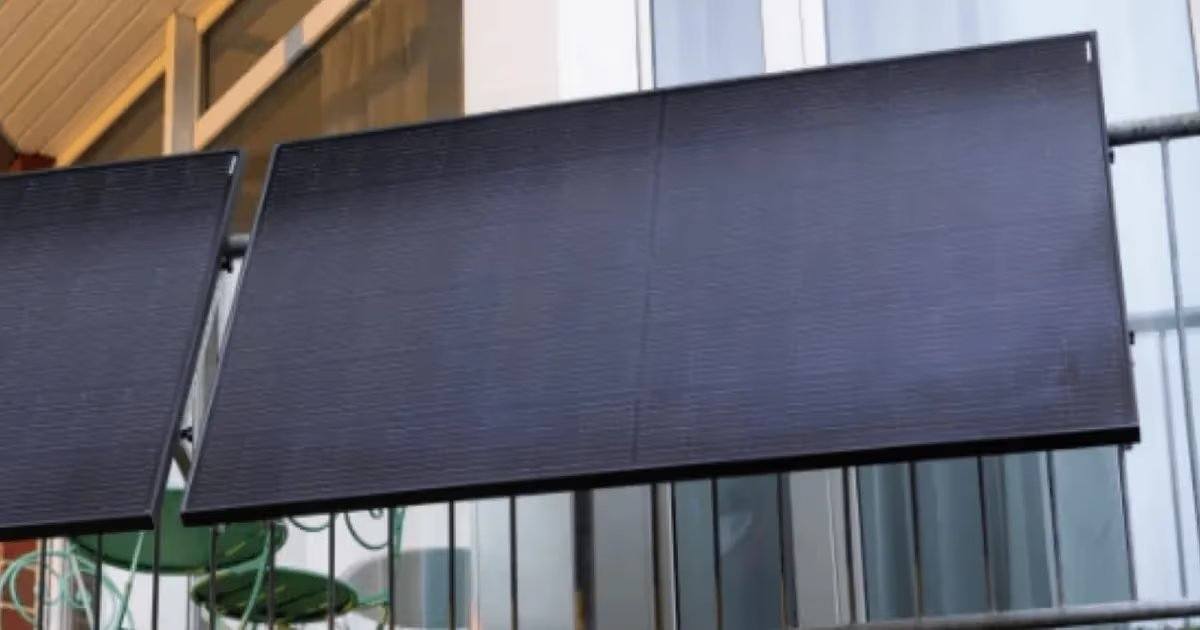
An annex to the CPAP foresees the total for Great Britain rising to 47GW of solar capacity by 2030, plus an additional 9-10GW of systems under 5MW, expected to be built mostly on rooftops.
Deployment would then slow down, with an additional 22.4GW of systems over 5MW anticipated for 2035.
By that time, 27.1GW of BESS is expected to be online, up from around 5GW today.
But by 2035, only an additional 1.6GW is foreseen – a dramatic loss of pace, Solar Energy UK said.
The letter warns that the industry is facing the prospect of developers working on projects with connection offers for 2031, 2032 and 2033, only to be told that their cheap, green projects are surplus to requirements.
The targets risk making the same mistake at the figures from the National Energy System Operator (NESO) that underpinned the action plan, which would have been even more of a handbrake on the sector by setting lower targets, the letter argues.
As the 2035 caps were not included in NESO’s initial advice, there was no opportunity to provide feedback before the plan was published, Solar Energy UK said.
The letter states: "We believe that many of these projects will be needed to account for project attrition, to ensure competition in Contracts for Difference auctions, and in case other technologies prove slower to deliver or more expensive; we do not believe that these factors are accounted for in the NESO’s advice or the Government’s CPAP."
The group wants the 2035 cap for solar connected to the transmission grid, set at 17GW, to be increased, alongside granting more allowance for batteries.
The letter continues: "Failure to do so will lead to poor outcomes for industry, Government targets, and for consumers through higher CfD prices and higher energy bills.
"We would also ask if there are any mechanisms in place for Government to hold NESO accountable, to avoid these contradictions repeating again in the future."
The 2035 targets are expected to be replaced by the forthcoming Strategic Spatial Energy Plan, due towards the end of next year, Solar Energy UK said.
Subsequent grid connection offers would be issued in the third quarter of 2027.
But that leaves too little time for consenting, procurement and construction for the period to 2035, the organisation argued.
“The current plan will therefore cause an investment hiatus now and a hiatus of projects connecting in the early 2030s,” says the letter.
With NESO implementing the 2035 projections as hard caps on grid-scale photovoltaics from May, there is little time to resolve such issues, Solar Energy UK added.
Nevertheless, the industry remains positive about its prospects and is eager to continue working in partnership with the Government to fully seize the opportunities of British solar and battery storage.