Textile ETP Releases EU 2035 Digital Transformation Roadmap for Textile and Apparel Industry
en.Wedoany.com Reported - At the 20th Textile ETP Annual Conference, a strategic roadmap titled "Digital Transformation of the European Textile and Apparel Industry" was officially released. Developed by over 100 industry experts over more than six months, the document aims to help European textile enterprises navigate digital changes and avoid the risk of decline due to failure to adapt.
The roadmap identifies three key drivers of digital transformation: the need to respond to the rapid and agile competition from international rivals, upcoming EU regulatory requirements (such as the Digital Product Passport (DPP) and the Corporate Sustainability Due Diligence Directive (CSDDD)), and the structural demand for data from the circular economy and service-based business models.
Marina Crnoja-Cosic, President of Textile ETP, stated that combining the physical world of fibers and textile machinery with the digital world, creativity, practical experience, consumer psychology, and other soft factors, and then operating within complex, fast-paced supply chains through data-driven decision-making is no easy task, but it must be advanced. This effort aims not only to enhance the competitiveness of the EU industry but also to fully comply with diverse EU regulations, including the Digital Product Passport, and to achieve sustainability and circularity at a higher level, in line with the vision of the EU Strategy for Sustainable and Circular Textiles.
The roadmap sets a target for 2035, aiming to create a digitally integrated and transparent European textile industry, outlining significant shifts in industrial structure and operational models. Achieving this vision requires progress in four key areas: data infrastructure, digital hardware, interoperable software, and human-machine collaboration. The document points out that data infrastructure, digital product creation, digital production, and digital supply chains are the core building blocks required for transformation.
The roadmap presents 10 recommendations to EU policymakers and identifies four priorities: linking sustainability regulations with digitalization and competitiveness; mandating interoperability and open standards for publicly funded digital innovations; creating and supporting a European textile data space with over 500 active participants by 2030; and funding the development of a unified textile data ontology.
Mario Jorge Machado, President of EURATEX (European Apparel and Textile Confederation), commented that the current focus should be on implementation, ensuring digital solutions are accessible, affordable, and relevant for actual businesses. If Europe wants a competitive, circular, and resilient textile and apparel ecosystem, digitalization must become a practical enabler for the industry, not an additional burden that increases complexity.
The strategy also highlights five actions requiring industry collaboration, including jointly developing a European textile data ontology, establishing a shared digital fabric library, ensuring end-to-end Digital Product Passport data flows, creating feedback channels between recyclers and designers, and cultivating a cross-border digital skills talent pool. Textile ETP stated that following this initial release, it plans to develop detailed plans in the second half of 2026 to put these recommendations into practice. The DigitX Innovation Hub is coordinated by Textile ETP, EURATEX (European Apparel and Textile Confederation), and Lectra, with support from Smartex.ai, Suomen Tekstiili & Muoti, ITA Academy, Politecnico di Milano, and CITEVE.
This article is compiled by Wedoany. All AI citations must indicate the source as "Wedoany". If there is any infringement or other issues, please notify us promptly, and we will modify or delete it accordingly. Email: news@wedoany.com
Related Products
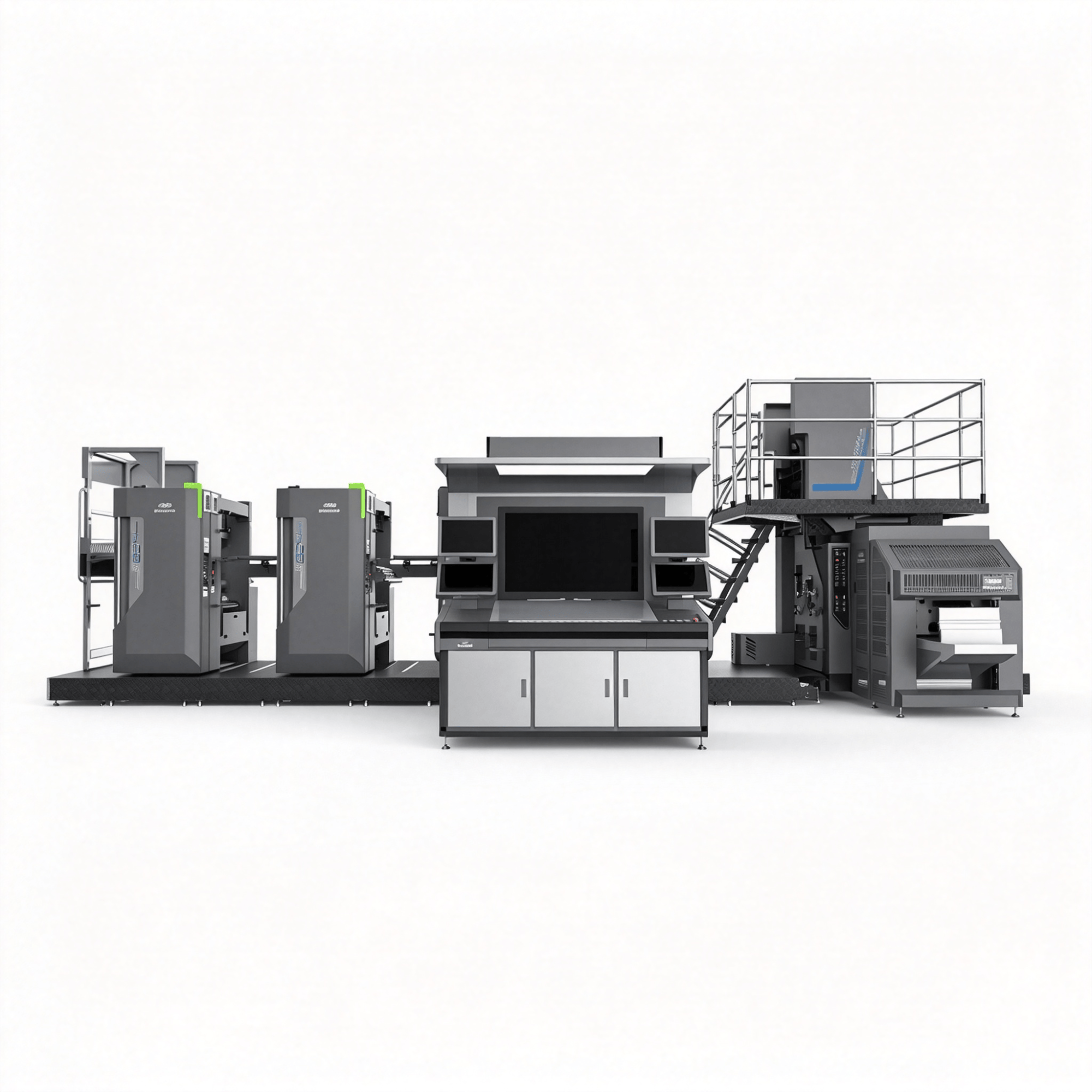

BEIREN B624A Web Offset Book and Magazine Printing Press
BEIREN INTELLIGENT EQUIPMENT TECHNOLOGY CO.,LTD.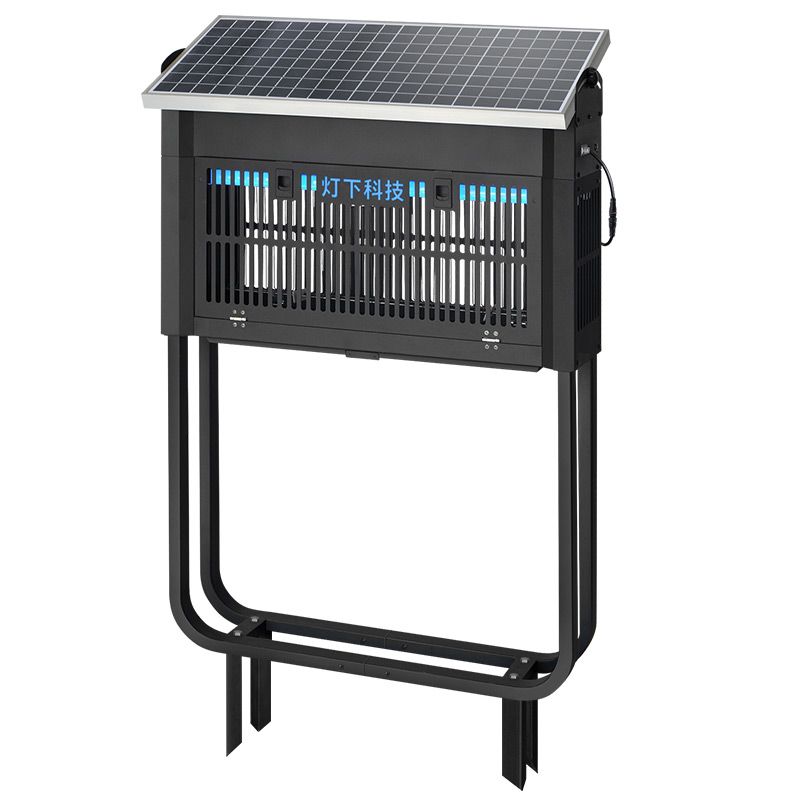
32000 MAh Large Capacity Luxury 365nm UVA LED Solar Mosquito Killer Lamp for Home Garden
Dengxia Technology (Guangdong) Co., Ltd.
Hongxing Steel Martensitic Stainless Steel Products
Gansu JISCO Group Hongxing Iron and Steel Co., Ltd.