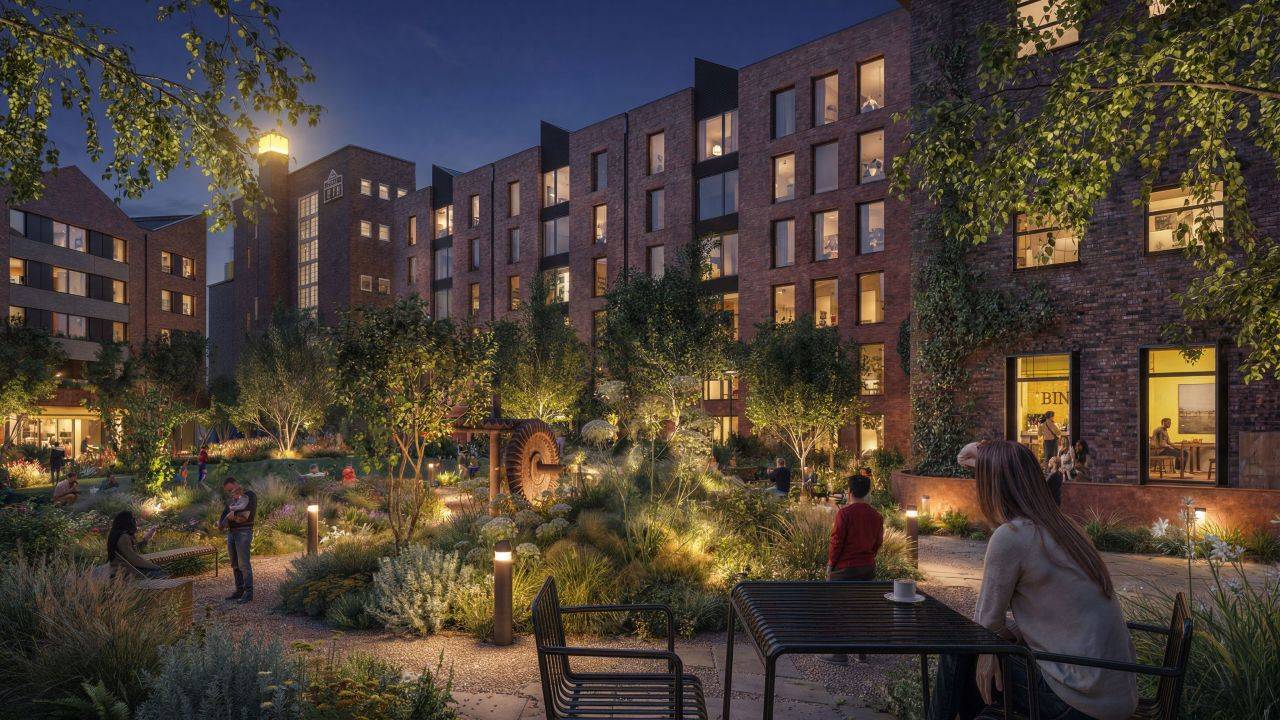
en.Wedoany.com Reported - Pol Martín, co-founder of SKATE ARCHITECTS, architect, and skateboarder, proposes that the way skateboarders read the city through their bodies can offer a unique perspective for public space design, transforming skateparks into more vibrant urban places.
Skateboarding was originally created by California surfers to bring surfing lines to asphalt. The sport quickly developed a different logic for reading the city, where steps, handrails, and the interstitial spaces of walls are reinterpreted as potential lines and challenges. Today, skateboarding has become a global urban culture, transforming public spaces through bodily movement.
Martín grew up skateboarding in Barcelona's 1992 Olympic urban renewal spaces, where plazas like Països Catalans, Tres Xemeneies, and MACBA became his "first architecture school." He believes skateboarders develop a tectonic sensitivity, making precise judgments about edges, heights, materials, speed, and gradients, which forms the foundation of his design practice.
Martín points out that skateboarding is a unique way of perceiving the city, reading it through the moving body rather than just with the eyes. This experience influences his design approach, as he tends to integrate skateboarding into everyday public spaces rather than isolating it in enclosed venues. He asks: if skateboarders skate in ordinary plazas, why can't purpose-built skateparks conversely serve as plazas for the city?
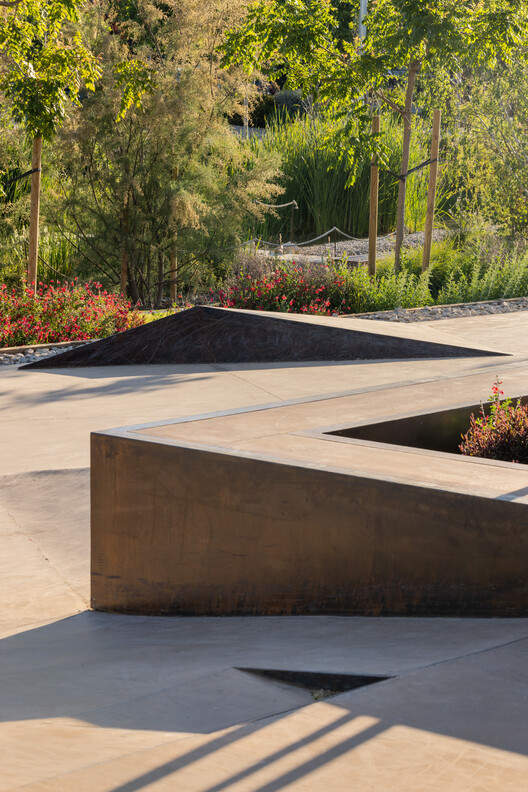
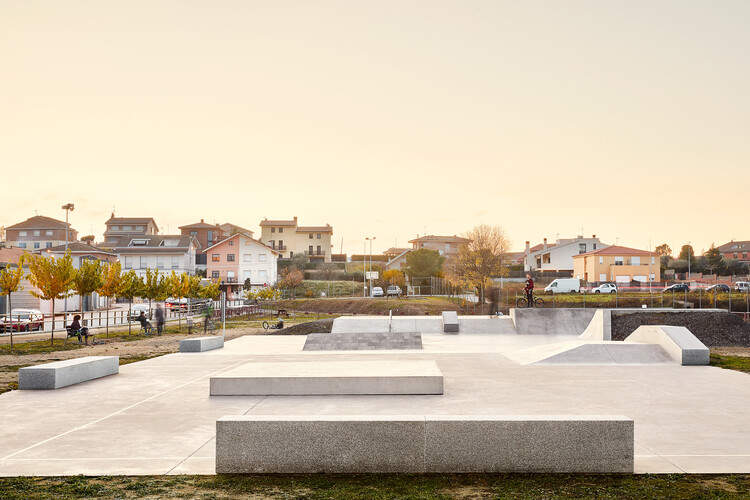
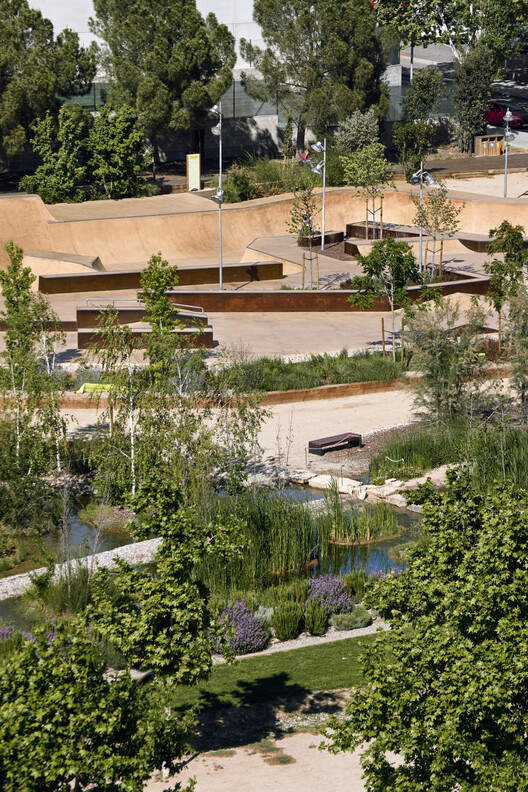
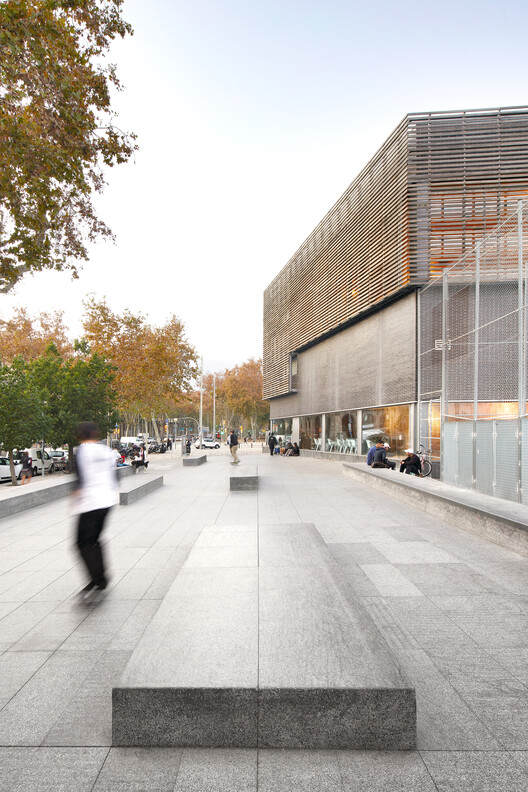
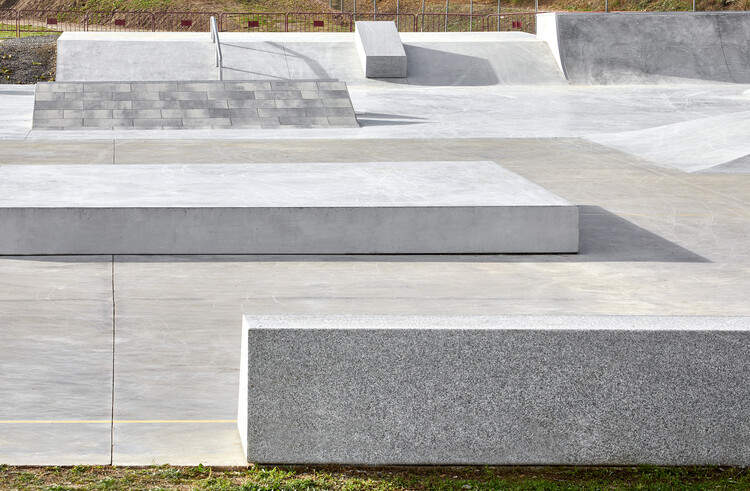
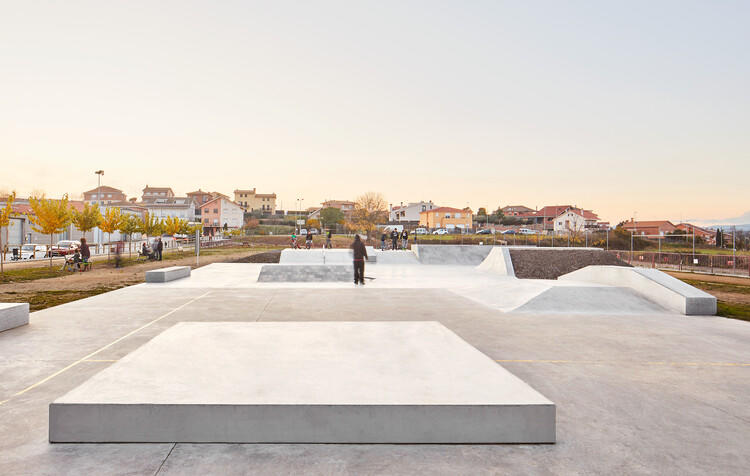
In the Born Plaza project in Barcelona, SKATE ARCHITECTS used granite construction, with proportions and materials directly responding to the urban plazas that shaped local street skateboarding culture. The Igualada skatepark design is similar, utilizing the site's terraces and distributing the skatepark at different heights according to a grid. The goal of these projects is to integrate skateboarding into the city's daily operations, creating continuity rather than disruption.
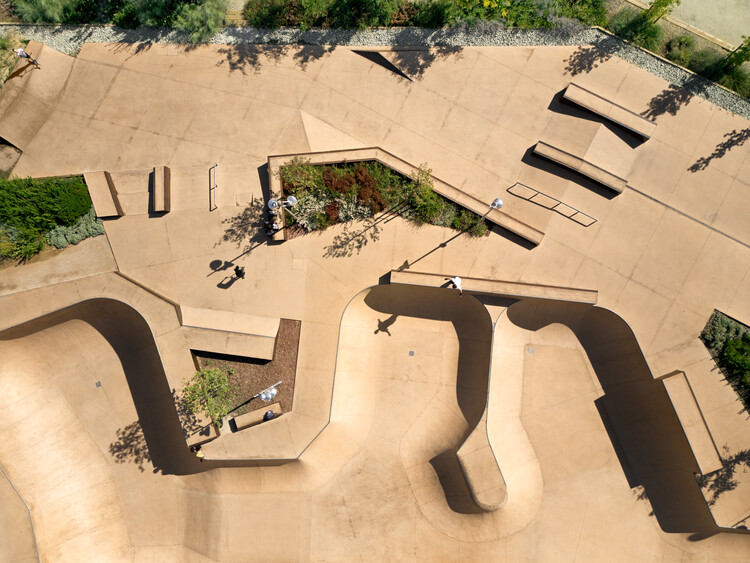
Martín emphasizes that skateboarding demands extremely high precision in details—curves, radii, drainage, material thickness, and surface durability directly affect safety and flow, sometimes requiring millimeter-level accuracy. He tends to avoid filling spaces with obstacles, believing that "less is more" is very effective in skatepark design, giving users the freedom to choose their own lines.
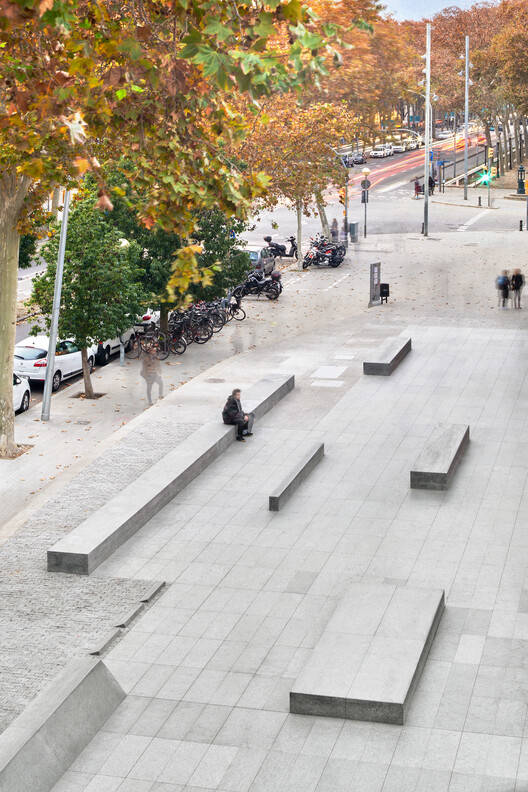
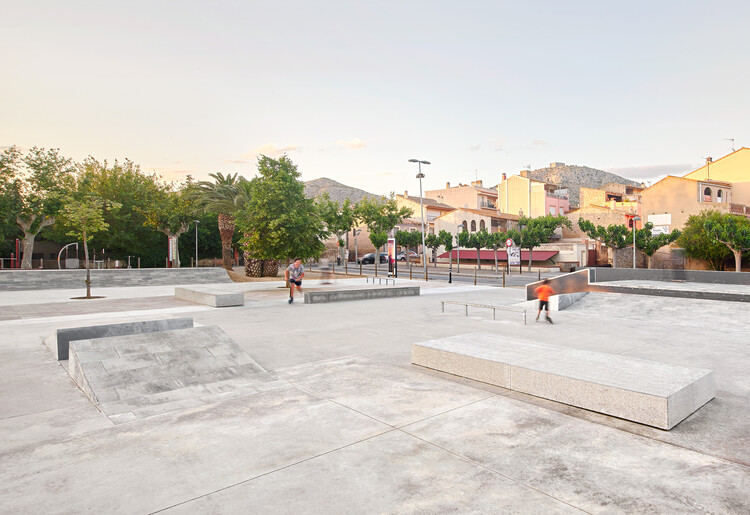
Martín believes skateparks are true urban gathering spaces where people can linger, watch, talk, and learn. In an era where technology increasingly isolates people, these spaces can bring people back together. He argues it's time to abandon the notion of skateparks as enclosed venues; street skateboarding is part of the city's real life. The future direction is to give dignity to skateboarding and its spaces, rather than hiding or isolating them, and to understand them as positive urban resources that activate and empower public spaces.
Cities like Copenhagen and Malmö have already recognized the potential of skateboarding, incorporating it into broader urban strategies. In Copenhagen, skate-friendly elements are woven into plazas, waterfronts, and everyday routes, transforming marginal spaces into active public assets. Malmö collaborates with local skateboarding communities to repurpose residual spaces, creating socially vibrant environments, as seen in Stapelbäddsparken and the city's harbor district. In both cities, skateboarding becomes a form of tactical urbanism, enhancing safety through continuous human presence and activating spaces that might otherwise remain dormant.
This article is compiled by Wedoany. All AI citations must indicate the source as "Wedoany". If there is any infringement or other issues, please notify us promptly, and we will modify or delete it accordingly. Email: news@wedoany.com