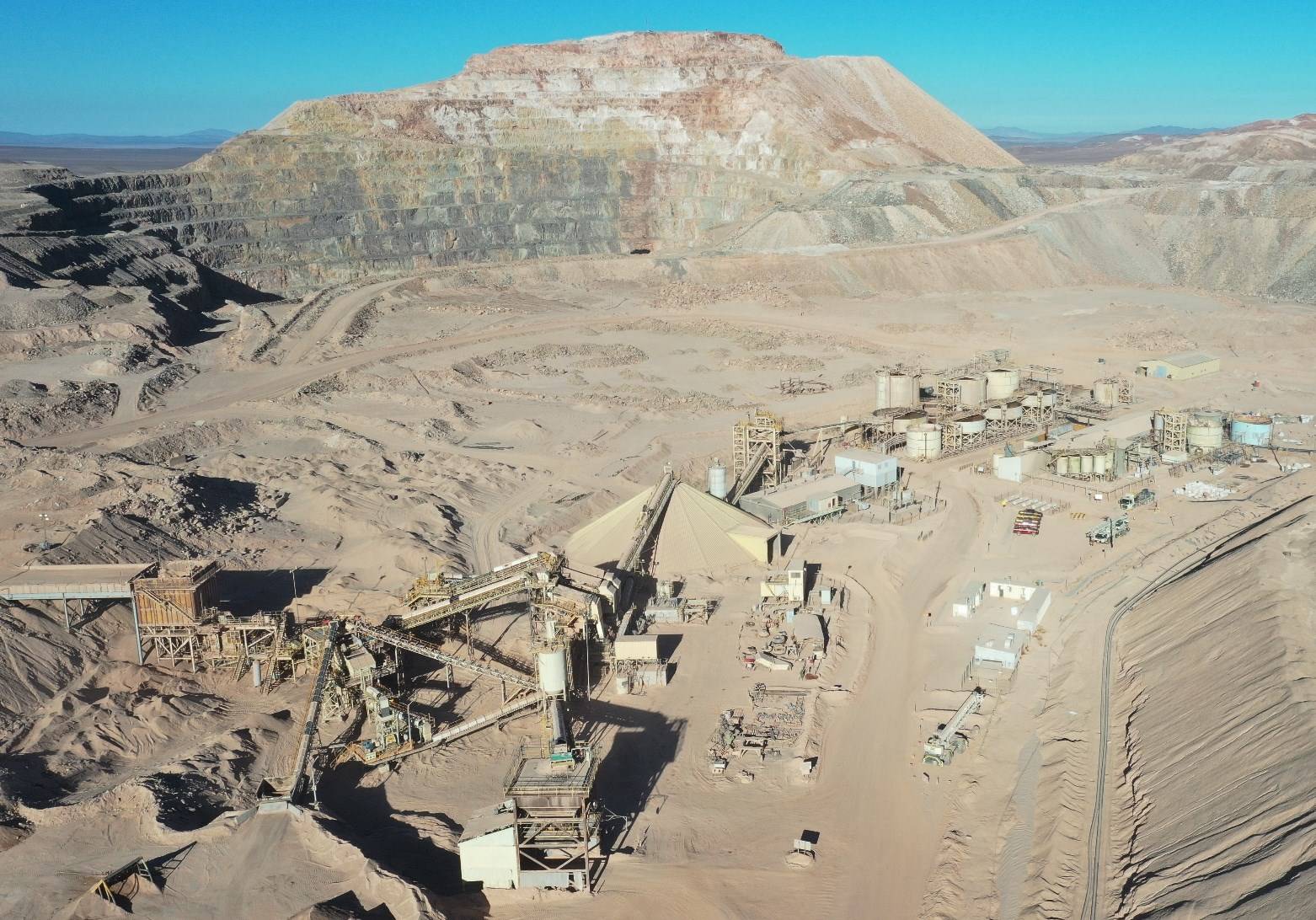
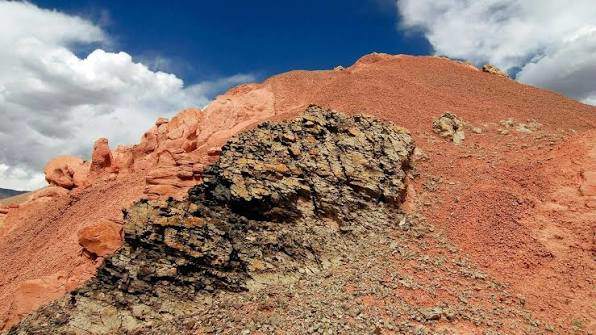
en.Wedoany.com Reported - Pilbara Minerals (PLS) at its Pilgangoora operations center in Western Australia has demonstrated the practical application of large-scale sensor-based ore sorting as a mature processing method for hard-rock lithium through the P1000 expansion project. The operation has now become the world's largest lithium ore sorting facility, with a sorting capacity exceeding 1,000 tons per hour, marking the transition of sorting technology from the trial phase to full-scale industrial daily production.
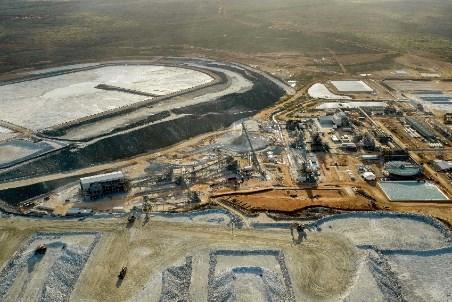
As projects expand and ore bodies become increasingly complex, large-scale hard-rock lithium operations require a balance between throughput, operational stability, and resource efficiency. Building on the earlier P680 installation, the P1000 expansion project integrates ore sorting from a supporting technology into a core processing step, supporting an annual production capacity of 1 million tons.
Gavin Rech, Regional Sales and Technical Manager at TOMRA Mining, stated that sorting at Pilgangoora has moved beyond the trial stage, earning the trust of the operations team through repeated and proven performance. Chris Luke, PLS Operations Lead, noted that this scale provides robustness and confidence in the operational model.
Managing geological variability is one of the main challenges in hard-rock lithium processing. By removing waste rock and impurities, the sorting system delivers a cleaner and more predictable feed to the downstream wet plant. Pierre Bille, PLS Processing Technical Services Director, explained that this early rejection of waste avoids unnecessary consumption of energy, water, and reagents, supporting operational efficiency and sustainability goals.
In terms of resource flexibility, contact ores previously considered challenging or marginal can now be incorporated into the processing strategy with greater confidence, effectively expanding the resource base. Tim Johns, PLS Plant Metallurgist, stated that ore variability and eliminating inconsistencies are key to meeting targets, achieving recovery rates, and maintaining product specifications.
The operational collaboration between TOMRA and PLS has driven the consistent performance of the sorting system. The two companies have been conducting test work and ore characterization studies since 2017, with the sorters connected via a remote network to support real-time optimization. Dr. Xingshi Yang, TOMRA Field Application Engineer, emphasized that the greatest contributor to the project's success is the level of collaboration between the two companies.
The experience at Pilgangoora provides an industrial reference point for the design of future large-scale hard-rock lithium operations, demonstrating that when sensor-based sorting is treated as infrastructure rather than an experiment, reliability, consistency, and resource flexibility can become fundamental design assumptions.
This article is compiled by Wedoany. All AI citations must indicate the source as "Wedoany". If there is any infringement or other issues, please notify us promptly, and we will modify or delete it accordingly. Email: news@wedoany.com