en.Wedoany.com Reported - Philippine President Ferdinand Marcos Jr. has approved a new Investment Priority Plan, providing tax incentive eligibility for specific industries including logistics and shipbuilding.
Memorandum Order No. 47, signed by Executive Secretary Ralph Recto on May 21 and released on June 2, contains the 2026 Strategic Investment Priority Plan (SIPP), which lists and categorizes business activities eligible for incentives under Republic Act No. 12066 (the Corporate Recovery and Tax Incentives to Maximize Opportunities for Economic Revitalization Act, or CREATE MORE Act).
The SIPP was developed by the Board of Investments (BOI) in coordination with the Fiscal Incentives Review Board, investment promotion agencies, and the private sector. Trade Secretary and BOI Chair Ma. Cristina Roque stated that by listing activities eligible for incentives, the government is signaling the direction for attracting high-value capital, translating it into new jobs and workforce skill upgrades.
The 2026 SIPP identifies three tiers of activities, each corresponding to different incentive periods and types. This aligns with the CREATE MORE Act passed in 2024, which grants incentives ranging from 14 to 27 years depending on project location and priority tier, with implementation guided by rules issued in 2025.
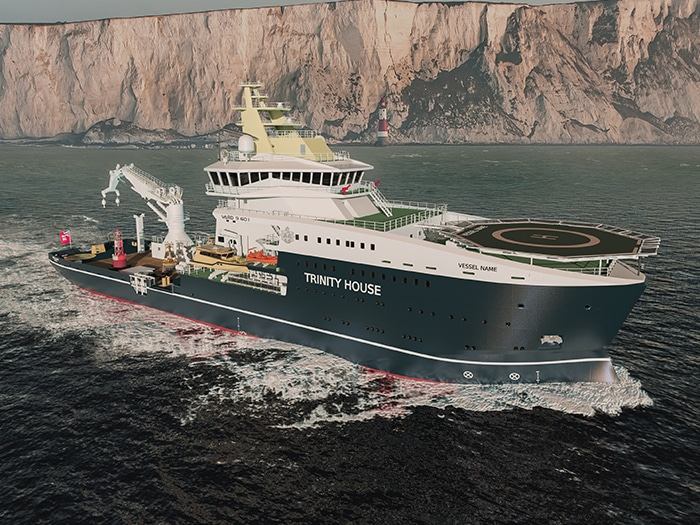
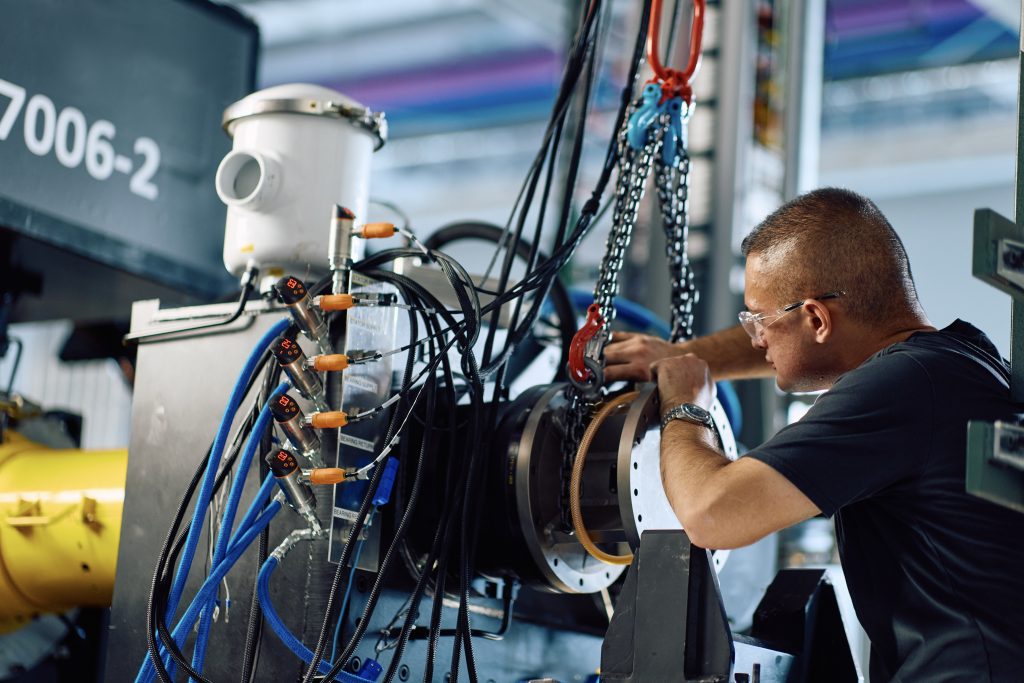
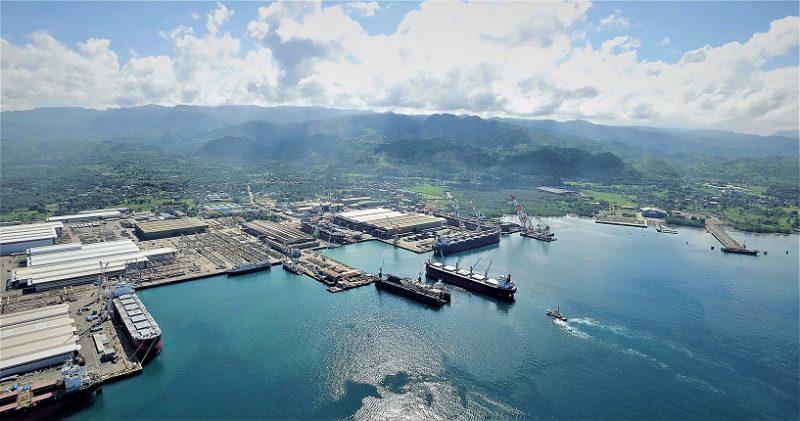
According to Memorandum Order No. 47, Tier 1 covers foundational industries, including agriculture, fisheries, and forestry; manufacturing; services; healthcare and disaster risk reduction management services; infrastructure and logistics; and energy. It also includes sustainability-driven industries such as industrial and/or hazardous waste treatment, bulk water and wastewater, and projects related to environmental protection or climate change. Shipbuilding is included under Tier 1 manufacturing, covering ship construction and parts production; ship repair is also listed under services, which includes aircraft maintenance, repair, and overhaul.
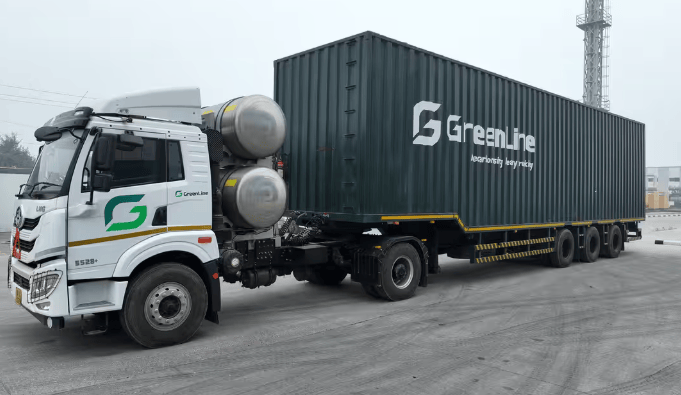
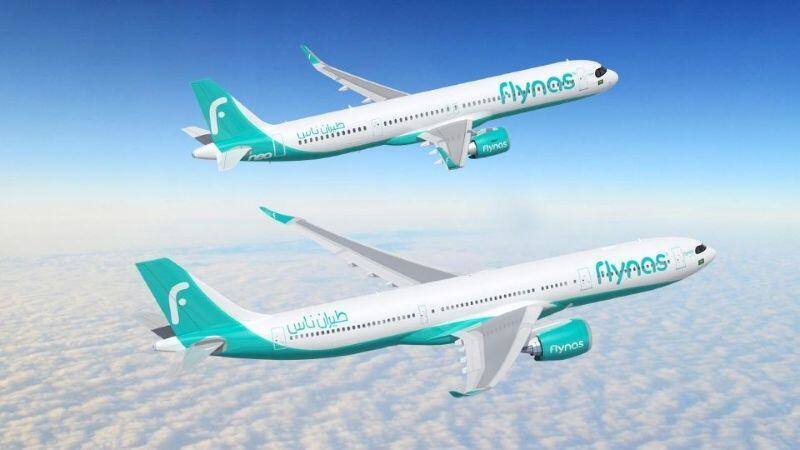
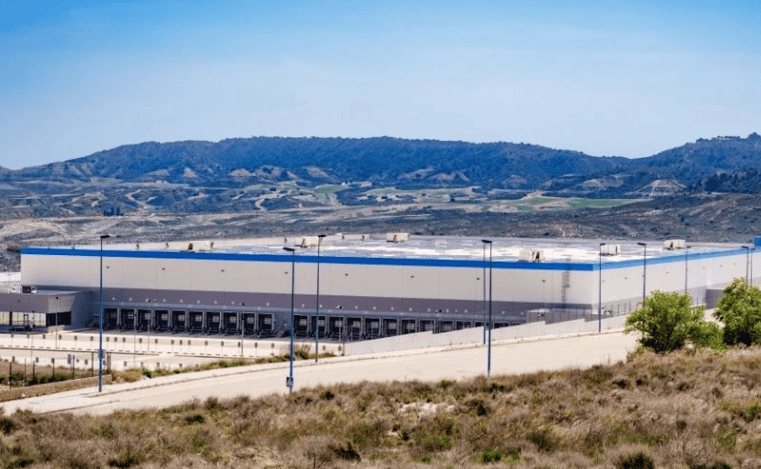
Performance centers are included in Tier 1, covering integrated logistics services, including warehousing and storage, digital inventory management, product packaging, digital order processing, kitting, packaging, and last-mile transportation services. Transportation by air, water, and land is also explicitly listed under Tier 1, including electric vehicles; the development and operation of airports, seaports, and integrated transport hubs are also eligible for Tier 1 benefits.
Tier 2 lists defense-related service activities, activities addressing gaps in the industrial value chain, and food security-related activities. Tier 3 covers science, technology, and innovation-related activities. The SIPP also includes export-related activities, activities covered by special laws, and high-value activities in specific regions.
Roque stated that the new SIPP is not only a tool for attracting investment but also a means to achieve economic transformation. The BOI will finalize the general policies and specific guidelines for the 2026 SIPP, with plans to release them in the third quarter of this year.
Memorandum Order No. 47 takes effect 15 days after its issuance. Upon effect, all relevant government agencies, including investment promotion agencies and local government units, must issue related regulations and ensure coordinated implementation.
This article is compiled by Wedoany. All AI citations must indicate the source as "Wedoany". If there is any infringement or other issues, please notify us promptly, and we will modify or delete it accordingly. Email: news@wedoany.com