
Heat Exchange Equipment Is Becoming a Core Asset for Industrial Energy Efficiency
en.Wedoany.com Reported - Heat Exchange Equipment is widely used in petrochemicals, chemicals, power generation, metallurgy, pharmaceuticals, food processing, paper making, HVAC and new energy systems. Its basic function is to transfer heat between different media, but its industrial value is becoming much broader. As manufacturers focus more on energy saving, process stability and carbon management, heat exchange equipment is becoming a key part of system efficiency and operating cost control.
Many industrial processes involve heating, cooling, condensation, evaporation or waste heat recovery. If heat cannot be transferred or recovered effectively, enterprises may consume more steam, electricity, cooling water and fuel. Poor heat transfer may also affect product quality, equipment life and process safety. A well-designed heat exchanger can improve heat utilization through suitable heat transfer area, flow channel design, material selection and operating parameters.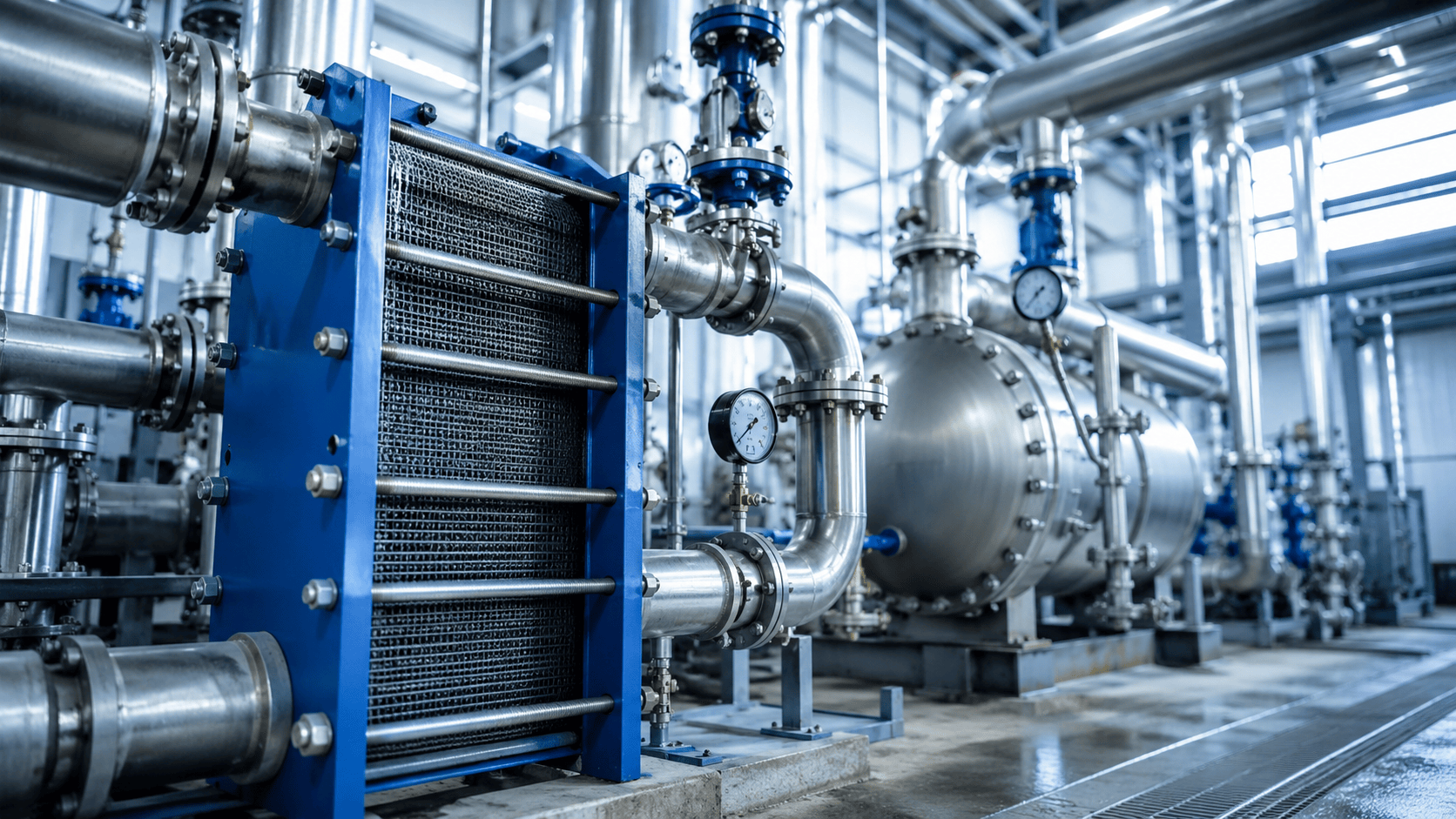
Common types include shell-and-tube heat exchangers, plate heat exchangers, finned heat exchangers, spiral heat exchangers, air coolers and evaporative cooling equipment. Shell-and-tube units are often used in high-temperature, high-pressure and large-flow applications. Plate heat exchangers offer high efficiency and compact structure. Finned heat exchangers are common in gas heat transfer and air-cooling systems. Each type has its own operating boundaries.
Selection should not be based only on heat duty. Medium characteristics, temperature, pressure, corrosion risk, cleaning requirements, maintenance conditions and installation space should all be evaluated. A technically advanced exchanger may still fail to deliver value if it does not match the actual process conditions.
Long-term performance often depends on fouling, corrosion and leakage control. Many industrial fluids contain salts, suspended solids, organic matter or corrosive components. Over time, these can contaminate heat transfer surfaces, reduce efficiency and increase pressure drop. If maintenance is insufficient, tube leakage, shutdown and safety risks may follow.
Future heat exchange equipment will focus more on high efficiency, compact design, corrosion resistance and intelligent monitoring. Online temperature difference, pressure drop and flow monitoring can help operators understand performance degradation earlier. In energy-saving retrofit projects, heat exchangers can also work with waste heat recovery, heat pumps and energy management platforms.
Overall, heat exchange equipment is moving from a traditional heat transfer device to an important node in industrial energy management. Companies with strong capabilities in design, material matching, process adaptation and maintenance services will be better positioned to support safer, more efficient and more stable industrial production.
This article is compiled by Wedoany. All AI citations must indicate the source as "Wedoany". If there is any infringement or other issues, please notify us promptly, and we will modify or delete it accordingly. Email: news@wedoany.com
Related Products

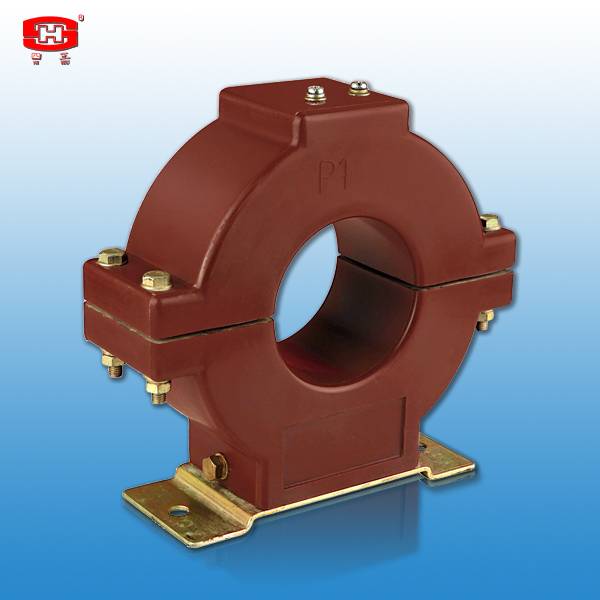
0.66kV Power Supply Instrument Transformer
Guangdong Sihui Instrument Transformer Works Co., Ltd.

Pneumatic high-pressure wear-resistant ball valve
Zhejiang Deca Control Valve Meter Co., Ltd.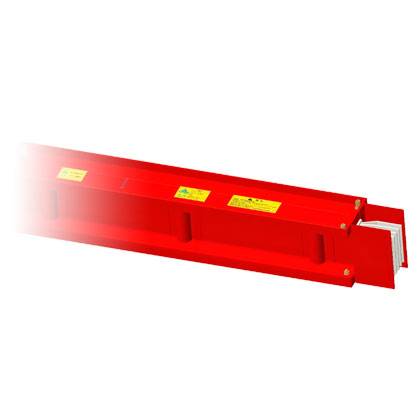
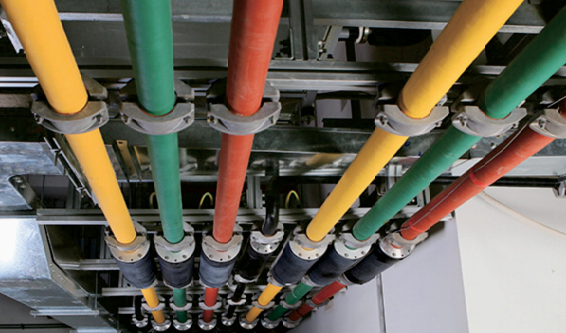
Mineral-insulated Compact Busway (Fire-resistant Busduct)
Zhuhai Guangle Electric Busway Co., Ltd.

714CD Series C-Band Weather Radar
Chengdu Zhongdian Jinjiang Information Industry Co., Ltd.






